
Posted on

Common Aircon Ducting Issues and How to Solve Them

Air conditioning systems are vital for keeping our offices and commercial spaces cool and comfortable, especially when the summer heat is at its peak. However, many people don’t realise that the effectiveness of these systems hinges on the condition of their aircon ducting. When your ducting isn’t up to par, you might find yourself dealing with poor performance, skyrocketing energy bills, and rooms that just won’t stay cool. In this blog, we’ll dive into the most common aircon ducting issues and share some practical tips to troubleshoot and solve them.

Leaky Ducts

Leaky ducts are one of the most common culprits behind inefficient air conditioning. Have you ever noticed uneven cooling in different rooms, a sudden spike in your energy bills, or even heard a faint hissing sound coming from your ducts? These could all be signs of leaks in your aircon ducting.

Identification

Visual Inspection: Start by looking for visible cracks or holes in the ductwork, especially around joints and seams.

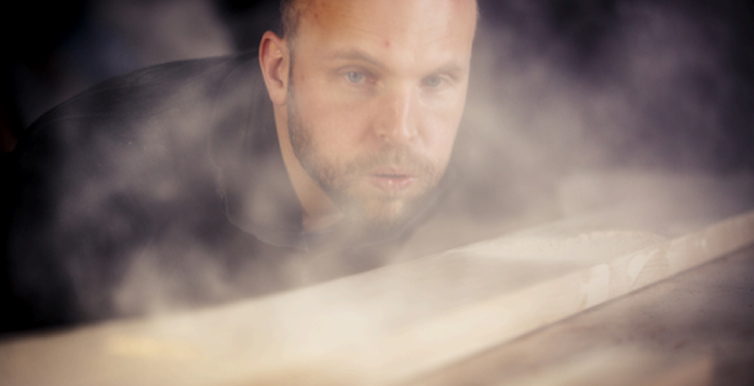
Smoke Test: Introduce a small amount of smoke into the duct system and see if it escapes from any spots. This can help you pinpoint the exact location of leaks.

Duct Leakage Tester: For a precise measurement, consider using a duct leakage tester, which pressurises the system and measures air loss.

Solutions

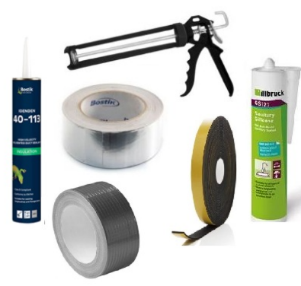
DIY Repairs: For small leaks, mastic sealant or metal tape can work wonders. Just make sure the surface is clean before you apply them. Mastic sealant is a thick paste that provides a durable seal, while metal tape is great for a quick fix.

Professional Repairs: If your ductwork has extensive leaks, it’s time to call in the experts. They have the tools and expertise to replace damaged sections and restore your system’s efficiency.

Poor Insulation

Insufficient insulation can lead to temperature loss, condensation on ducts, and those dreaded high energy bills. If your ductwork runs through unconditioned spaces like loft spaces or basements, this is a common issue.

Identification

Visual Inspection: Check for damaged or inadequate insulation. Look for signs like tearing, compression, or missing insulation.

Temperature Test: Compare the temperature of the air coming out of the vents to the air entering the ducts. A significant difference usually means poor insulation.

Solutions

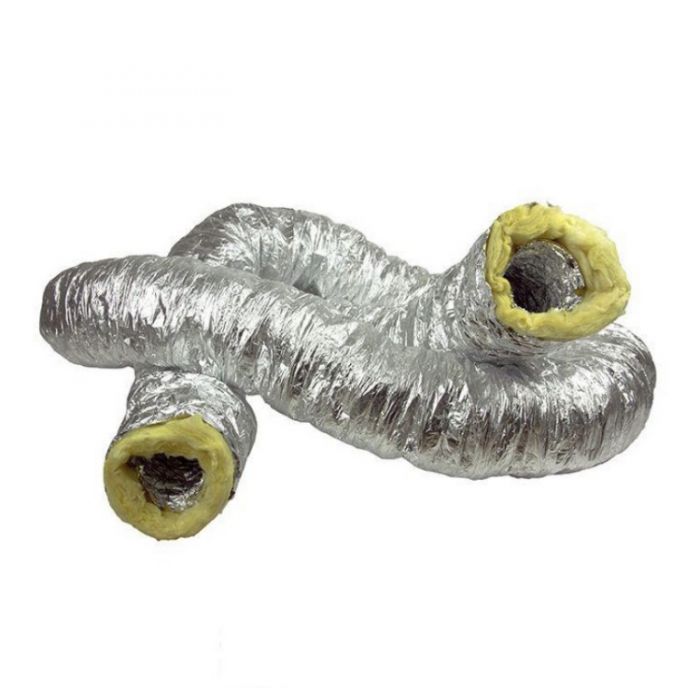
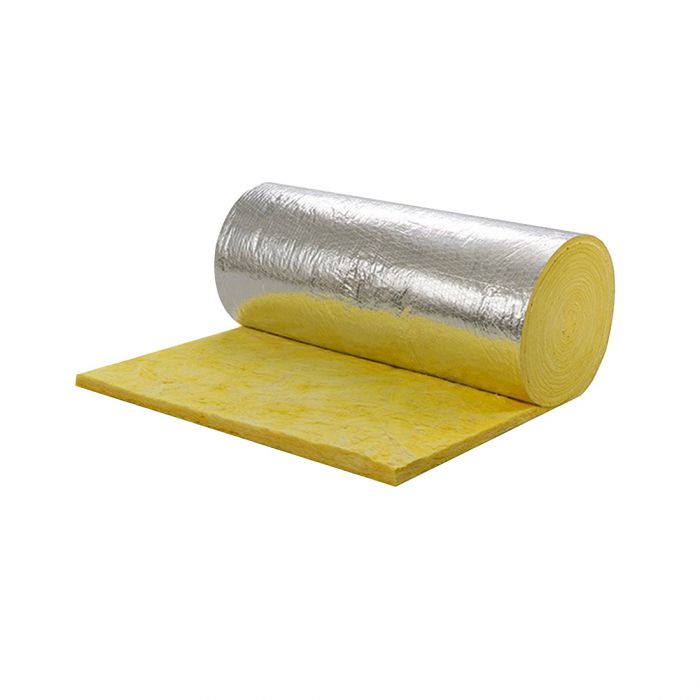
Improving Insulation: Adding or replacing insulation around your ducts can make a big difference. Materials like fiberglass or foam insulation are excellent choices. Be sure to cover all seams and joints thoroughly.

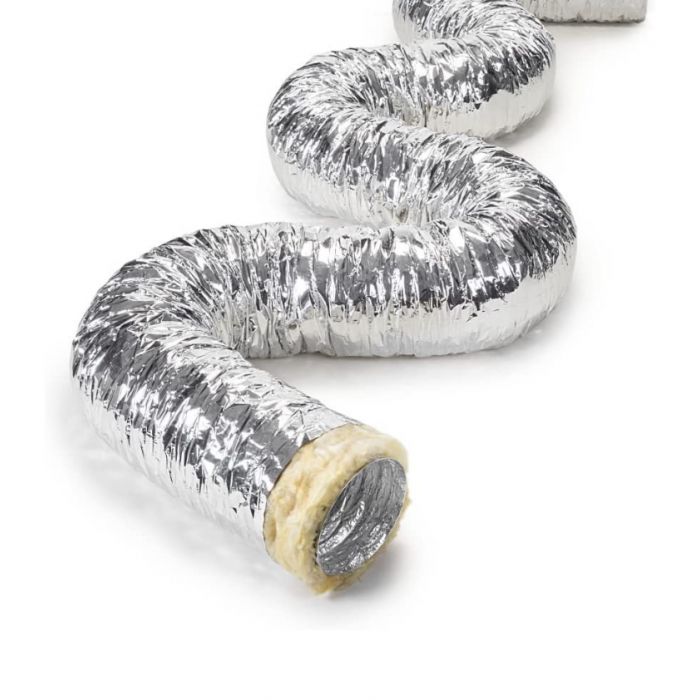
Upgrading Insulation: Consider upgrading to reflective foil insulation for even better thermal performance and durability.

Blockages and Obstructions

Blockages in your aircon ducting can severely reduce airflow, cause unusual noises, and lead to uneven cooling throughout your home.

Identification

Visual Inspection: Look inside your ducts for debris, dust buildup, or any physical obstructions. You might need a flashlight for this task.

Airflow Test: Use an airflow meter to measure the airflow from each vent. Reduced airflow from certain vents can indicate a blockage.

Solutions

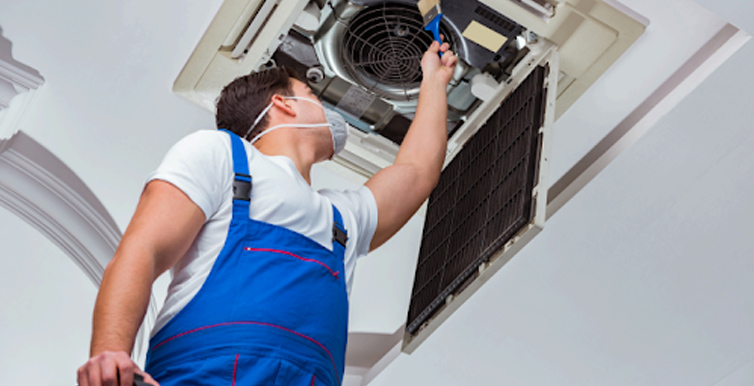
Cleaning: Regular cleaning is key. Use a vacuum hose to clear out debris, or hire professional duct cleaning services for a thorough job.

Rearranging: Ensure that your vents and registers are not blocked by furniture or other objects. Rearrange furniture if necessary to allow free airflow.

Inadequate Duct Design

Poorly designed ductwork can result in persistent hot or cold spots, high energy bills, and noisy operation.

Identification

Evaluate Layout: Take a close look at your ductwork layout. Are there excessively long runs, sharp bends, or ducts that seem too small for your system’s capacity? Rectangular ducting is often used, but if it’s improperly sized or laid out, it can cause significant issues.

Professional Assessment: A professional HVAC technician can evaluate your

duct design and recommend improvements.

Solutions

Redesigning Ductwork: Work with a professional to redesign and optimise your ductwork. This might involve resizing ducts, adding vents, or rerouting existing ducts to ensure balanced airflow. Properly designed rectangular ducting ensures efficient airflow and consistent temperatures throughout your home.

Zoning Systems: Consider installing a zoning system with multiple thermostats and dampers. This system allows you to control airflow to different areas, effectively addressing hot and cold spots.

Unbalanced Airflow

Unbalanced airflow can make some rooms too hot while others remain too cold, creating an inconsistent and uncomfortable environment.

Identification

Airflow Meters: Measure the output from each vent using airflow meters. Significant differences indicate an imbalance.

Temperature Test: Check the temperature in various rooms and compare. Uneven temperatures suggest unbalanced airflow.

Solutions

Balancing Dampers: Adjust dampers within the duct system to control airflow to different areas. Installing additional dampers might be necessary for better control.

Regular Maintenance: Keep your system in top shape with regular maintenance. This includes checking and adjusting dampers, cleaning ducts, and inspecting the system for any issues.

Ageing Ductwork

Over time, ductwork can deteriorate, leading to frequent repairs, reduced efficiency, and poor indoor air quality.

Identification

Visual Inspection: Look for signs of ageing, such as rust, corrosion, or collapsing sections. Loose or disconnected joints are also common in older systems.

Performance Test: Keep an eye on your HVAC system’s performance. Higher energy bills, frequent repairs, and reduced comfort levels are red flags.

Solutions

Replacement: Replace old ductwork with new, energy-efficient materials. This can significantly improve performance and longevity.

Upgrading Systems: Modern HVAC systems often come with advanced ducting solutions. Upgrading to a high-efficiency system can provide better insulation, improved airflow, and enhanced indoor air quality.

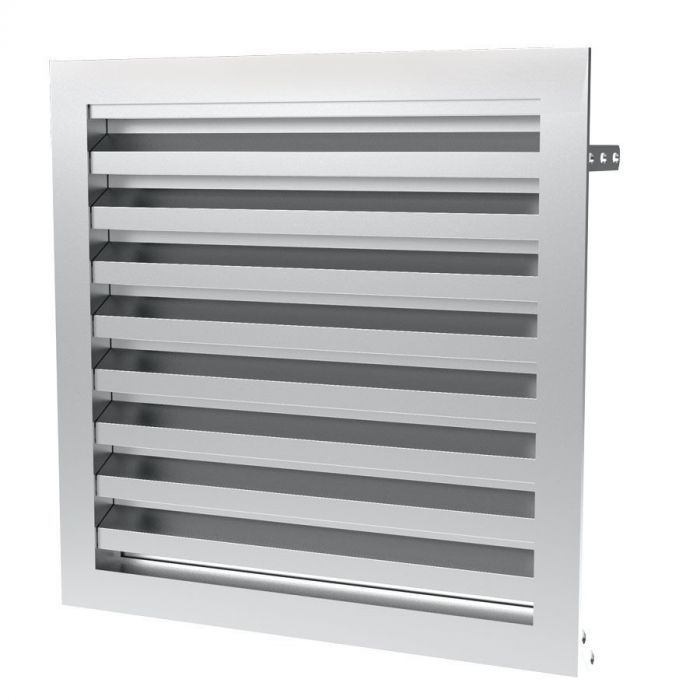
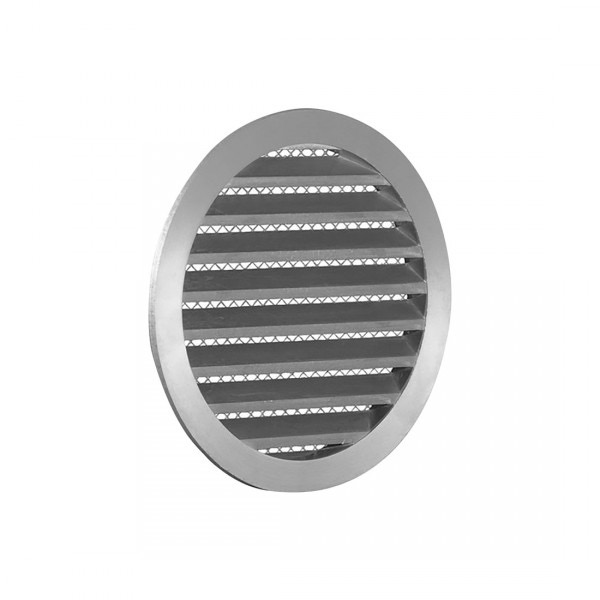
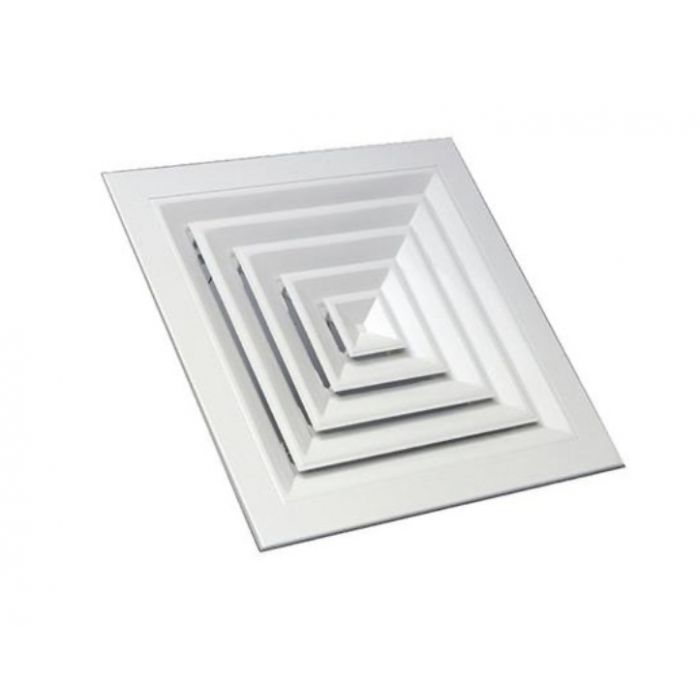
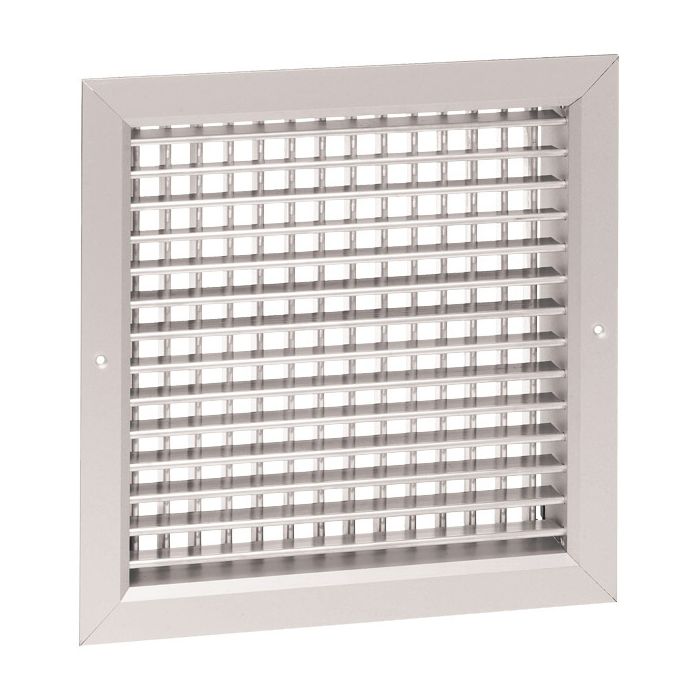
Issues with Grilles and Louvres

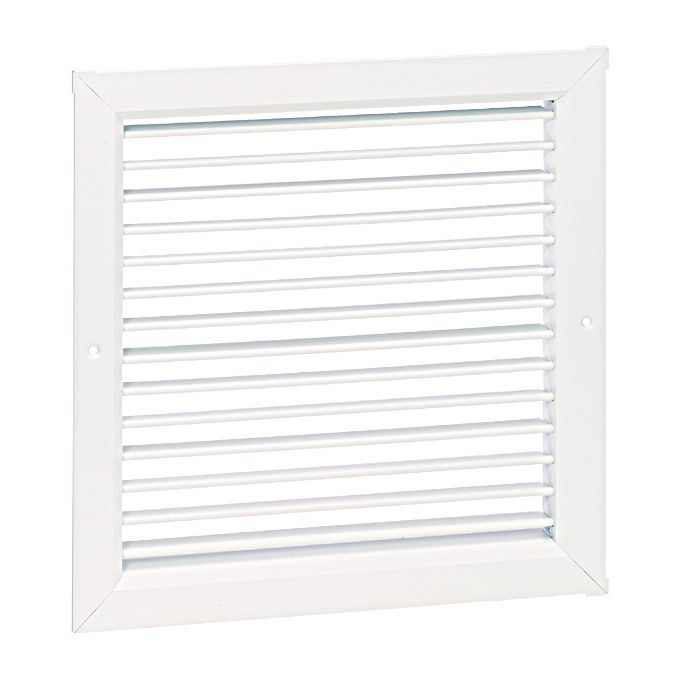
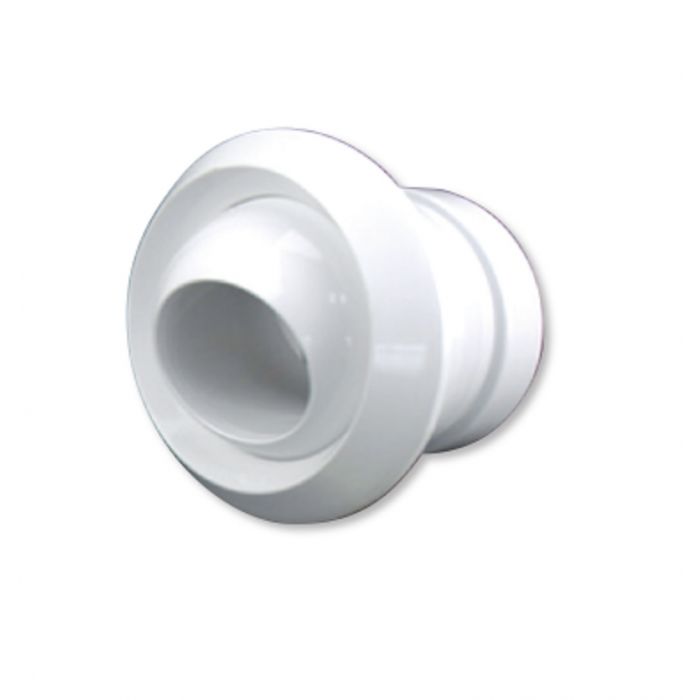
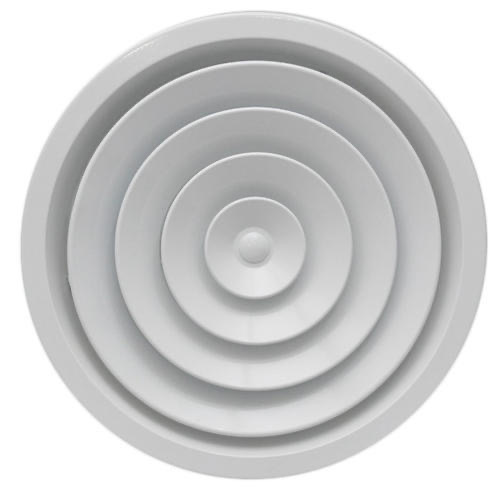
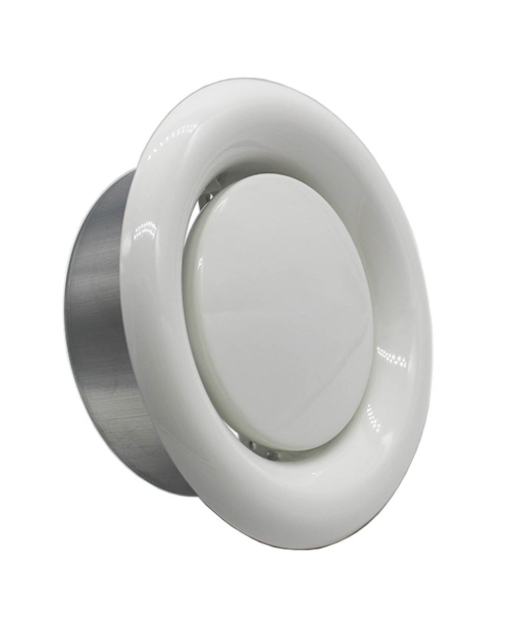
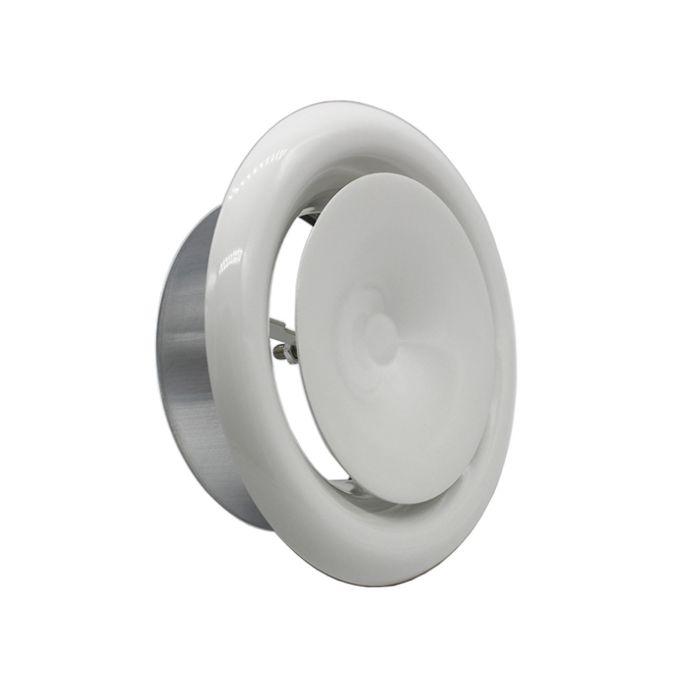
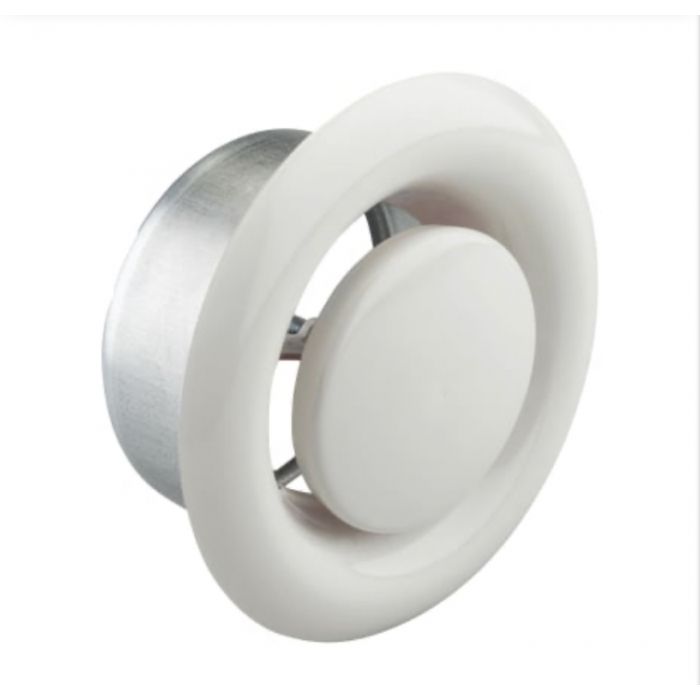
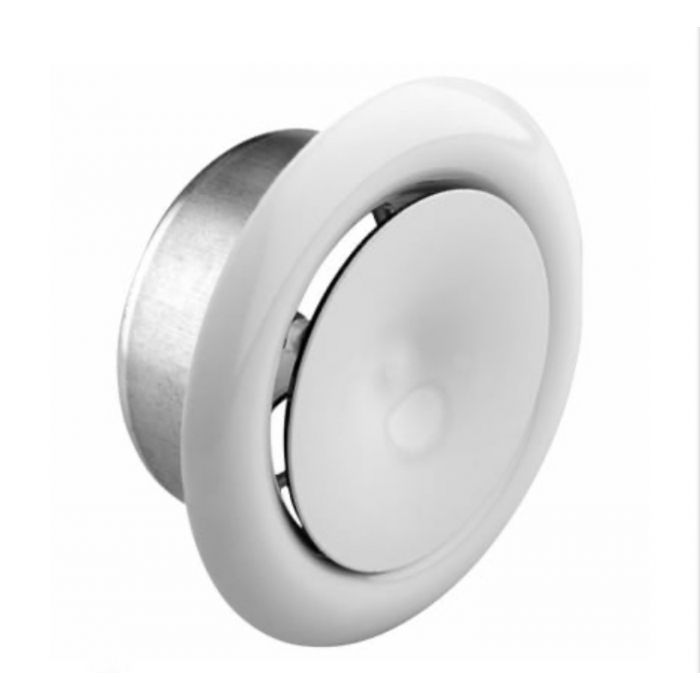
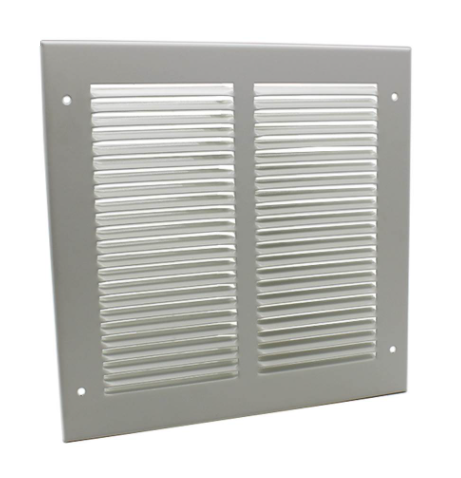
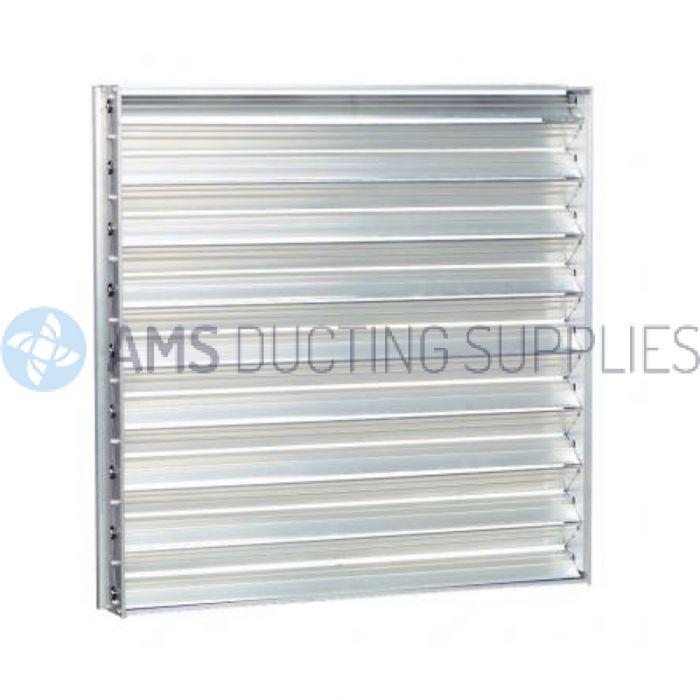
Grilles and louvres play a crucial role in regulating airflow and maintaining indoor air quality. Damaged or improperly installed grilles and louvres can lead to uneven cooling, poor airflow, and increased dust and debris in your home.

Identification

Visual Inspection: Check for any visible damage, such as cracks, bent fins, or loose fittings. Ensure that grilles and louvres are clean and unobstructed.

Airflow Test: Measure the airflow through each grille and louvre to ensure they are allowing proper air passage.

Solutions

Cleaning and Maintenance: Clean grilles and louvres regularly to prevent dust and debris buildup. Use a vacuum or a damp cloth to wipe them down.

Repair or Replacement: If grilles or louvres are damaged, replace them with new ones to ensure efficient airflow. Properly installed and maintained grilles and louvres help keep your HVAC system running smoothly.

HVAC Ducting at AMS  Ducting Supplies

Ensuring your aircon ducting system operates smoothly is crucial for maintaining a comfortable and productive environment in your workplace. By addressing common issues such as leaks, poor insulation, and unbalanced airflow, you not only improve energy efficiency but also enhance employee satisfaction and productivity.

For expert advice and quality ducting solutions, give us a call. Our extensive range of products includes rectangular ducting, grilles, louvres, and everything you need to optimise your air conditioning system. 

Our impressive 11,000-square-foot in-house manufacturing facility, centrally located in the East Midlands, enables us to deliver high-quality ventilation, extraction, and input systems efficiently. We pride ourselves on quick turnaround times and competitive pricing without compromising on quality.
Posted on

Ducting Solutions for Dust Control Systems in Industrial Manufacturing

In the bustling world of industrial manufacturing, dust control is not just a matter of cleanliness—it’s a critical component of maintaining a safe and efficient work environment. Dust can pose serious health risks to workers, interfere with machinery, and compromise product quality. 

As a factory manager, understanding the intricacies of effective dust control systems is essential. This guide will walk you through the essentials of ducting solutions for dust control, helping you make informed decisions for your facility.

The Importance of Dust Control

Dust control systems are designed to capture, convey, and collect dust particles generated during manufacturing processes. These systems are vital for several reasons:

Dust particles can pose significant health and safety risks. Inhaling dust can cause respiratory issues like asthma and more severe conditions, while dust on floors can make surfaces slippery, increasing the risk of falls and injuries. Maintaining a clean, dust-free environment is essential for everyone’s safety.

Compliance with regulations is another crucial aspect of dust control. Organisations like OSHA have strict guidelines on permissible dust levels to protect workers’ health. Failing to meet these standards can result in fines and legal trouble. Adhering to these regulations is vital to avoid penalties and ensure your worker’s safety.

Dust also massively impacts the lifespan of your equipment. When dust infiltrates machinery, it can clog parts and cause frequent breakdowns, leading to higher maintenance costs and more downtime. Effective dust management helps extend the life of machines and reduces repair expenses.

Finally, dust can compromise product quality. In many industries, even a small amount of dust can contaminate finished products, leading to defects and rework. This not only wastes time and materials but also affects customer satisfaction. Proper dust control ensures products meet quality standards and keeps customers happy.

Key Components of Dust Control Systems

A typical dust control system comprises the following components:

Capture Hood: Positioned at the source of dust generation to capture dust particles.

Ducting: Conveys the captured dust to the dust collector.

Dust Collector: Filters and collects dust from the air.

Fan/Blower: Provides the necessary airflow to move dust through the system.

Discharge System: Disposes of the collected dust.

Selecting the Right Ducting for Your Dust Control System

Choosing the right ducting is crucial for the efficiency and effectiveness of your dust control system. Here are the factors to consider:

Material

Galvanised Steel Ducting: Durable and cost-effective for most industrial applications.

Stainless Steel Ducting: Ideal for high-temperature environments or processes involving corrosive materials.

PVC Ducting: Lightweight and easy to install but limited to low-temperature and low-abrasion applications.

Flexible Ducting: Offers versatility for connecting machinery but is typically less durable than rigid options.

Diameter

The diameter of your ducting should be matched to the volume of dust and airflow required. Undersized ducting can lead to clogs and reduced efficiency, while oversized ducting can result in unnecessary costs and space usage.

Configuration

Straight Runs: Minimise airflow resistance.

Elbows and Bends: Necessary for navigating around obstacles but should be minimised to reduce pressure drops.

Branch Lines: Ensure they are properly balanced to maintain consistent airflow throughout the system.

Sealing and Joints

Proper sealing is essential to prevent leaks, which can reduce the system’s efficiency and pose health risks. Use high-quality gaskets and clamps to secure joints.

Best Practices for Installation

Plan Your Layout: Design your ducting layout to be as direct as possible. Avoid sharp bends and abrupt changes in direction.

Support and Bracing: Properly support ducting to prevent sagging and ensure stability.

Regular Inspections: Periodically check for leaks, wear, and blockages. Perform maintenance as needed to keep the system running smoothly.

Adaptability: Ensure your ducting system is adaptable to changes in your manufacturing process. Flexible sections and modular designs can help accommodate future modifications.

Innovative Solutions and Technologies

Advancements in ducting technologies can enhance the performance of dust control systems:

Smart Sensors: Monitor airflow and particulate levels in real time, allowing for proactive maintenance and adjustments.

Automatic Blast Gates: Optimise airflow by automatically opening and closing ducts based on the operational status of machinery.

Aerodynamic Design: Improved duct designs reduce turbulence and increase efficiency.

Dust Control with AMS Ducting

Effective dust control in industrial manufacturing is a multifaceted challenge that requires a well-designed ducting system. By selecting the right materials, diameters, and configurations and by adhering to best practices for installation and maintenance, you can ensure a safer, more efficient, and compliant manufacturing environment.

At AMS Ducting Supplies, we offer a comprehensive range of ducting solutions specifically designed for dust control in industrial manufacturing. Our products are built to last, ensuring that your dust control system operates efficiently and effectively.

We are here to help you find the best ducting solutions for your dust control needs. Whether you have questions about our products, need a custom solution, or want to discuss your specific requirements, our team is ready to assist you. Give us a call at 0116 2787676 today.

Posted on

Choosing the Right Temporary Ducting for Construction Projects

We know, better than most, that in construction, effective air management is crucial for maintaining a safe, comfortable, and productive work environment. Temporary ducting plays an important role in this process, helping ventilation, temperature control, and air quality management on construction sites.

Whether you’re overseeing a small renovation or a large-scale building project, we are here to help you to select the right temporary ducting which we know can significantly impact your project’s success, worker safety, and overall efficiency.

Types of Temporary Ducting

Working in construction, you know how vital it is to choose the right ducting for each project. To help you make the best temporary ducting choice, we offer a range of solutions—Flexible, Plastic, and Aluminium. Each type is tailored to different needs, from quick and easy setups to more durable solutions for challenging environments. Read on to find out the benefits of  each option to find the perfect fit for your project’s needs.

Flexible Ducting

Flexible ducting is a versatile solution. It’s ideal for short-term projects where you need to frequently reposition your ventilation system, such as in confined spaces or for dust and fume extraction during renovations. 

The lightweight nature of this ducting makes it incredibly easy to handle and install, saving you valuable time and labour costs. Its high flexibility allows you to navigate around obstacles with ease, making it perfect for complex site layouts. We offer a range of diameters to suit various airflow requirements, ensuring you can find the perfect fit for your project.


Applications:

– Short-term projects requiring frequent repositioning

– Temporary ventilation in confined spaces

– Dust and fume extraction in renovation work


Advantages:

– Lightweight and easy to handle, reducing installation time and labour costs

– Highly flexible, allowing for easy manoeuvring around obstacles

– Cost-effective solution for short-term needs

– Available in various diameters to suit different airflow requirements


Considerations:

– Less durable than rigid options, may require replacement in longer projects

– Can be prone to kinking or collapsing under high pressure

– May not be suitable for extreme temperature environments

While it’s an excellent cost-effective solution for short-term needs, do keep in mind that it may not be the best choice for extreme temperature environments or situations with high-pressure airflow.

Our products offer the versatility and ease of use you need for your short-term construction projects.

Plastic Ducting

For medium to long-term construction projects, especially in challenging environments, plastic ducting, is an excellent choice. This solution stands up well to harsh weather conditions and offers excellent chemical resistance, making it ideal for extended use on construction sites.

One of the key advantages of polyethylene ducting is its durability. It withstands wear and tear from prolonged use, maintaining its shape to ensure consistent airflow throughout your project. We can even custom-fabricate polyethylene ducting to meet your specific project needs, offering a tailored solution for your unique requirements.


Applications:

– Extended construction projects in challenging environments

– Sites exposed to harsh weather conditions

– Areas requiring chemical resistance


Advantages:

– Highly durable, withstanding wear and tear from prolonged use

– Excellent resistance to moisture, chemicals, and UV radiation

– Maintains shape well, ensuring consistent airflow

– Can be custom-fabricated to meet specific project needs


Considerations:

– Heavier than PVC, potentially requiring additional support structures

– Higher initial cost compared to flexible PVC options

– Less flexibility, making installation in tight spaces more challenging

These products offer the robustness and reliability you need for your medium to long-term construction projects, ensuring consistent performance in challenging environments.

Aluminium Ducting

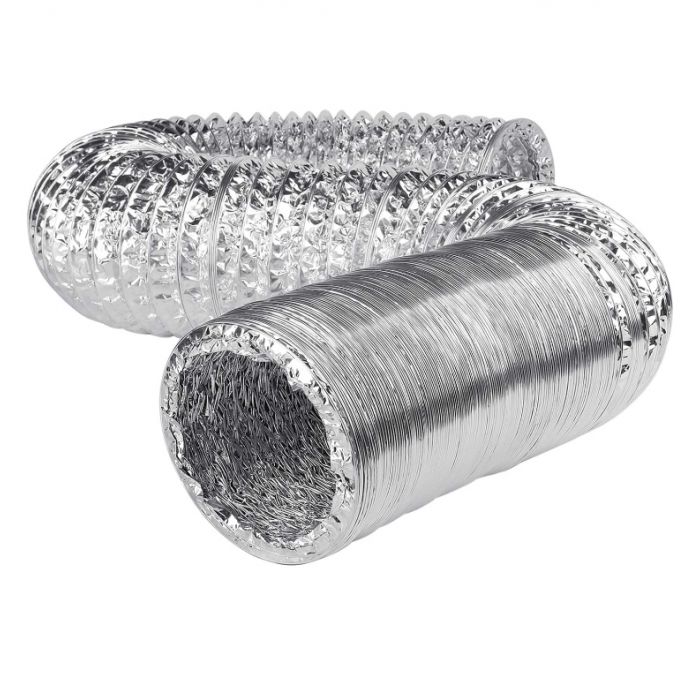
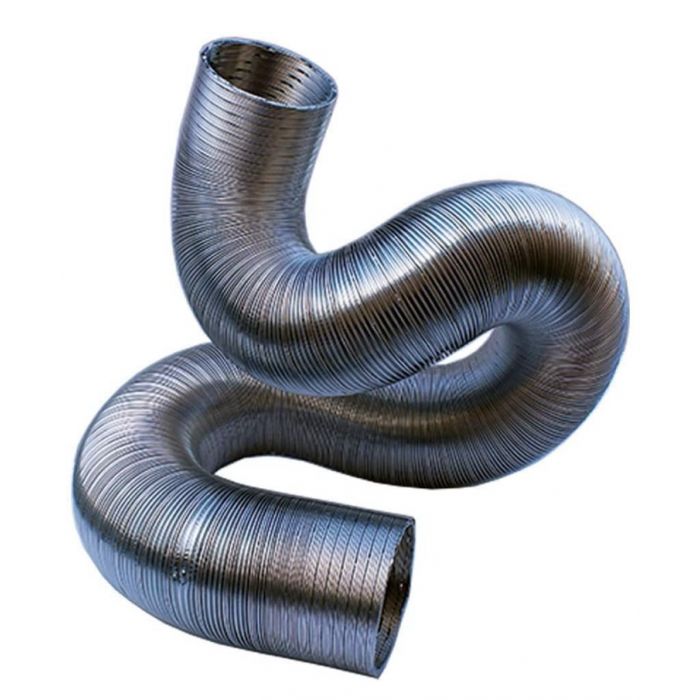
Aluminium ducting offers an excellent balance of durability and flexibility, making it a popular choice for a wide range of construction applications. It’s particularly well-suited for HVAC systems, temporary climate control in large open spaces, and environments where fire-resistant ducting solutions are required.

The standout features of aluminium ducting include its excellent heat resistance and fire safety properties. It’s lightweight yet durable, offering ease of installation without compromising on longevity. The smooth interior surface of aluminium ducting reduces air resistance, improving overall efficiency of your ventilation system. Plus, it’s easy to clean and maintain, making it ideal for repeated use across multiple projects.


Applications:

– HVAC systems in ongoing construction projects

– Temporary climate control in large open spaces

– Environments requiring fire-resistant ducting solutions


Advantages:

– Excellent heat resistance and fire safety properties

– Lightweight yet durable, offering ease of installation and longevity

– Smooth interior surface reduces air resistance and improves efficiency

– Can be easily cleaned and maintained for repeated use


Considerations:

– More expensive than PVC options

– Less flexible than soft ducting materials

– May require specialised connectors or fittings


While it may be more expensive than PVC options and less flexible than soft ducting materials, the benefits often outweigh these considerations for many construction applications.

These products provide the perfect blend of durability, safety, and efficiency for your more demanding construction ventilation needs.

We’re committed to helping you find the perfect ducting solution for your project. Whether you need the flexibility of PVC, the durability of polyethylene, or the balanced performance of aluminium ducting, we have the products and expertise to help..

Factors to Consider When Choosing Ducting

We understand that selecting the right temporary ducting involves careful consideration of several key factors. Let’s walk through these to help you out.

Durability and Weather Resistance

Construction sites can be tricky environments for ducting. When looking at your options, think about the length of your project. For longer projects, spending on more durable materials often pays off in the long run. And do consider the weather! – will your ducting be exposed to extreme temperatures, high UV levels, or significant moisture? This will affect performance and longevity. We think that you’ll want to opt for something more robust in areas with high foot traffic or frequent equipment movement to ensure your ducting stands up to the challenge.


Size and Diameter Requirements

Proper sizing is crucial for efficient airflow and ventilation. Start by calculating the volume of air you need to move, typically measured in cubic feet per minute (CFM). This will help determine the appropriate ducting size for your needs. Remember, longer runs of ducting may require larger diameters to maintain consistent airflow. Also, consider any bends or turns in your planned layout – each one increases resistance and may require you to consider larger duct sizes. Of course, you’ll need to balance these factors with the space available. 


Flexibility and Ease of Installation

The layout of your site and how often you’ll need to reposition your ducting will significantly influence your choice. For complex layouts with many obstacles, more flexible options like our PVC ducting might be ideal. On the other hand, straight runs in open areas might be better served by rigid or semi-rigid alternatives. It’s also worth considering the skills and equipment your team has available for installation and maintenance. We offer a range of options to suit various installation scenarios and can provide guidance on the best choice for your specific needs.


Cost Considerations

While it’s natural to focus on initial costs, we always advise our clients to consider the total cost of ownership. This includes not just the material costs, which can vary significantly between different ducting types, but also installation expenses. Remember to factor in labour and equipment costs for both the initial setup and any repositioning that may be required. Don’t forget about maintenance and replacement costs either – while more durable options may have a higher upfront cost, they can offer significant long-term savings by reducing the need for replacements.

At AMS Ducting Supplies, we’re here to help you navigate these considerations and find the perfect ducting solution for your project. We have learnt from others’ mistakes! Our range of products caters to different requirements and budgets, and our team is always on hand to help. 

Safety and Compliance Standards

We know, only too well, that adhering to UK health and safety standards is crucial. When selecting temporary ducting, it’s essential to ensure compliance with relevant UK regulations, here is our overview of the relevant standards:


Fire Resistance Ratings:

Fire safety in construction is governed by the Building Regulations 2010, specifically Approved Document B. Your ducting solution should meet the required fire resistance ratings as specified in this document. For example, ducting passing through fire-resistant barriers may need to maintain the integrity of these compartments. Our fire-rated ducting options are designed to meet these stringent requirements. Please ask if you need to know more about this.


Material Safety Standards:

The Control of Substances Hazardous to Health Regulations 2002 (COSHH) mandates that materials used in construction, including ducting, must not pose health risks through off-gassing or other forms of exposure. Our ducting materials are carefully selected to comply with these regulations, ensuring they don’t release harmful substances during use.


Air Quality Requirements:

The Workplace (Health, Safety and Welfare) Regulations 1992 stipulate that workplaces must have effective and suitable ventilation. Your ducting system plays a crucial role in maintaining proper indoor air quality. We can help you select ducting that supports these air quality requirements, in line with the guidelines set out in the Health and Safety Executive’s (HSE) Workplace Health, Safety and Welfare Approved Code of Practice.


Electrical Safety:

If your ducting system includes integrated electrical components, it must comply with the Electricity at Work Regulations 1989. This includes ensuring proper insulation, grounding, and protection against electrical hazards. Our team can guide you on selecting ducting with electrical components that meet these safety standards.

It’s important to note that while we strive to provide products that meet regulatory standards, the specific requirements can vary depending on the nature and location of your project. We always recommend consulting with safety professionals and local authorities, where appropriate, to ensure full compliance with all applicable standards.

Temporary Ducting Supplies at AMS Ducting

Here at AMS Ducting Supplies, we’ve seen it all when it comes to construction projects, and we know that no two jobs are quite the same. That’s why we’ve curated a diverse range of temporary ducting solutions to tackle any challenge you might face on site. Whether you need our flexible ducting for those tricky, tight spaces, or our robust aluminium options for those longer-term projects, we’ve got you covered. And don’t worry about size – we’ve got more diameters options than you can shake a tape measure at!

We know that budgets can be as tight as some of the spaces you’re working in, which is why we offer competitive pricing and flexible ordering options. And because we understand that in construction, it’s often the little things that make a big difference, we stock a wide range of accessories and fittings to ensure your ducting system works like a dream.

So whether you’re ventilating a small renovation or tackling a major construction project, why not give us a shout? We’re always up for a chat about ducting (it’s more exciting than it sounds, we promise!), and we’d love to help you find that perfect balance of performance, safety, and value. 

Choosing the right temporary ducting is an important decision that can significantly impact the success of your project. Remember that the cheapest option isn’t always the most cost-effective in the long run – investing in quality ducting can lead to improved efficiency, reduced downtime, and enhanced worker safety.

Contact us today to discuss your temporary ducting needs and discover how we can contribute to the success of your next project.


Posted on

Safe Handling of Hazardous Gases with Specialised Duct Systems

In industrial settings, the safe management of hazardous gases is not just a regulatory requirement—it’s a critical necessity. As experts in this field, we know that proper handling protects your workers and ensures compliance with strict safety regulations. 

This blog will explore the many factors of handling hazardous gases with specialised ducting systems. We’ll cover the essentials, like picking the right materials, sticking to safety standards, and keeping up with regular maintenance. By following our advice, you can improve safety, enhance efficiency, and stay on top of strict regulations.

Common Types of Hazardous Gases in Industry

If you’re working in water treatment, petrochemical plants, or the manufacturing sector, you are more than likely dealing with some form of hazardous gas. Though these gases are commonplace and play huge roles in many processes, they come with serious risks. Here are a few you might encounter:


  1. Chlorine: Used in water treatment and chemical manufacturing
  2. Ammonia: Essential in refrigeration and fertiliser production
  3. Hydrogen sulphide: A byproduct in oil and gas industries
  4. Carbon monoxide: Produced in combustion processes
  5. Methane: Common in natural gas and biogas applications


Exposure to these gases can cause immediate problems like respiratory issues or chemical burns, and in the long run, they can lead to life threatening health conditions such as cancer or organ damage. Some are also highly flammable or explosive, which poses a risk of major accidents.

That’s why it’s vital to have strong safety measures in place, and specialised ducting systems play a crucial role. They help safely manage and transport these gases, reducing the risk of exposure and preventing accidents. By implementing these systems correctly, you can protect your team, ensure a safer working environment, and keep your operations running smoothly.

The Role of Specialised Ducting Systems

When it comes to handling hazardous gases, it’s important to understand that standard ventilation solutions aren’t equipped to meet the unique challenges these substances present. While conventional systems may be fine for general air circulation, they often fall short in providing the level of safety and containment necessary for hazardous gases. Let us explain why specialised ducting systems are so crucial:

Firstly, these systems are designed with superior chemical resistance. This means they can withstand the corrosive nature of many industrial gases without degrading, which is essential for long-term safety and efficiency. Additionally, they incorporate advanced leak prevention features, significantly reducing the risk of harmful gas escape.

Fire resistance is another critical aspect, as many industrial gases are highly flammable. Specialised ducting is engineered to contain and prevent the spread of fires, adding an extra layer of safety. Lastly, these systems are built to handle varying pressure levels, ensuring stable and secure gas transportation throughout your facility.

By investing in specialised ducting, you’re not just ticking a compliance box—you’re actively protecting your workforce, facility, and the environment. It’s a proactive approach that can prevent dangerous incidents and potential disasters.


Key Features of Specialised Ducting Systems

Specialised ducting systems are specifically made to address the unique challenges of handling hazardous gases in industrial settings. Over the years we have found that the best systems incorporate several key features: For instance, they’re made using materials specifically chosen for their ability to withstand corrosive gases, ensuring long-term durability and protection. Safety is further enhanced through a leak-proof design, featuring carefully sealed joints and connections that reduce the risk of gas escapes. 

To cope with the different pressure-levels often encountered in industrial processes, these ducting systems are built to manage fluctuations, maintaining stable and secure gas transportation throughout. Fire safety is also a key consideration, with the incorporation of fire-rated ducting to contain potential ignitions and prevent the spread of fires. Additionally, these systems can be integrated with gas detection technology, allowing for real-time monitoring and rapid response to any potential issues. 

By combining these features, specialised ducting systems offer the best comprehensive solution for the safe containment and transport of hazardous gases in industrial facilities. 

They not only meet current safety standards but also provide peace of mind, knowing that you’re using the best available technology to protect your workforce and operations. If you use specialised ducting solutions then you are demonstrating outstanding commitment to the safety of your workforce.

Best Types of Ducting for Hazardous Gases

At AMS Ducting Supplies, we offer a range of specialised ducting solutions designed to tackle the unique challenges of hazardous gas management. Our products are designed to safely transport and contain a range of substances, all while meeting strict safety standards. We focus on making sure your workplace stays secure and efficient, no matter what hazard you’re dealing with.


These are some of the most reliable solutions that we recommend: 

Stainless Steel Ducting:

Our stainless steel ducting, available in both 304 and 316 grades, is an excellent choice for handling hazardous gases. It offers superior chemical resistance, making it ideal for corrosive environments. The high temperature tolerance of up to 900°C ensures it can withstand extreme conditions. This ducting is incredibly durable, promising a long service life even in demanding applications. Its smooth interior surface not only facilitates easy cleaning but also improves airflow efficiency. We recommend our stainless steel ducting for industries dealing with highly corrosive gases, high-temperature processes, or those requiring frequent sanitization.


PVC (Polyvinyl Chloride) Ducting:

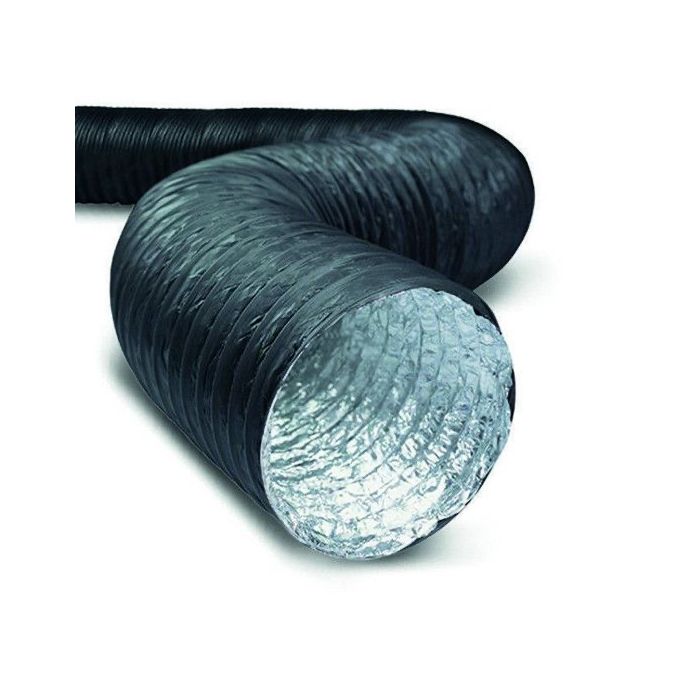
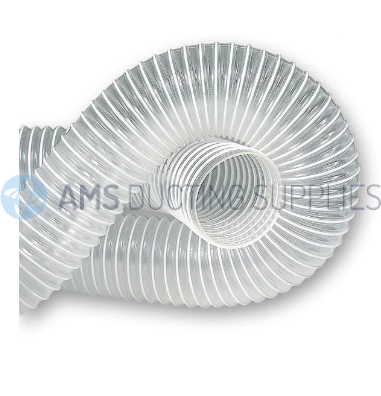
For applications involving less aggressive gases at lower temperatures, our PVC ducting provides a reliable and economical solution. Available in various formats including our popular PVC flexible ducting, this option offers resistance to many chemicals while providing flexibility in installation. It’s particularly well-suited for temporary setups or areas where frequent reconfiguration is necessary. The temperature range for our PVC ducting typically spans from -5°C to +60°C, making it ideal for ventilation systems in less extreme environments or for handling mildly corrosive gases in ambient conditions.

We understand that selecting the right ducting is crucial for safety and efficiency. That’s why we offer a comprehensive range of accessories, from clamps and connectors to custom fittings, ensuring you can build a complete, tailored ducting system. Whether you’re dealing with chlorine in water treatment, ammonia in refrigeration, or other hazardous gases, our team is ready to help you choose the perfect ducting solution for your specific needs.

Compliance and Safety Standards

Ensuring the safe handling of hazardous gases in the UK involves adherence to various regulations and standards. We are committed to helping our clients meet these crucial safety requirements.


Key regulations governing hazardous gas handling in the UK include:

  • Health and Safety at Work etc. Act 1974: This foundational legislation sets out the general duties employers have towards employees and members of the public.
  • Control of Substances Hazardous to Health Regulations 2002 (COSHH): These regulations require employers to control substances that are hazardous to health, including many industrial gases.
  • Dangerous Substances and Explosive Atmospheres Regulations 2002 (DSEAR): These regulations apply to workplaces where dangerous substances could cause a fire, explosion, or similar energy-releasing event.
  • The Pressure Systems Safety Regulations 2000: These regulations cover the safe design and use of pressure systems, which often involve hazardous gases.


Additionally, industry-specific guidelines such as those from the Health and Safety Executive (HSE) provide detailed recommendations for gas detection, ventilation, and emergency response procedures.

We ensure our products meet or exceed these regulatory standards, helping you maintain a safe working environment while staying compliant with UK law. Our team stays up-to-date with the latest regulations and can provide guidance on selecting ducting systems that align with your specific compliance needs.

Ensuring Compliance with Industry Standards

Compliance involves several key steps:


  1. Regular risk assessments
  2. Implementation of proper safety protocols
  3. Employee training on hazardous gas handling
  4. Installation of appropriate safety equipment, including specialised ducting
  5. Regular maintenance and inspections of all systems


Adhering to these standards not only ensures legal compliance but also creates a safer work environment.

Certification and Testing Requirements

Specialised ducting systems must undergo rigorous testing and certification:


– Pressure testing to ensure leak-proof performance

– Fire resistance testing for fire rated ducting components

– Material compatibility testing with specific gases

– Third-party certification to verify compliance with industry standards


These certifications provide assurance that the ducting system will perform as required in critical situations.

Our Specialised Ducting Solutions

At AMS Ducting, we’re not just about selling ducting systems – we’re about protecting lives and businesses. We know that when you’re dealing with hazardous gases, every decision matters. That’s why we’ve made it our mission to be your trusted partner in safety and efficiency.

We put safety first in everything we do. Our ductwork features leak-proof connections, seamless integration with gas detectors, and compatibility with protective wraps. Plus, we ensure full compliance with all safety standards.

Don’t leave your team’s safety to chance, view our range of high quality ducting solutions. Our knowledgable team are just a phone call away to help with any questions or concerns. We’re dedicated to ensuring you have the right tools to keep your operation running smoothly and safely.