

Posted on

Rectangular Ducting Solutions for Commercial Spaces

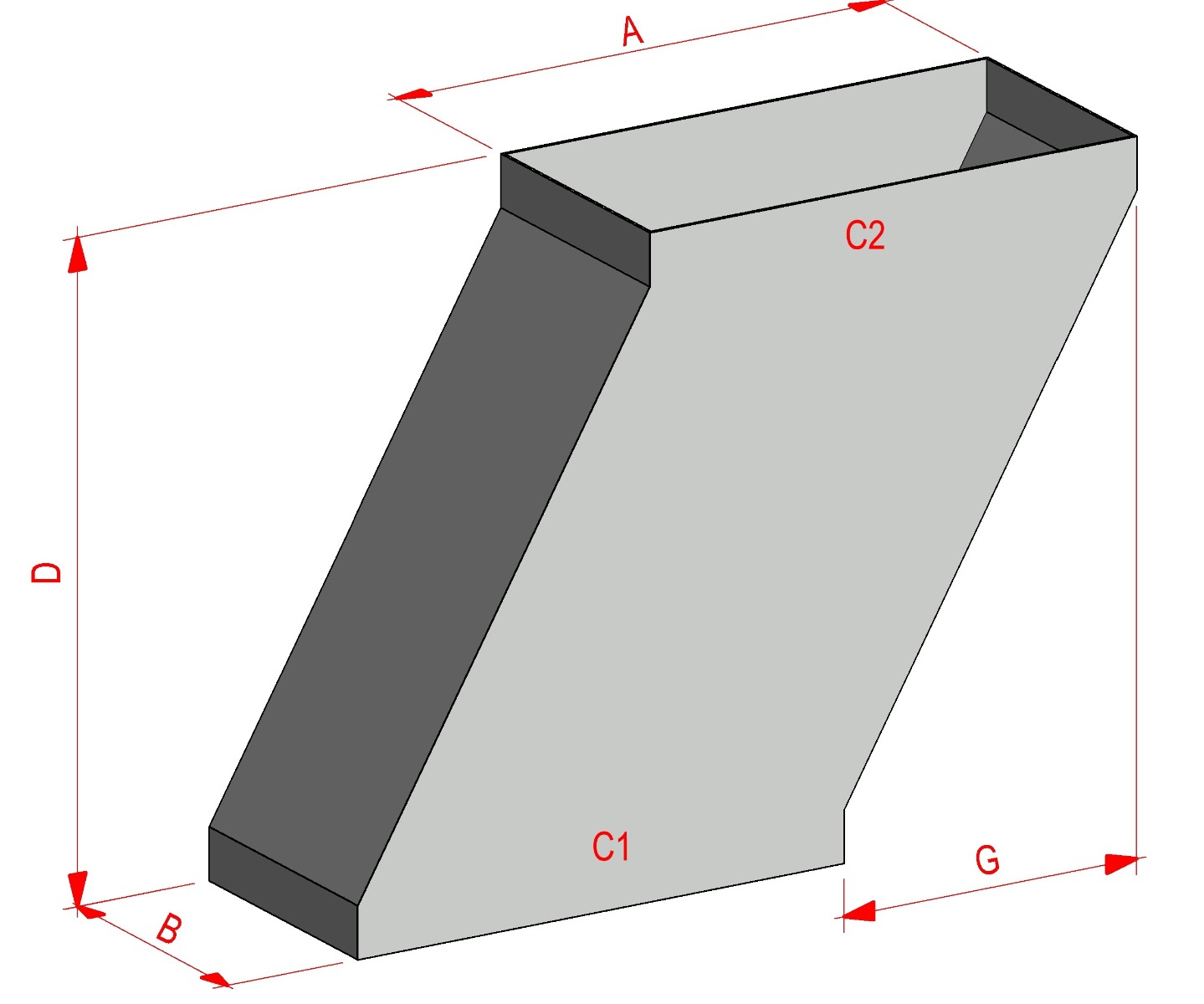
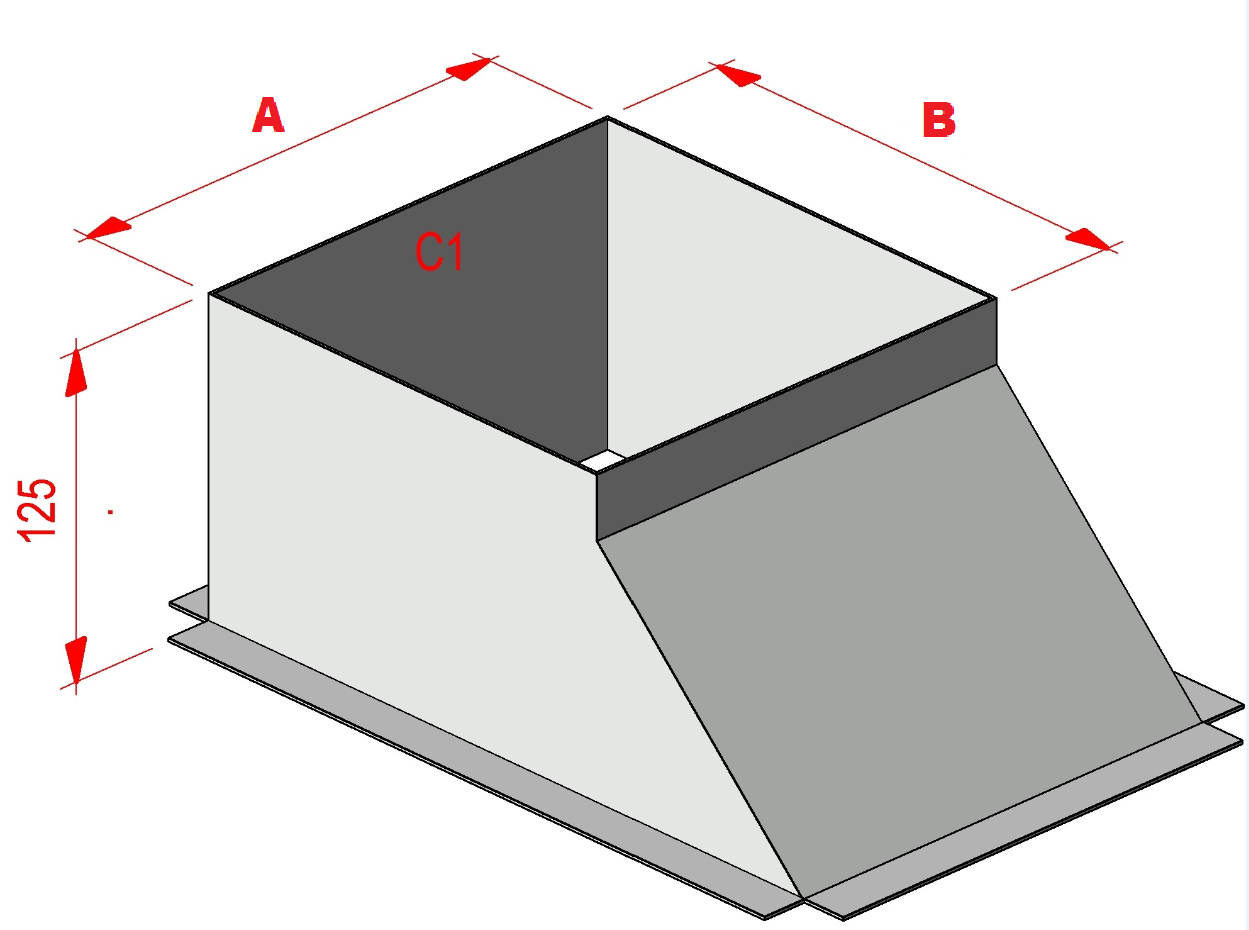
Ductwork is often one of the most critical components when designing a commercial HVAC system, yet it tends to be overlooked. Efficient ducting ensures that heating, ventilation, and air conditioning (HVAC) systems can distribute air effectively and maintain comfort in various building parts. Rectangular ducting solutions are particularly beneficial for commercial spaces such as office buildings, retail environments, and industrial facilities.

In this guide, we’ll explain the key advantages of rectangular ducting, focusing on how it can optimise your space, save costs, and streamline installation.

Understanding the Basics: Why Rectangular Ducting?

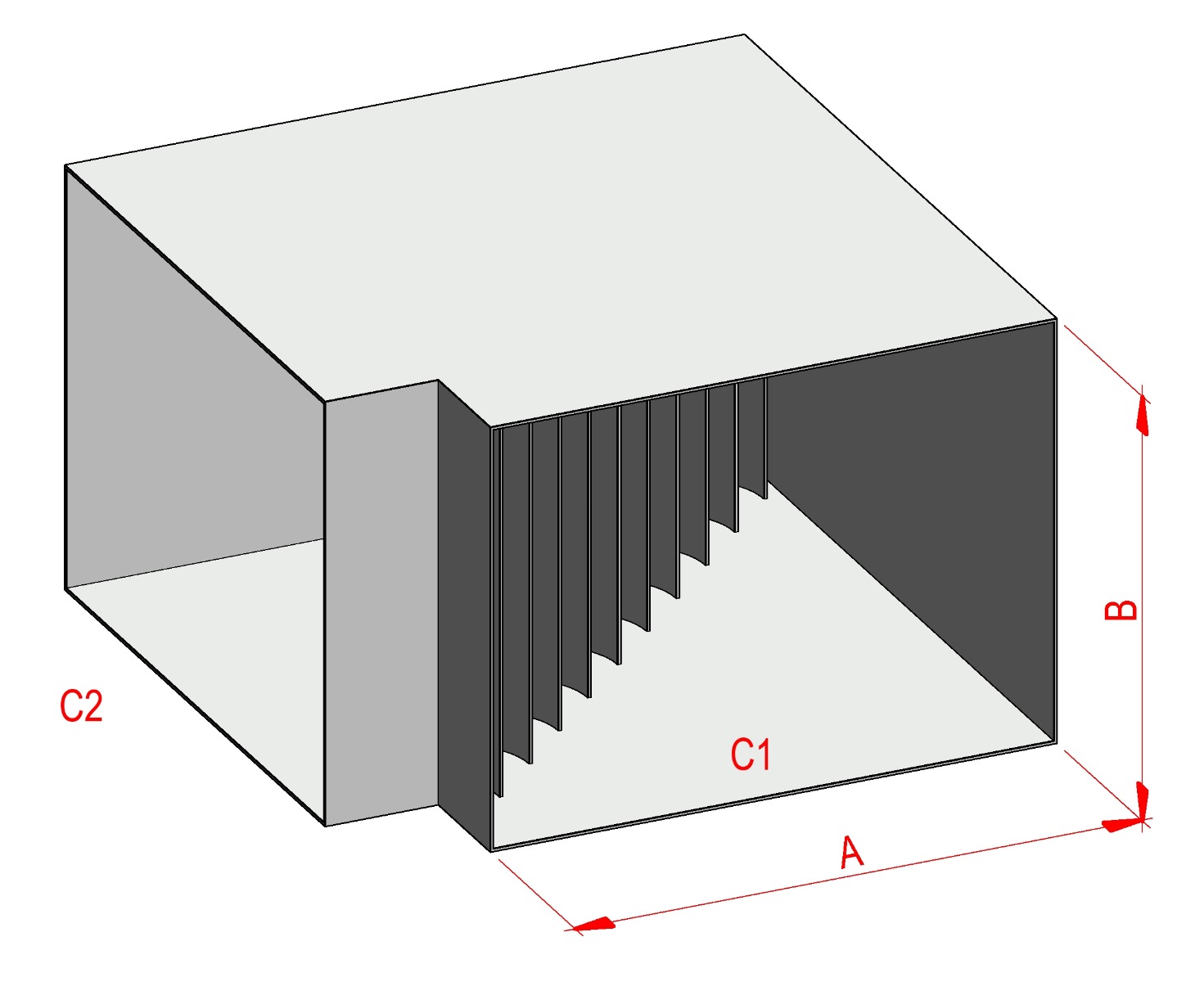
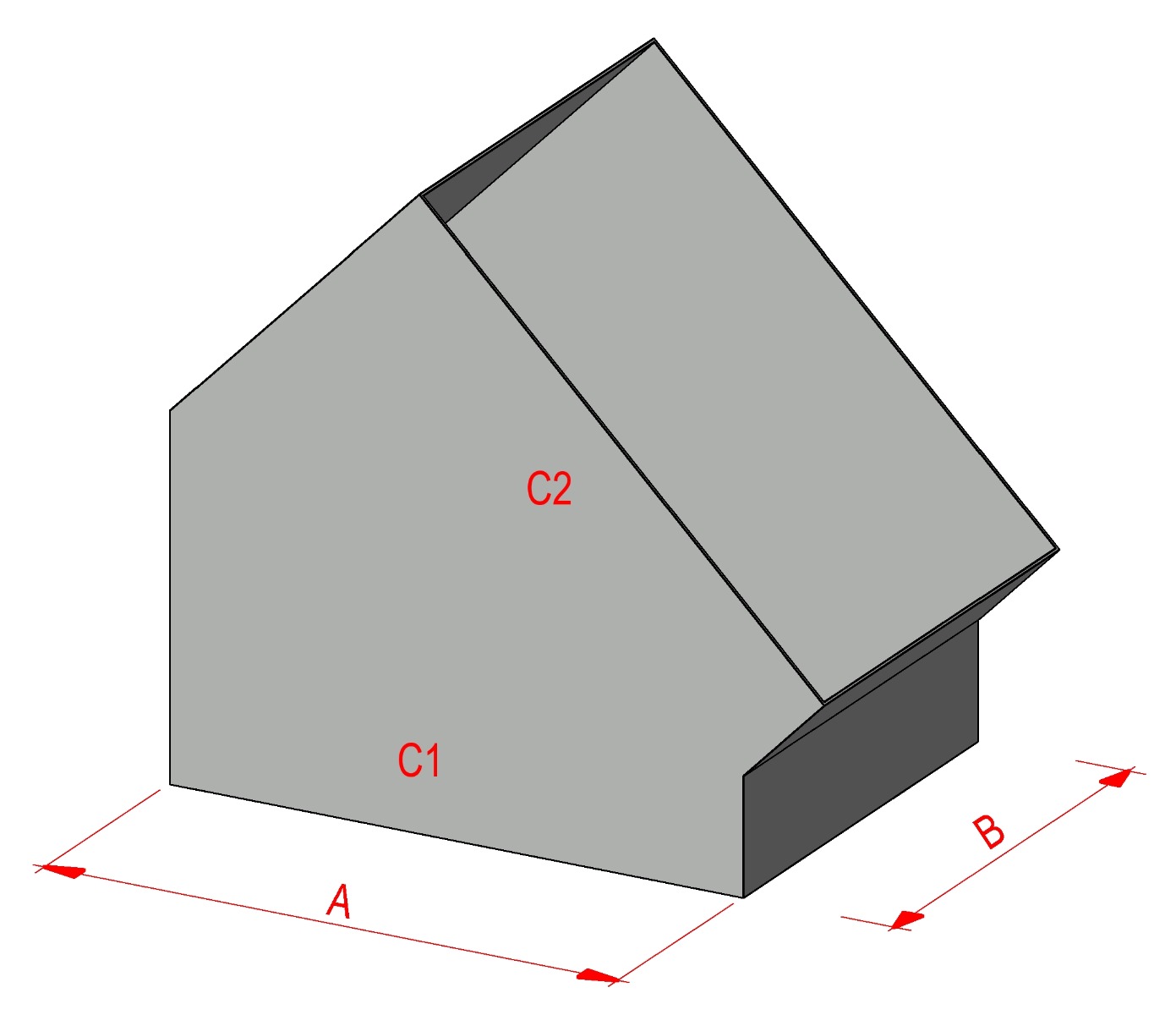
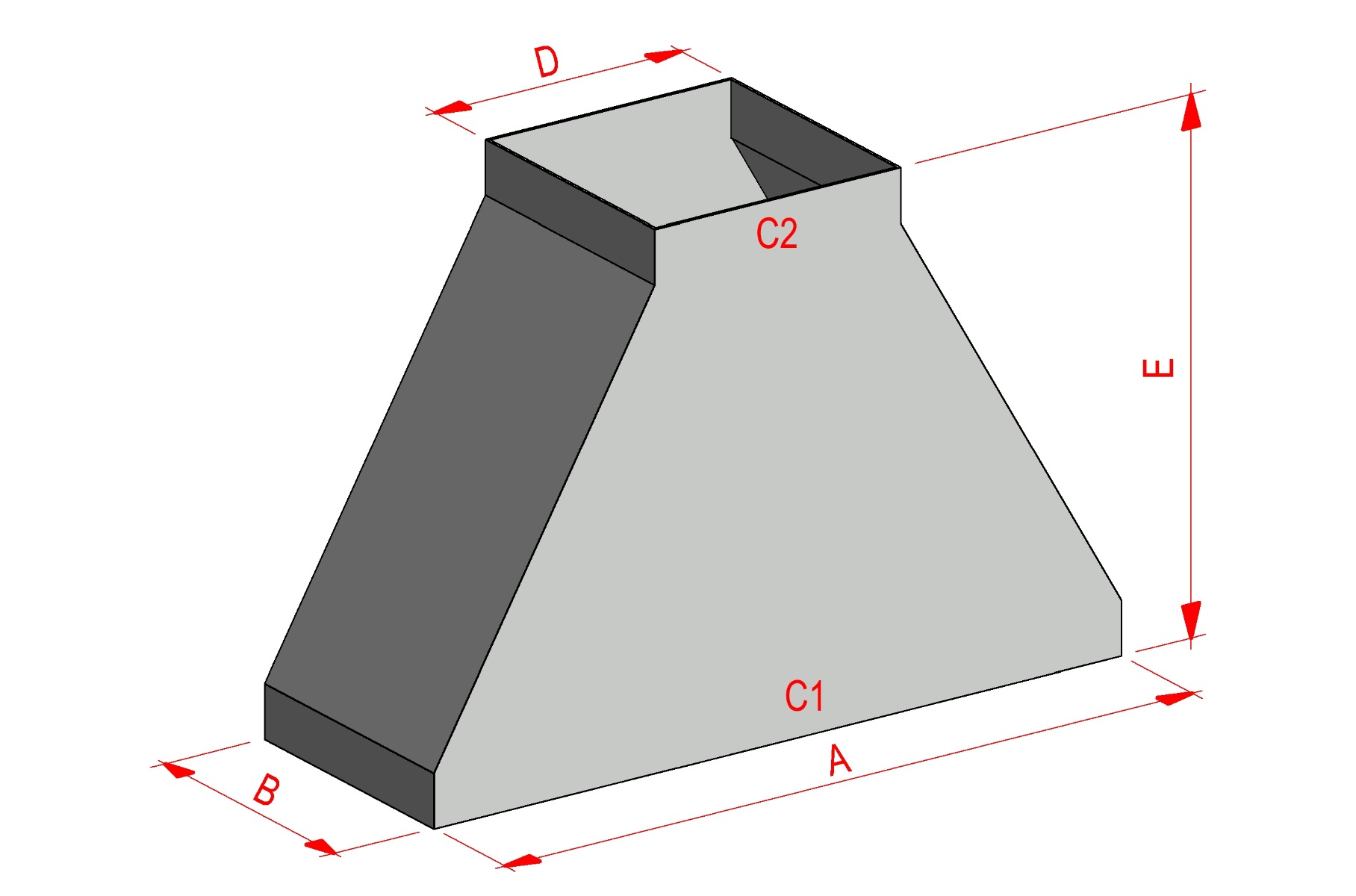
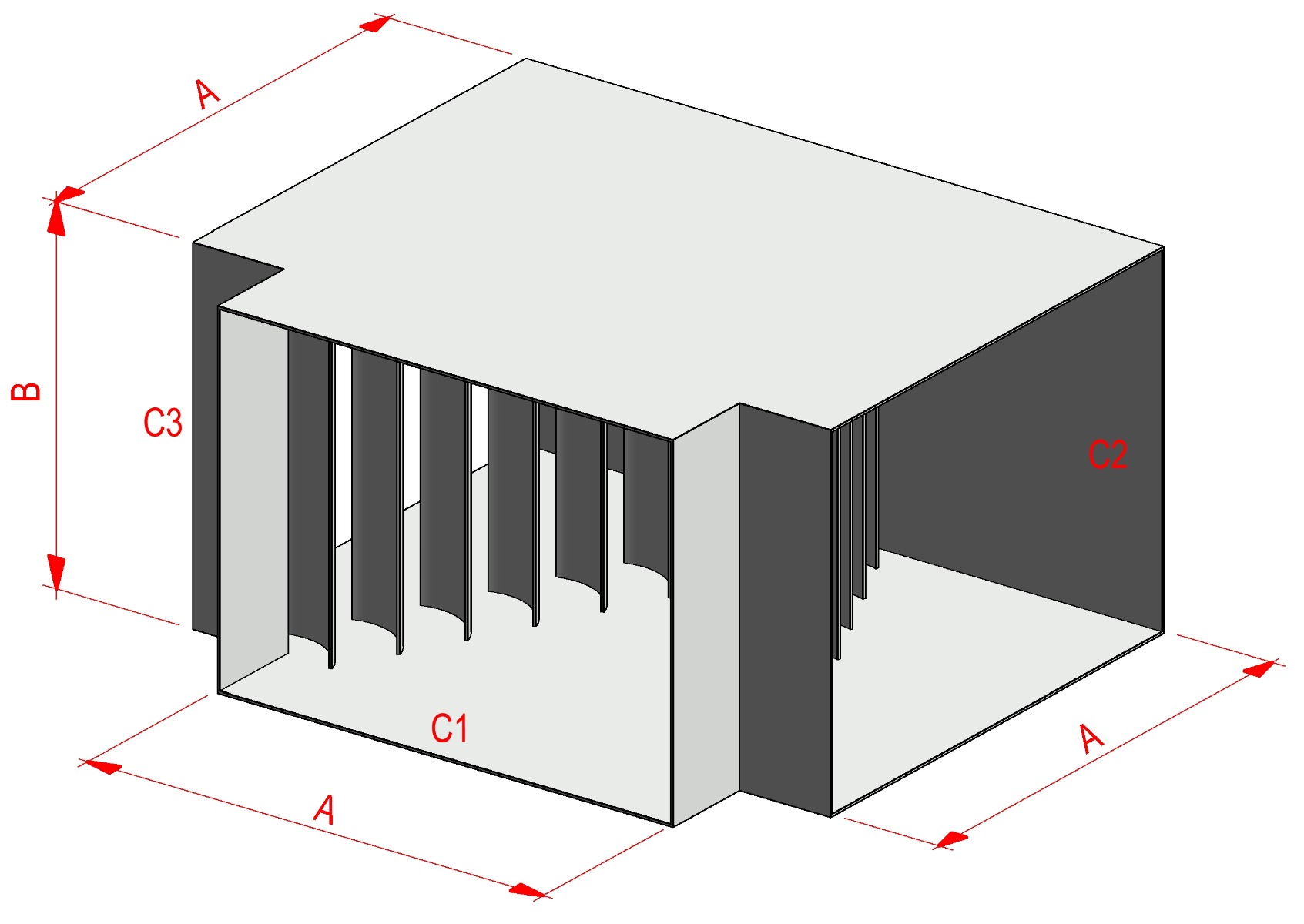
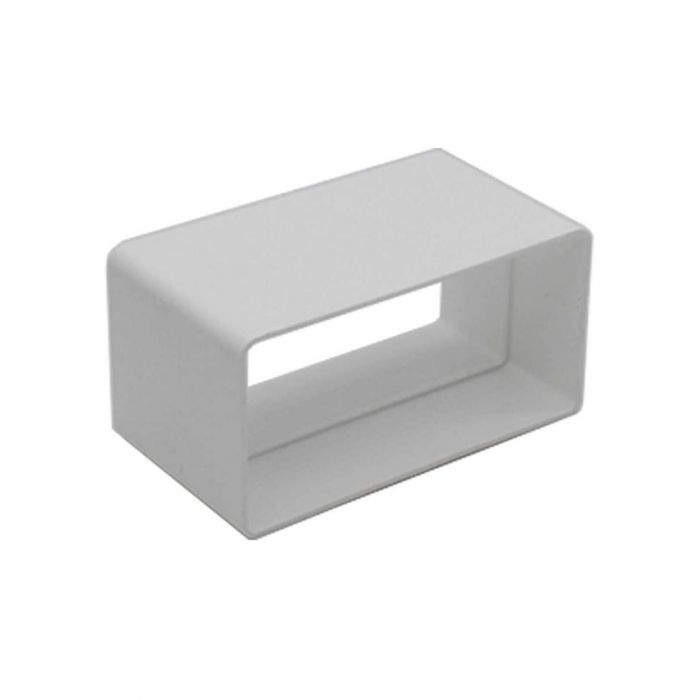
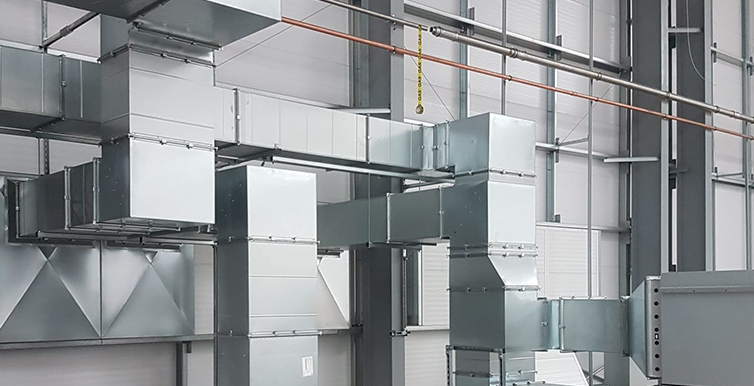
Before diving into the benefits, it’s important to understand why rectangular ducting is commonly used. Rectangular ducts are designed to maximise airflow in environments where space is limited, offering a shape that can fit into tight areas such as between ceilings and floors or along walls. They are usually fabricated from sheet metal or other materials, cut into modular sections, and assembled on-site or in prefabricated segments.

Rectangular ducting stands out in commercial spaces because of its flexibility in design, ease of modification, and ability to integrate with complex layouts. Let’s explore these advantages in more detail.

Space Efficiency

Space efficiency is crucial in commercial spaces, particularly in urban areas where every square foot is a premium. You’re likely already dealing with the challenge of fitting HVAC components around lighting, structural beams, or other mechanical systems. Rectangular flat ducting can help you deal with these challenges by allowing more flexible installation options.

Ideal for Tight Spaces

Unlike round ducts, which tend to protrude more into usable space, the flat ducting’s shape makes them ideal for fitting into confined areas. This is particularly useful for commercial buildings where ceiling heights are limited or floor space is highly valuable. In office buildings, for example, rectangular ducts can be tucked neatly into drop ceilings or along walls, leaving more room for other infrastructure.

For industrial facilities, where large equipment and ventilation systems take up significant space, rectangular ducting can help ensure airflow while avoiding unnecessary encroachment on work areas. Fitting more efficiently in narrow corridors or ceiling voids is a huge advantage when you want to keep HVAC systems out of the way.

Unobtrusive Design

Rectangular ducting offers a sleek, low-profile option in settings where aesthetics matter—such as retail spaces or high-end office buildings. The flat sides of the ducts allow them to blend in with architectural features more easily than other shapes. They can be painted, enclosed, or designed to integrate with ceilings, ensuring they don’t detract from the overall appearance of the space.

Maintaining an inviting atmosphere is crucial for retail stores, as it ensures customer satisfaction. Rectangular ducts have clean lines and ensure that the store looks organised and professional. Their unobtrusive nature leaves more room for lighting, display racks, and decorative elements.

Improved Airflow and Performance

The performance of your HVAC system is crucial in maintaining comfort and efficiency, especially in large commercial spaces where temperature control is vital. Rectangular ducting is designed to handle higher volumes of air, making it ideal for commercial spaces such as offices, retail stores, and industrial facilities.

High Capacity

Thanks to their larger cross-sectional area, rectangular ducts can handle more airflow than round ducts of the same height. This high capacity ensures that large spaces can receive sufficient airflow to meet heating and cooling demands. Whether you’re managing climate control in an office building with hundreds of employees or an industrial facility with heavy machinery, rectangular ducts can effectively distribute air to all areas of the space.


Even Air Distribution

When designed and installed correctly, rectangular ducting promotes even air distribution throughout a building. This ensures consistent temperatures across different zones, preventing hot or cold spots that can lead to discomfort. In retail spaces, where customer comfort is paramount, or in office settings where productivity can be impacted by uneven temperatures, maintaining a consistent environment is essential.

Ease of Installation

As a business owner or contractor, you understand that time is money—especially during construction or renovation. The ease of installation is a key consideration for any HVAC system, and rectangular ducting excels in this area. Its uniform shape and standardised sections simplify the process, leading to faster, more efficient installations that can ultimately reduce costs.

Modular Design for Quick Installation

One of the biggest advantages of rectangular ducting is its modular design. Most rectangular ducts come in pre-fabricated sections, which can be easily connected on-site. This reduces the cutting, bending, or modification needed during installation, allowing your HVAC contractor to move quickly and efficiently.

A key tip for ensuring smooth installation is to work with a reputable ductwork fabricator who provides high-quality pre-fabricated pieces. Look for manufacturers who can provide precise measurements and tight tolerances, which will make the installation process go even smoother.

Simplified Fitting for Complex Layouts

Commercial buildings often have more complex layouts than residential spaces, with numerous beams, columns, and other structural elements to work around. The square edges of rectangular ducts make it easier to cut and fit the ducts around obstacles, whereas round ducts may require additional modifications to fit properly.

If you’re working on a project that involves significant changes to the building layout—such as an office renovation or industrial expansion—rectangular ducting can be easily adapted to new floor plans. Its shape allows for greater flexibility in mechanical rooms, equipment-filled spaces, or tight utility corridors. To further streamline the process, consider partnering with experienced HVAC installers who are familiar with customising ductwork to fit around these kinds of obstructions.

Tailoring Rectangular Ducting to Your Needs

Rectangular ducting solutions are highly versatile, making them suitable for various commercial applications. Here’s how this type of ductwork can benefit different settings:

Office Buildings

Maintaining consistent indoor air quality and comfort is essential for productivity in an office environment. Rectangular ducting is an excellent choice for distributing conditioned air throughout various spaces, such as conference rooms, open-plan offices, and lobbies. Its unobtrusive design allows it to be hidden above drop ceilings or along walls, maintaining a clean, professional look.

For tech-heavy environments or data centres within office buildings, temperature regulation is vital to avoid overheating equipment. Rectangular ducting can deliver targeted airflow while minimising interference with electrical or network cabling, helping to create an efficient and organised workspace.

Retail Spaces

For retail store owners, the comfort of your customers can directly impact sales. In a busy store, temperatures fluctuate due to foot traffic, making reliable HVAC distribution necessary. Rectangular ducts allow for efficient air distribution, keeping the temperature consistent throughout the store. Additionally, the flat design ensures that the ducts don’t interfere with ceiling displays, signage, or lighting fixtures.

A practical tip for retail spaces is strategically placing diffusers and vents connected to the rectangular ducts to ensure uniform airflow. This can prevent areas of the store from becoming too hot or cold, improving the overall shopping experience.

Industrial Facilities

In industrial settings, where large machinery and heavy operations generate heat and dust, HVAC systems are critical in maintaining air quality and temperature. Rectangular ducting is particularly robust, capable of handling the high-volume airflow demands typically required in these environments.

For manufacturing plants or warehouses, rectangular ducting can be custom-fitted around machinery, conveyor belts, or other equipment without disrupting workflow. Its ease of modification makes it adaptable for future expansions or changes in facility layout. Moreover, its cost-effective design helps industrial facility managers stay within budget while ensuring optimal ventilation.

Find your Rectangular Ducting Solutions at AMS Ducting

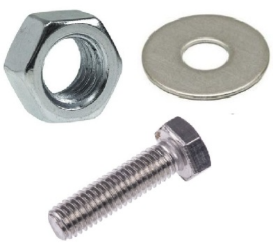
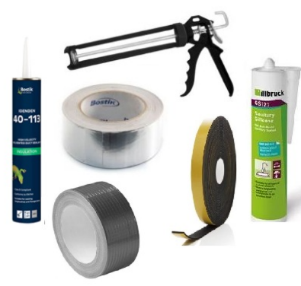
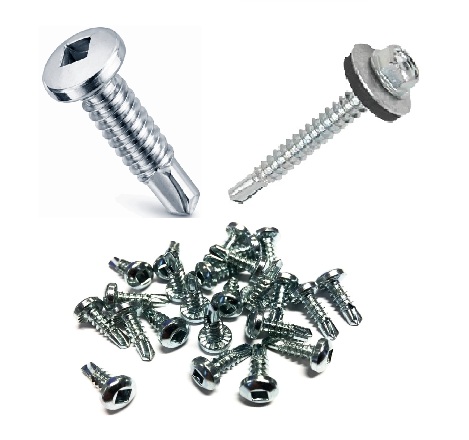
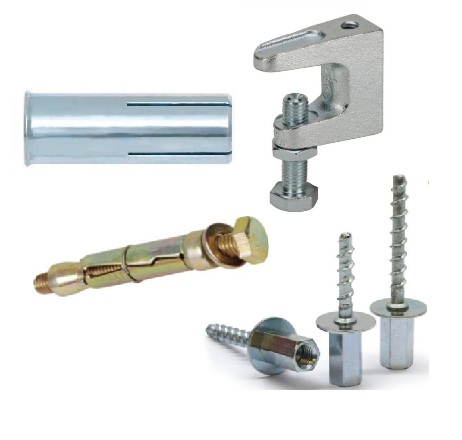
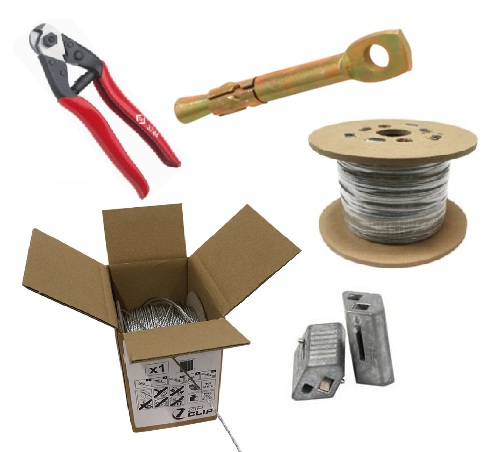
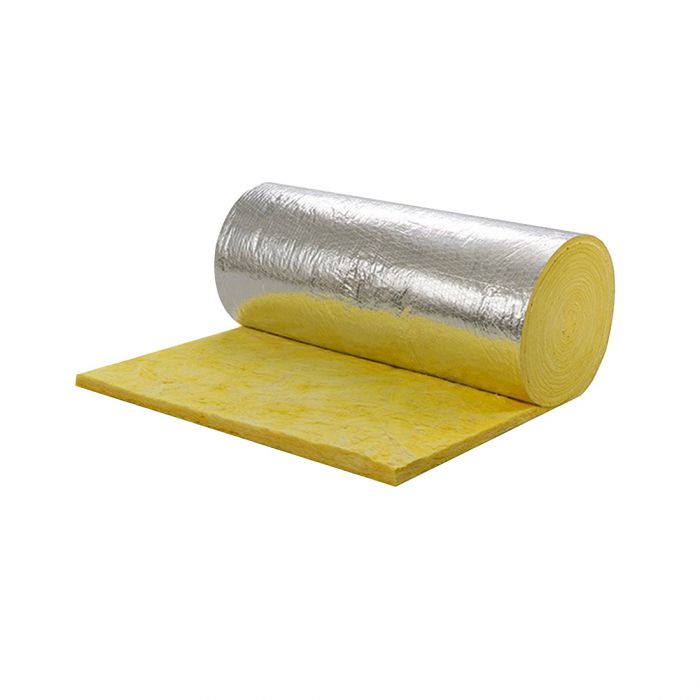
At AMS Ducting, we’re passionate about providing the right solutions for your ductwork needs. We offer a complete selection of rectangular ductwork components, including all the essentials, like fixings and sealants, to ensure your project succeeds.

Our team is here to offer more than just products—we’re dedicated to ensuring you get exactly what you need for a smooth and efficient installation. Whether you’re tackling a large-scale project or a smaller renovation, we’re here to support you with expert advice and top-quality materials.

Ready to enhance your HVAC system? Visit AMS Ducting to explore our full range of rectangular ducting options. If you have any questions or need personalised assistance, don’t hesitate to contact us. We’re happy to help you make your next project a success.
Posted on

Top Ducting Solutions for Greenhouse Ventilation

If you’re a greenhouse grower, you already know how crucial the right environment is for your plants. Light, water, and soil quality often take centre stage in conversations about healthy crops, but there’s one thing that might not get as much attention—ventilation. Without proper airflow, even the best setup can fall short, leading to poor plant growth, reduced yields, and even plant diseases.

When considering greenhouse ventilation, you might imagine fans, windows, or vents. But another critical piece of the puzzle is the ducting system, which can make or break how efficiently air circulates through your space. In this blog, we’ll discuss the different ducting solutions available for greenhouses and why they matter. Whether you’re just starting or looking to upgrade an existing system, this guide will walk you through everything you need to know about choosing the right ducting.

Let’s explore the world of ducting solutions and how each option can help you optimise ventilation for a healthy and productive greenhouse.

Why Greenhouse Ventilation Matters

Before we get into specific ducting solutions, it’s important to understand why ventilation is so important for your greenhouse. Essentially, proper ventilation does three critical things:

  1. Regulates Temperature: Without airflow, greenhouses can quickly overheat. While plants thrive in warm environments, too much heat can damage their growth.
  2. Controls Humidity: Excess humidity can cause mould, mildew, and plant diseases. A good ventilation system helps control moisture levels and maintain the right humidity for your crops.
  3. Supplies Fresh Air and CO2: Plants need CO2 to photosynthesise. Ventilation brings fresh air, ensuring that CO2 levels remain optimal for plant growth.

Whether you’re growing vegetables, flowers, or herbs, maintaining the right balance of temperature, humidity, and fresh air is crucial. A well-designed ducting system can help you achieve this balance, no matter the size or layout of your greenhouse.

Rectangular Ductwork: Maximise Space and Efficiency

Starting with a heavy hitter—rectangular ductwork is a tried-and-true solution for greenhouses, especially larger operations. It’s particularly useful if you have multiple growing zones or a large space to ventilate. One of the main benefits of rectangular ductwork is its space-saving design. Because it can fit snugly along walls, ceilings, or tight spaces, it maximises the available area in your greenhouse, leaving more room for your plants.

But it’s not just about saving space—rectangular ducting is also efficient. The large surface area allows for the movement of high volumes of air, which is essential for larger greenhouses where airflow can sometimes get uneven.

Key Benefits:

  • Space-Saving: Its flat shape allows it to be tucked away along walls or under ceilings.
  • Efficient Airflow: Designed to move large volumes of air, making it ideal for big greenhouses or multiple zones.
  • Durable: Made from robust materials, this type of ducting can withstand the moisture-heavy environment of a greenhouse without rusting or corroding.

If you’re running a commercial greenhouse or one with multiple growing areas, rectangular ductwork is an excellent solution. It provides consistent airflow throughout the space, ensuring that every corner of your greenhouse gets the ventilation it needs.

Flexible Ductwork: The Ultimate Problem Solver

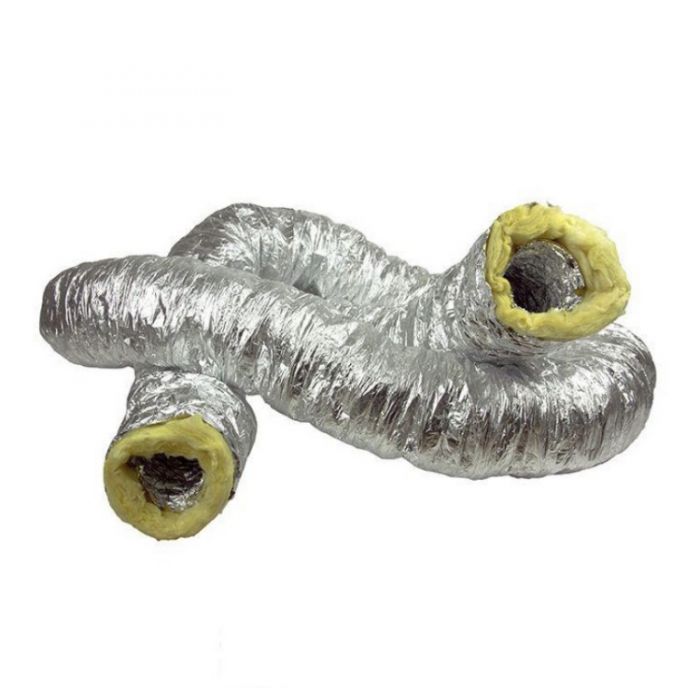
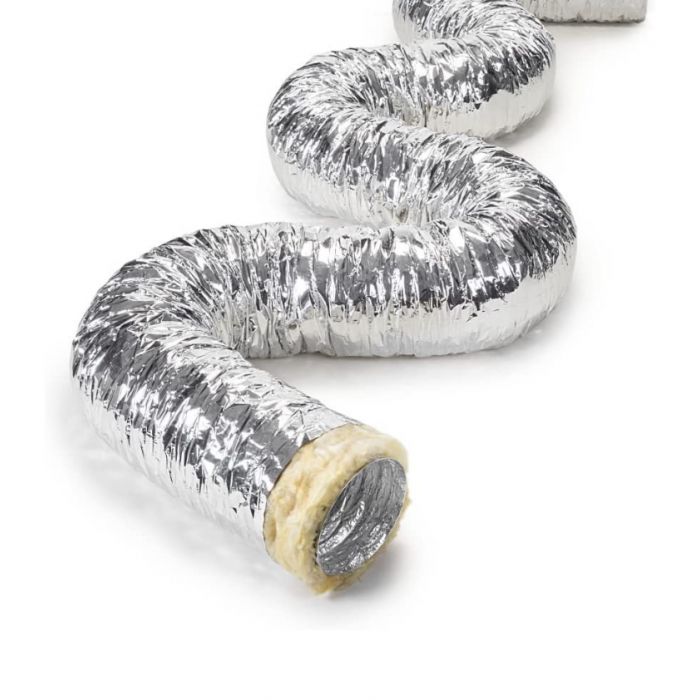
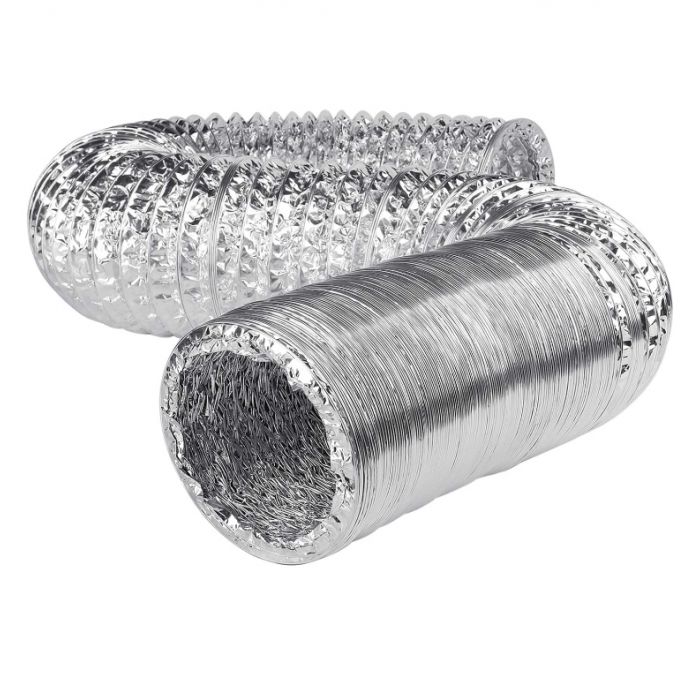
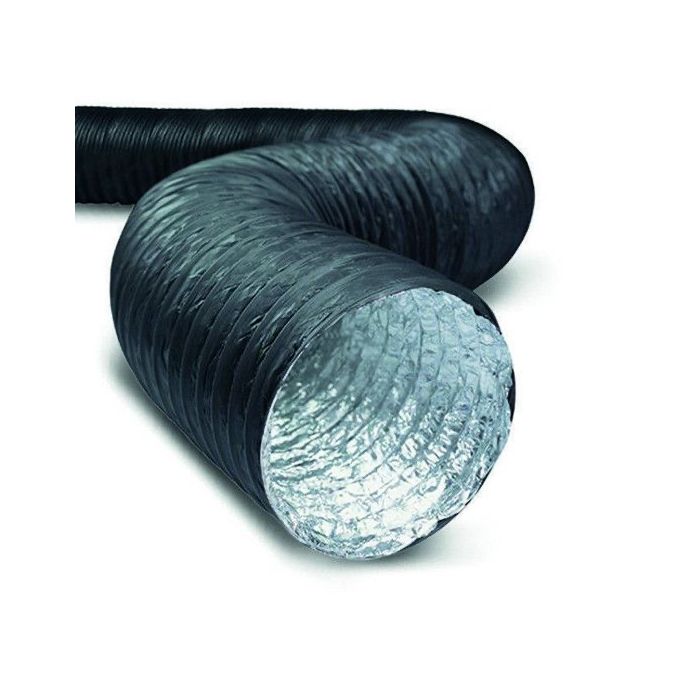
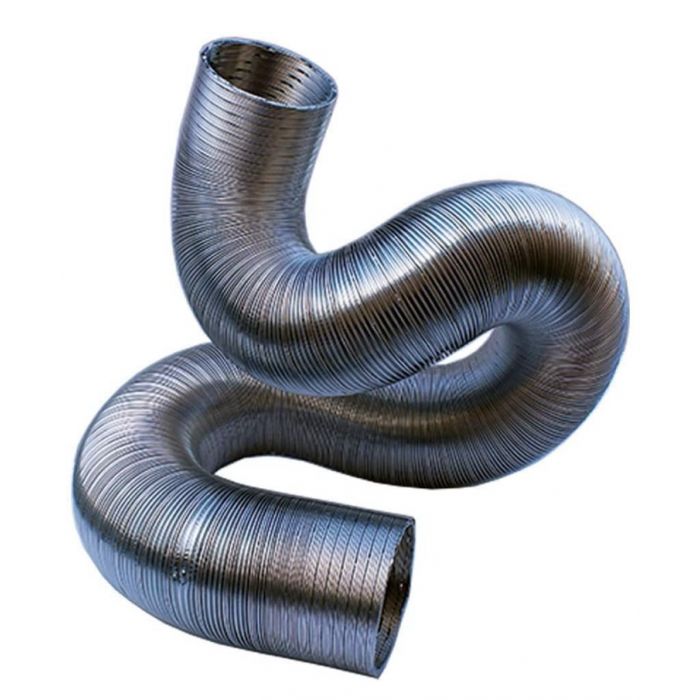
If you have a more complex or smaller greenhouse layout, flexible ductwork is a fantastic option. Unlike rectangular ducts, which are rigid and fixed, flexible ducting can be bent, twisted, and stretched to fit just about anywhere. That makes it the perfect solution for greenhouses with unusual layouts or obstacles like irrigation systems, plants, or structural supports.

Imagine you have a winding greenhouse with various plants, shelves, or water systems in the way—flexible ducting can easily navigate those spaces without requiring any major adjustments to your setup. It’s made from lightweight, bendable materials, so it’s not just versatile—it’s also incredibly easy to install.

Why Choose Flexible Ductwork?

  • Adaptable: It’s perfect for tight, irregular spaces or those with multiple zones requiring separate ventilation.
  • Quick Installation: There is no need for custom fabrication or complicated fittings. You can install flexible ducting quickly.
  • Lightweight: Since it doesn’t put much strain on structural supports, flexible ductwork is ideal for hanging overhead systems without additional bracing.

Flexible ductwork works well if you need a quick, easy solution that fits wherever you need it. Its adaptability also makes it a good choice for greenhouses that are still growing or evolving—if you move things around or expand, you can easily adjust the ductwork without replacing everything.

Spiral Ductwork: Perfect for Long Runs

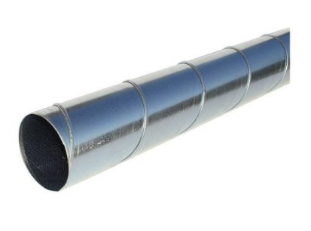
For larger greenhouses where air needs to be moved over long distances without losing efficiency, spiral ductwork is a top-tier choice. These ducts are made of galvanised or stainless steel and have a smooth, cylindrical shape that minimises air resistance. This means that even if the air has to travel across a long stretch of ducting, it maintains its speed and pressure, ensuring consistent ventilation throughout your greenhouse.

Because of its durability, spiral ductwork is also a long-lasting investment. The materials are typically resistant to corrosion, which is essential in the humid environment of a greenhouse. Plus, its sleek look can even add a bit of aesthetic appeal to your setup—if you’ve got an open layout where the ducting is visible, spiral ducts can give it a professional, industrial vibe.

Advantages of Spiral Ductwork:

  • Smooth Airflow: The spiral design reduces friction, allowing air to move freely through the duct without losing pressure.
  • Durable Materials: Resistant to corrosion, making it ideal for humid environments like greenhouses.
  • Ideal for Long Runs: When air needs to be moved across a large area efficiently, spiral ductwork is the solution.

Spiral ductwork is great for greenhouses where air needs to be transported across large distances without sacrificing efficiency or energy use. If you’re looking for a solution that’s built to last, this is definitely worth considering.

Ventilation Fans: The Power Behind Effective Airflow

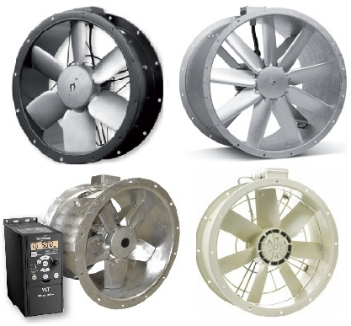
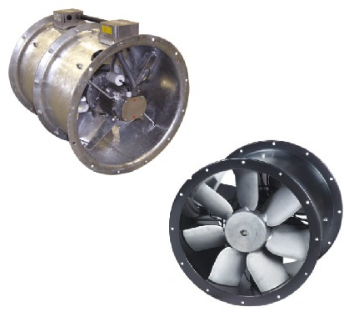
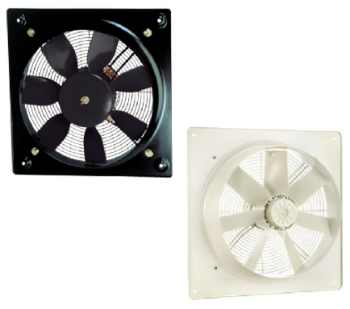
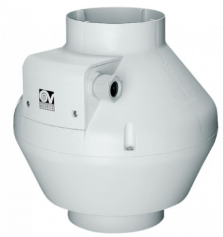
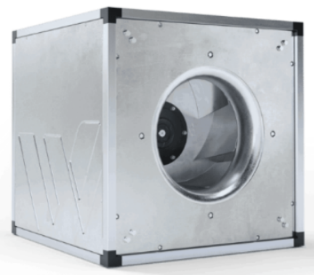
While ducting is essential for distributing air throughout your greenhouse, ventilation fans are the driving force behind that airflow. Without fans, even the most well-designed ducting system won’t be able to move air efficiently, leaving your plants vulnerable to overheating or insufficient CO2 levels. Choosing the right fan setup is just as important as selecting the right ductwork, as both work together to create an ideal growing environment.

When paired with the right ducting system, ventilation fans can significantly boost the efficiency of your greenhouse’s airflow. Ducts help direct the air exactly where it’s needed, minimising the risk of over-ventilation in some areas and under-ventilation in others. The combination of properly sized and placed fans with well-designed ductwork ensures that your greenhouse maintains an optimal climate, even in extreme weather conditions.

Fixings, Sealings, and Jubilee Clips

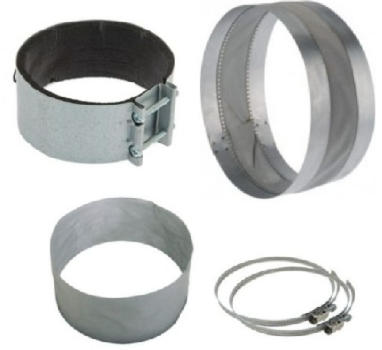
Ducting might be the star of your greenhouse ventilation system, but it won’t perform well unless it’s properly supported. That’s where fixings, sealants, and Jubilee clips come in. These components are essential to make sure everything is securely connected, preventing air leaks and ensuring your ventilation system runs efficiently.

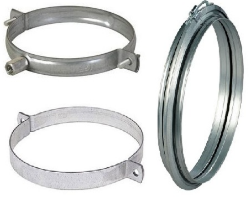
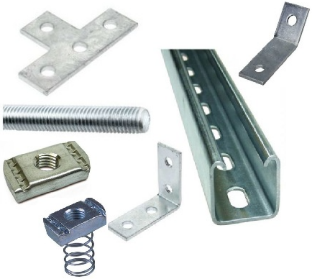
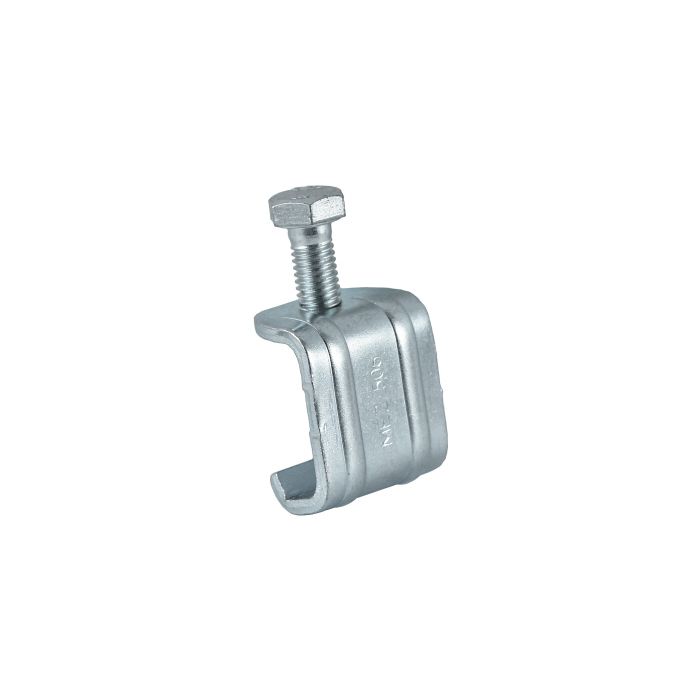
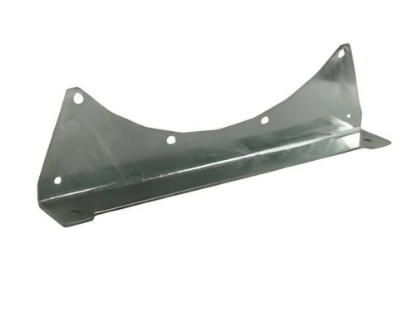
Let’s start with fixings—these are the brackets, hangers, and clips that hold your ducting in place. Without them, your ducts might shift over time, which can cause airflow to become uneven. Fixings also make sure your ducts are securely attached to your greenhouse structure, whether that’s on walls, ceilings, or even suspended overhead.

Sealants are equally important. They’re used to create airtight seals at the joints and connections between different duct segments. Without proper sealing, air can escape, reducing the overall efficiency of your system and making it harder to maintain the right temperature and humidity levels.

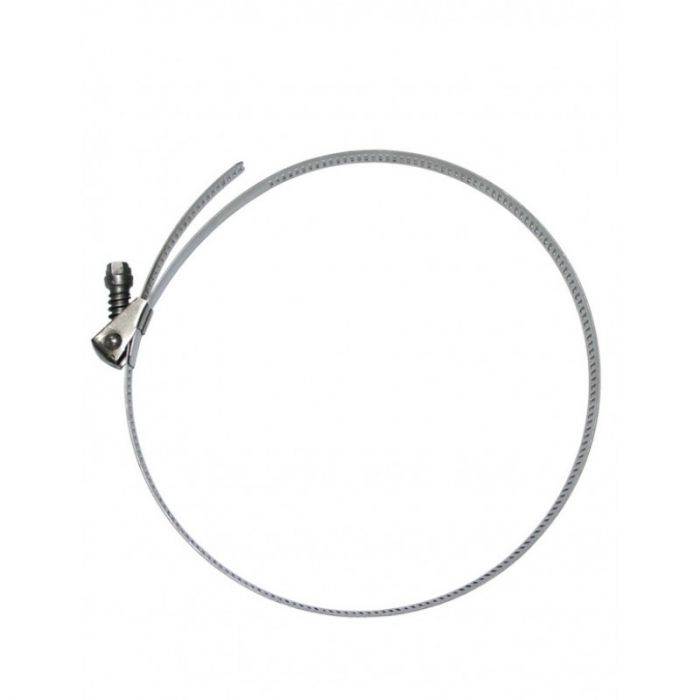
And finally, Jubilee clips are perfect for securing flexible ductwork. These metal clamps tighten around the duct, keeping it securely in place. The beauty of Jubilee clips is that they can be adjusted easily, making it simple to make tweaks or adjustments to your system as needed.

Why They Matter:

  • Fixings: Keep your ductwork securely in place and prevent movement or sagging.
  • Sealants: Ensure airtight connections between duct segments, preventing energy loss and maintaining consistent airflow.
  • Jubilee Clips: Ideal for securing flexible ducting, they make adjustments quick and easy.

These small components are essential to the success of any ducting system. They help ensure that your system works efficiently, without leaks or drops in air pressure.

Louvres and Grilles: Direct and Control Your Airflow

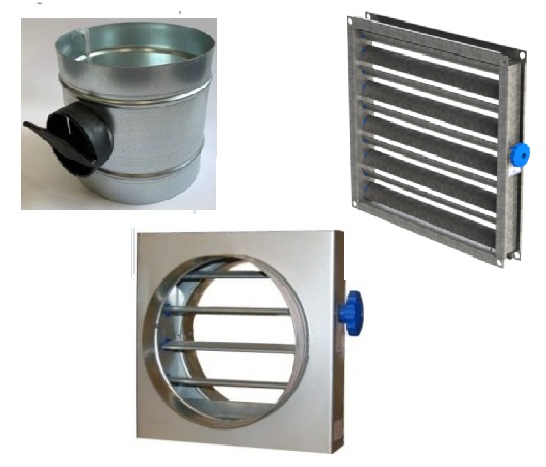
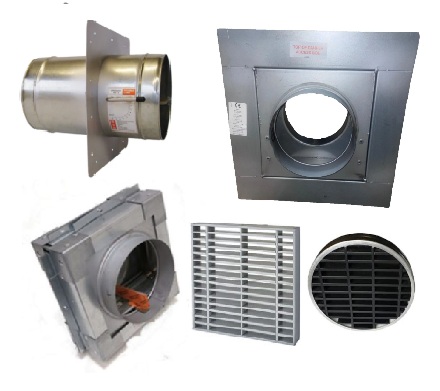
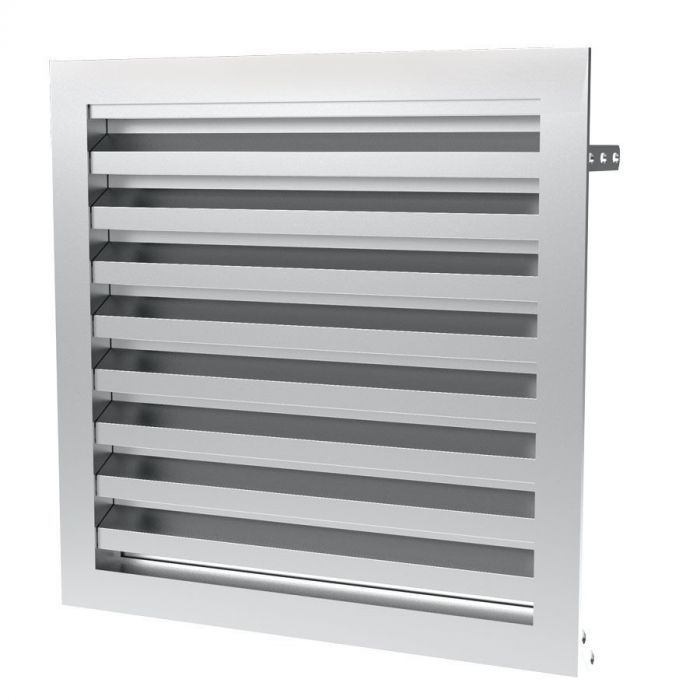
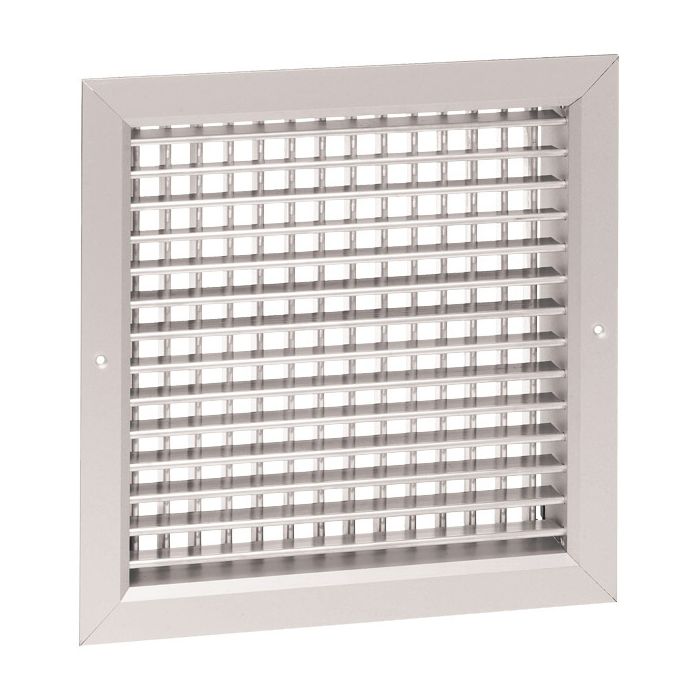
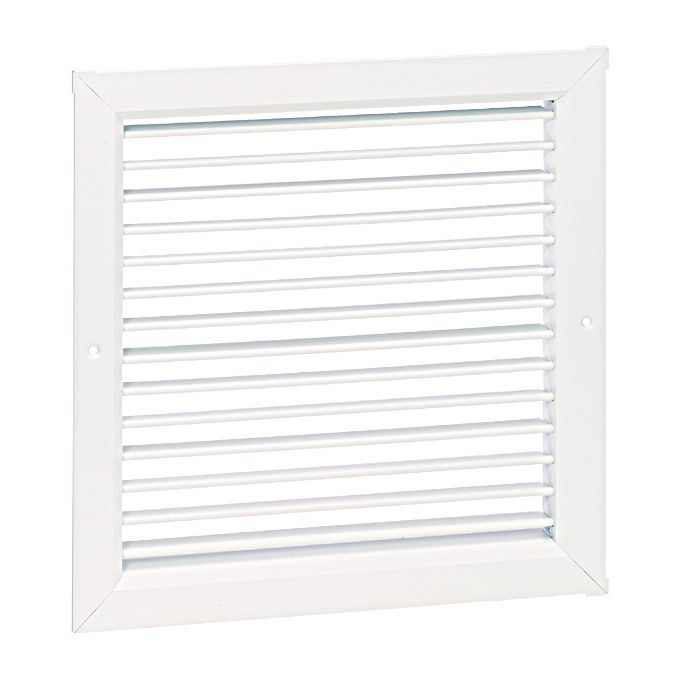
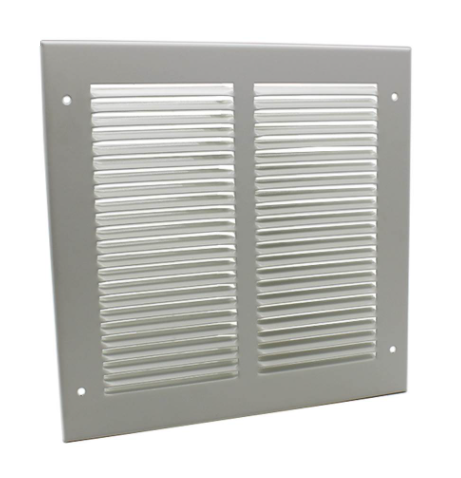
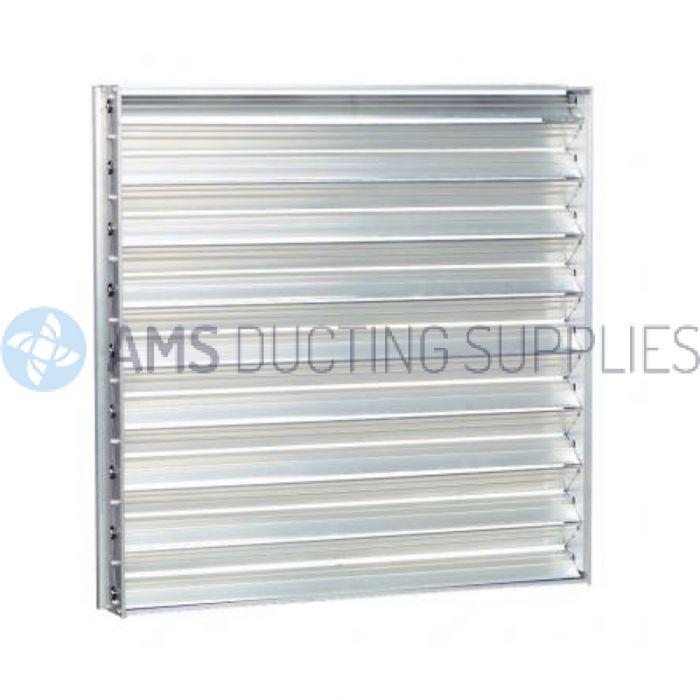
While ducting is crucial for moving air around your greenhouse, it’s the louvres and grilles that control where that air goes and how much of it gets in or out. Louvres are essentially adjustable vents that can be opened or closed to control airflow. This allows you to direct airflow where it’s needed most and to adjust ventilation levels based on the current temperature, humidity, or plant needs.

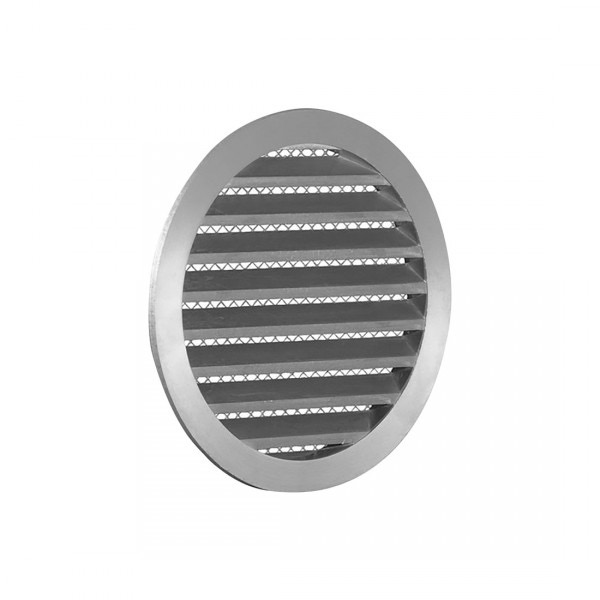
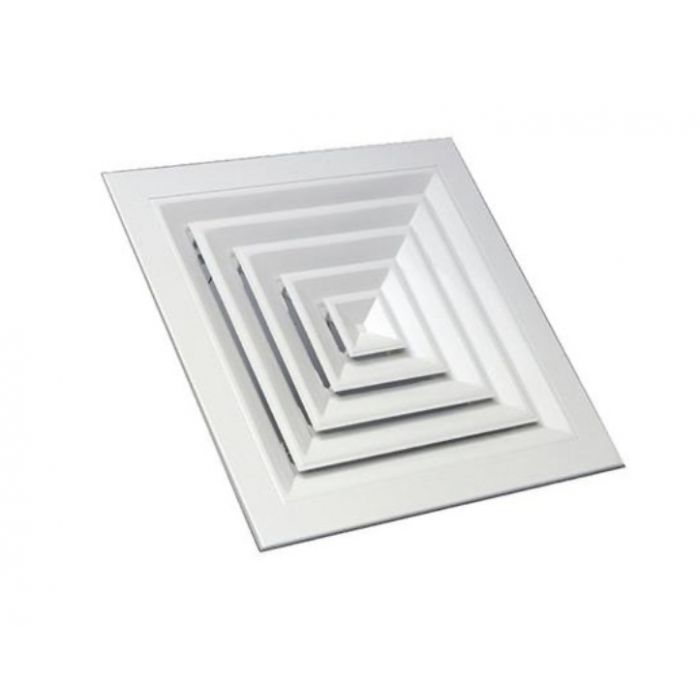
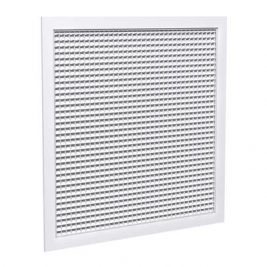
Grilles, on the other hand, are protective covers that prevent debris, pests, or even small animals from entering your ducting system. While they might seem like minor components, they play an important role in keeping your ventilation system running smoothly and free from blockages or damage.

Why You Need Louvres and Grilles:

  • Control Airflow: Louvres allow you to fine-tune the amount of air entering or exiting different parts of your greenhouse.
  • Protect Your System: Grilles keep out debris and pests, protecting your ductwork from potential damage.
  • Optimise Climate Control: Use louvres to adjust ventilation based on changing greenhouse conditions, ensuring your plants always have the ideal environment.

By strategically placing louvres and grilles throughout your greenhouse, you can create a more dynamic, controlled airflow system that adapts to your crops’ needs.

Get Expert Help and Top-Quality Products with AMS Ducting

At AMS Ducting, we understand that every greenhouse is unique, and that’s why we offer a comprehensive range of ducting solutions tailored specifically to your needs. Whether you’re looking for space-efficient rectangular ductwork, adaptable flexible ducts, or durable spiral ducting, we’ve got it all—and more. Our product range includes everything you need to build a robust and efficient ventilation system, from fixings and sealants to Jubilee clips, louvres, and grilles.

But it’s not just about the products. At AMS Ducting, our expert team is here to guide you through the process, ensuring you get the right solutions to optimise airflow, control humidity, and maintain the perfect growing conditions for your plants. No matter the size or complexity of your greenhouse, our team is ready to help you design a system that will keep your crops healthy and thriving all year round.

Ready to improve your greenhouse ventilation? Contact AMS Ducting today and let us help you create the ideal environment for your plants. From consultation to installation, we’re here every step of the way!