

Posted on

Ensuring Sterile Environments with Effective Air Ducting in Hospitals

Creating a clean and safe environment in hospitals is essential for protecting patients and supporting their recovery. A big part of this involves having a reliable air ducting system. While it might seem like just a background feature, ducting actually plays a crucial role in keeping the air clean and free of contaminants.

In this guide, we will explain, why they’re so important, the best types of ducting to choose and how regular air duct cleaning can make a significant difference.

The Vital Role of Air Ducting in Healthcare Settings

Airborne pathogens, including bacteria, viruses, and fungal spores, represent significant concerns within healthcare settings. To effectively combat these challenges, advanced air ventilation systems are essential. 

These systems are designed to capture and eliminate harmful particles, thereby reducing the risk of infections and maintaining a safe environment for patients and staff. These systems are vital in specialised areas such as isolation rooms and critical care units, where patients with compromised immune systems—due to chemotherapy, organ transplants, or other treatments—are particularly vulnerable.

Beyond infection control, maintaining high air quality is vital for the overall comfort and well-being of both patients and healthcare staff. Effective air ventilation systems, play a key role in removing dust, allergens, and other airborne irritants. 

This is vital in areas with high patient turnover, such as emergency departments and waiting areas. In these spaces, the constant influx and movement of people can lead to rapid changes in air quality, making it essential to have a robust filtration and ducting system to manage these fluctuations effectively.

Selecting the Best Ducts for Hospital Ventilation Systems

When it comes to designing and maintaining a hospital’s air ventilation system, choosing the right ducting is essential for optimal air quality and system efficiency. Here’s a closer look at some of the best options for healthcare environments:

Aluminum Ducting

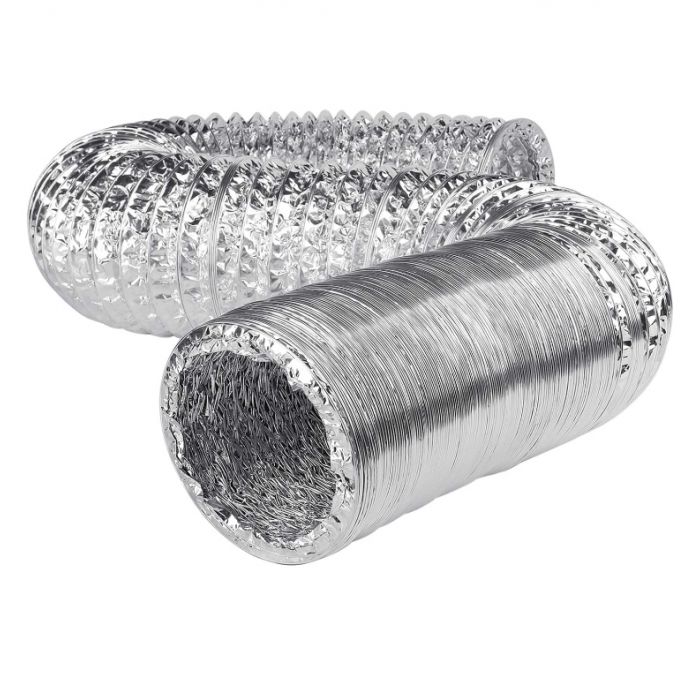
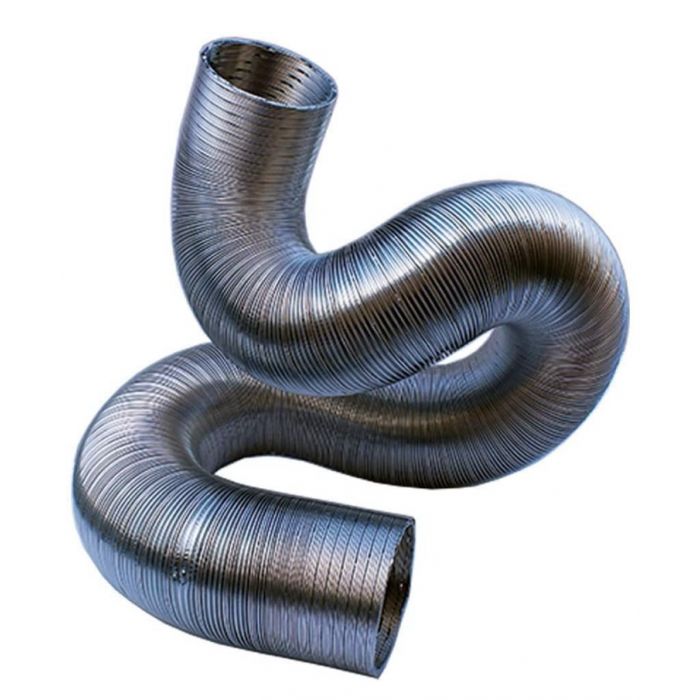
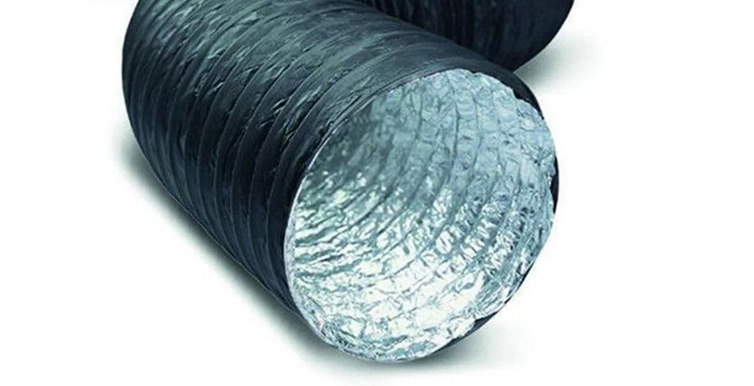
Aluminum ducting is a top choice for hospital air ventilation systems due to its durability, flexibility, and ease of maintenance. They are resistant to corrosion, which is particularly useful in healthcare environments where cleanliness and hygiene are paramount. Aluminum ducts are also lightweight and easy to install, making them ideal for complex ventilation layouts. Plus, their smooth inner surface reduces friction and airflow resistance, boosting overall system efficiency.

Galvanised Steel Ducting

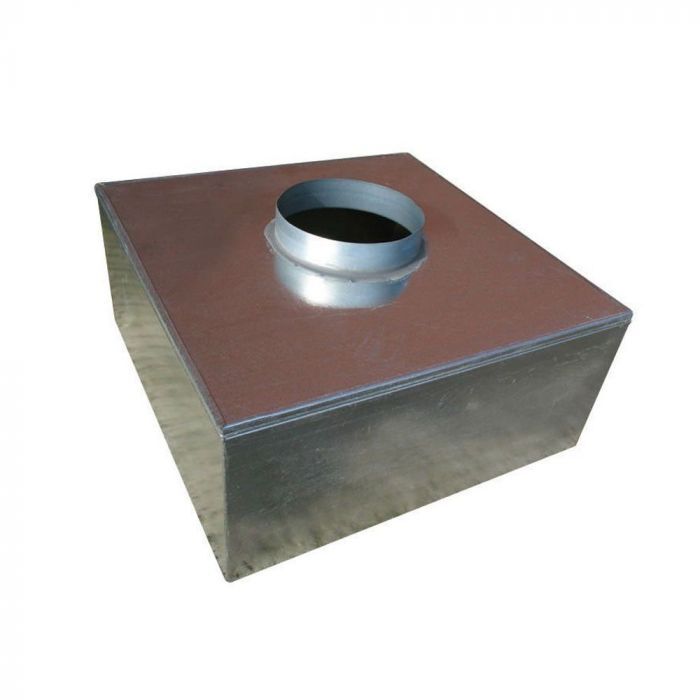
Galvanised steel ducting is another excellent choice for hospital ventilation systems. Its strength and rigidity provide reliable performance and long-term durability, even in high-traffic areas with demanding operational conditions. Galvanised steel is coated with a layer of zinc to prevent rust and corrosion, making it a great option for environments where moisture control is a concern. The rigidity of these ducts helps maintain the shape of the ductwork, ensuring consistent airflow and reducing the risk of leaks.

Insulated Ducting

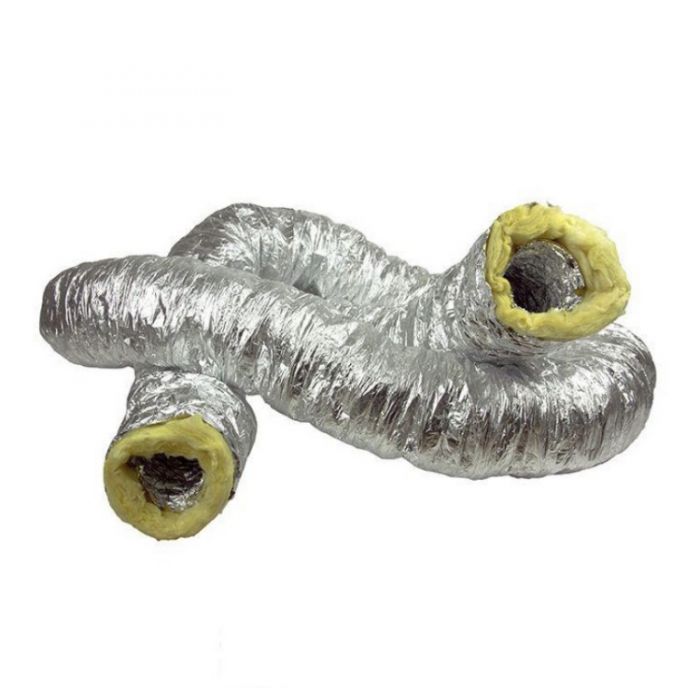
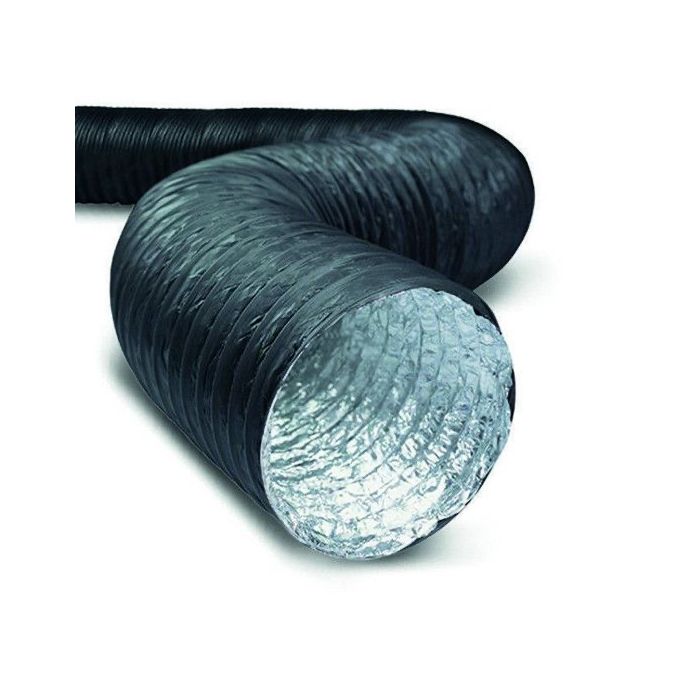
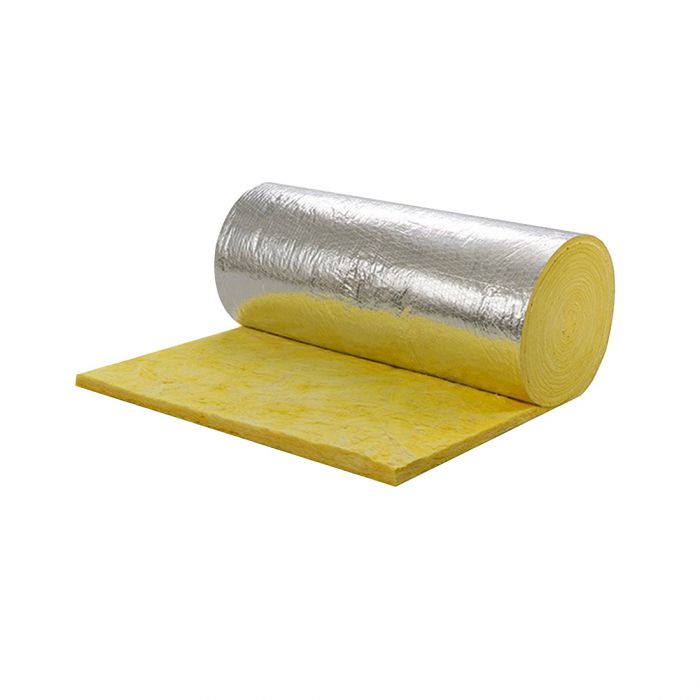
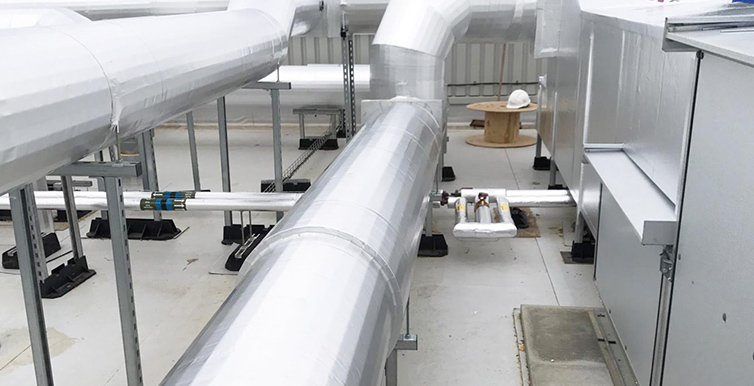
Insulated ducting is essential in maintaining energy efficiency and controlling temperature fluctuations within a hospital’s ventilation system. Insulation helps to minimise heat loss or gain as air travels through the ducts, ensuring that the system operates efficiently and maintains the desired temperature in different areas of the hospital. This is particularly important in areas with sensitive temperature requirements, such as operating rooms and specialised care units. Insulated ducts also help to reduce noise from airflow, contributing to a quieter and more relaxed environment.

Considerations for Selecting Ducting

Choosing the right ducting involves considering factors like the specific needs of different hospital areas, potential exposure to moisture or chemicals, and the overall layout. Proper design and installation are crucial for ensuring the ducting supports optimal airflow and performance while meeting healthcare standards.

At AMS Ducting, we’re here to help you find the perfect ducting solutions for your facility. With our extensive range of options and expert knowledge, we can guide you in selecting the best materials and designs to meet your needs.

The Importance of Regular Maintenance

Regular maintenance is critical for ensuring that air filtration systems operate effectively and continue to meet healthcare standards. In the UK, adherence to specific standards and regulations is not just a matter of compliance; it is fundamental to upholding the safety and integrity of hospital environments.

Compliance with Healthcare Standards

Hospitals must adhere to guidelines established by the NHS and other regulatory bodies, which specify the required performance for air ducting systems. These standards are designed to control the spread of airborne particles and pathogens, making them essential for maintaining a safe healthcare environment. Compliance is rigorously checked during inspections, highlighting the need for hospitals to prioritise these regulations in their maintenance routines.

HTM 03-01: Specialised Ventilation for Healthcare Premises

A key document in the UK for managing air quality in hospitals is HTM 03-01. This guidance provides comprehensive instructions on the design, installation, and ongoing management of air ventilation systems. Adhering to the HTM 03-01 specifications ensures that your systems contribute effectively to infection control and patient safety. Regular maintenance of these systems is vital to uphold the standards set forth in HTM 03-01 and ensure optimal performance.

Maintaining System Efficiency

Accumulated dust and debris can severely impact the performance of air ducting systems. Regular checks and maintenance are necessary to prevent clogging and ensure that all componentsare functioning correctly. Timely replacement of ducts and thorough inspections help avoid system failures, inefficiencies, and costly repairs.

Ducting, in particular, must be regularly inspected for leaks, blockages, and contamination that could compromise air quality. Timely replacement of filters and thorough inspections of ducting help avoid system failures, inefficiencies, and costly repairs.

Cost-Effectiveness and Compliance

Neglecting maintenance can lead to significant issues, including increased operational costs. Although maintenance involves an investment, it is cost-effective in the long run. Well-maintained systems are more energy-efficient and less likely to incur expensive repairs. Additionally, maintaining high air quality helps reduce the risk of infections, further decreasing associated healthcare costs.

Regular maintenance is essential for ensuring that your air filtration systems remain effective, comply with relevant regulations, and contribute to a healthier and safer hospital environment.

Best Practices for Air Duct Cleaning and Replacement

To keep your ducting and ventilation systems running smoothly, develop a consistent air duct cleaning schedule based on manufacturer recommendations and your facility’s specific needs. This should include regular inspections, filter replacements, and duct cleanings, all performed by qualified maintenance staf

Implementing air quality monitoring systems can help detect potential issues early, allowing for prompt corrective action. Additionally, keeping detailed records of all maintenance activities is essential for tracking performance and ensuring compliance with healthcare regulations.

Find Your Ducting Solutions with AMS Ducting

At AMS Ducting, we specialise in providing expert guidance to help you select the most appropriate ducting systems for your healthcare facility. Our team is equipped with extensive knowledge and experience to assist you in evaluating your specific needs and choosing the best ducting solutions to meet those requirements.

We offer a comprehensive range of ducting options, including various materials and designs tailored for different applications within hospital environments. Whether you need durable and hygienic materials, precise installation, or ongoing maintenance, AMS Ducting is here to support you every step of the way.

Let’s explore the options together and find the perfect ducting solution for your facility. Our goal is to ensure that your ventilation system operates at peak performance, providing a safe, comfortable, and efficient environment for both patients and staff.

For personalised advice and to discuss your ducting needs, please contact us. At AMS Ducting, we’re here to help you achieve the best results for your hospital’s air ventilation system.
 

Posted on

Safety Considerations for Using Ducts in Construction

When we talk about construction, ducts might not be the first thing that comes to mind, but they are crucial to the comfort and functionality of any building. Whether it’s HVAC ducts moving air through a building or duct banks protecting vital electrical and communication cables, understanding the safety considerations around their installation is essential. Let’s dive into what you need to know to keep your projects safe and compliant, all while ensuring the systems work as they should.

Understanding Ducts in Construction

So, what exactly are ducts? In the simplest terms, ducts are passages used to transport air, usually as part of a heating, ventilation, and air conditioning (HVAC) system. These can be made from various materials, including sheet metal, fibreglass board, or flexible plastic-and-wire composites. They’re the unseen arteries of a building, making sure that clean air flows where it’s needed and that old or stale air is removed.

In addition to HVAC ducts, we also have something called duct banks. These are not about air at all but are instead used to protect and organise electrical and communication cables. If you’ve ever seen a complex construction project with many cables running underground, there’s a good chance they were bundled into a duct bank for protection.

Choosing the Best Ducts for Safety in Construction

Choosing the right type of duct is not just about functionality—it’s also a critical factor in ensuring safety. Here’s what you should consider when selecting ducts for your construction projects:

Galvanised Steel Ducts: These are a popular choice in the UK for their strength and durability. Galvanised steel is corrosion-resistant, which is particularly important in environments where moisture is a concern. This material is fire-resistant, adding an extra layer of safety, particularly in commercial and industrial buildings.

Aluminium Ducts: Lighter than steel, aluminium ducts are often used where weight is a concern. They are also resistant to corrosion, though not as strong as steel. Aluminium ducts are a good choice for projects where ease of handling and installation is important. However, fire safety measures must still be considered, as aluminium is not as fire-resistant as steel.

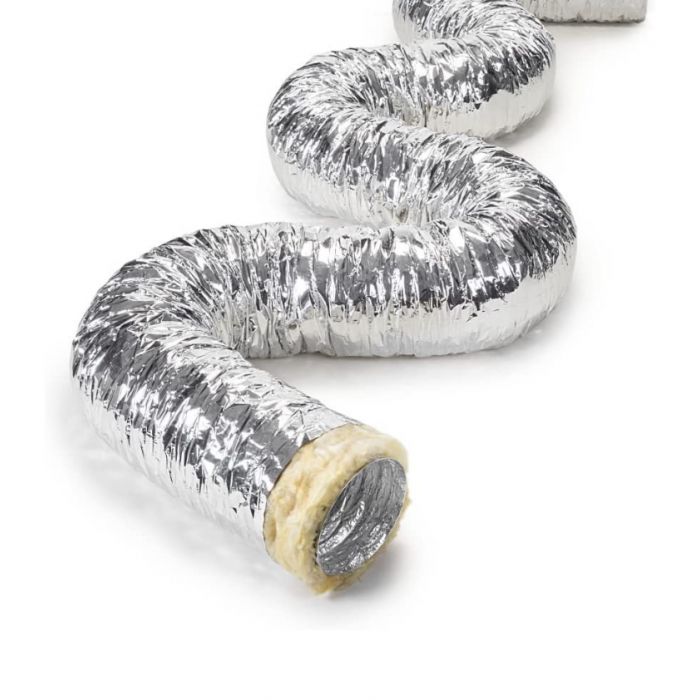
Flexible Ducting (Plastic-and-Wire Composites): Flexible ducts are convenient for navigating tight spaces and irregular layouts. However, their durability and fire resistance are generally lower than those of metal options. When using flexible ducts, ensure they are properly supported and used in environments where their limitations won’t compromise safety.

Potential Safety Hazards with Ductwork

Now, let’s talk about safety. Handling ducts in construction, whether for HVAC systems or as part of a duct bank, comes with its own set of risks. Understanding these can help you avoid accidents and ensure the installation goes smoothly.

Physical Risks: Installing ductwork often involves working with sharp-edged materials, heavy lifting, and sometimes even working at height or in confined spaces. This means there’s a real risk of cuts, strains, and falls if proper care isn’t taken.

Exposure to Harmful Substances: Older buildings, particularly in the UK, might contain hazardous materials like asbestos. Disturbing these during duct installation can release harmful substances into the air. Additionally, dust, mould, and chemical exposure are to be considered, which can pose long-term health risks if not managed properly.

Electrical Hazards: The risks shift slightly with duct banks. Since these are used to protect electrical cables, there’s an inherent danger of electric shock or cable damage, especially if the installation isn’t carried out according to safety standards.

Safety Measures for Duct Installation

Safety on site isn’t just about ticking boxes; it’s about making sure everyone goes home safe at the end of the day. Here are some key precautions to take:

Personal Protective Equipment (PPE): The right PPE is your first line of defence. When working with ducts, gloves, helmets, safety goggles, and respiratory protection are all essential. These will protect you from the physical risks we’ve mentioned, as well as from exposure to harmful substances.

Proper Training and Certification: In the UK, proper training is a must. Workers should be trained not just in the technical aspects of installing ducts but also in the specific risks involved. Certification, such as the Construction Skills Certification Scheme (CSCS) card, is also crucial to ensure that everyone on site has the right knowledge.

Safe Installation Practices: When installing HVAC ducts, make sure they’re handled carefully to avoid damage, secured properly to prevent falls, and sealed tightly to ensure they function efficiently. For duct banks, avoid sharp bends that could damage cables, and always follow the IET Wiring Regulations (BS 7671) to ensure electrical safety.

Inspection and Maintenance: Safety doesn’t stop once the ducts are installed. Regular inspections are essential to catch any issues early, whether it’s a loose duct that could fall or a duct bank that needs repair. Maintenance should also be carried out according to UK regulations, such as those set by the Health and Safety Executive (HSE).

Regulatory Compliance and Standards

Speaking of regulations, it’s important to stay compliant with UK standards. For HVAC ducts, you’ll want to ensure compliance with Building Regulations, particularly Part F, which covers ventilation. This will not only keep your project legal but will also ensure the systems work effectively.

When it comes to duct banks, you need to follow the IET Wiring Regulations (BS 7671). These standards are there to keep everyone safe, and failing to comply can lead to serious consequences, including electrical failures or even fires.

It is also vital to keep detailed records of all safety checks, training, and compliance audits. This documentation isn’t just about covering yourself legally; it’s about ensuring that safety is built into the very fabric of your project.

Reliable Ducting with AMS Ducting

When it comes to ducting and ventilation, don’t compromise on quality or safety. At AMS Ducting, we provide the expertise and products you need to ensure your construction project meets the highest standards. From commercial and industrial systems to residential and kitchen extract systems, our team is here to help you choose the best ducting solutions for your specific requirements.

Contact us today at 0116 278 7676 to discuss your project and learn more about how our products can help you achieve both safety and efficiency in your ducting installations. Let AMS Ducting be your trusted partner in creating safer, more effective construction environments.

Posted on

Energy Efficiency and Noise Reduction with Spiral Ducting in HVAC

Managing a commercial facility or industrial space comes with its fair share of challenges, and one of the biggest is ensuring your HVAC system is up to par. It’s not just about keeping the temperature comfortable; it’s about doing it in a way that’s efficient and creates a pleasant atmosphere for everyone who works, visits, or lives in the space. One crucial aspect of any HVAC system is the ductwork, and the type you choose can truly make a world of difference.

In this article, we’ll explore spiral ductwork, a standout option that excels in energy efficiency and noise reduction. By the end, you’ll understand why this type of ducting might be the perfect fit for your facility’s HVAC system and how it can help alleviate some of the common pain points associated with managing large-scale heating, ventilation, and cooling operations.

What is Spiral Ductwork?

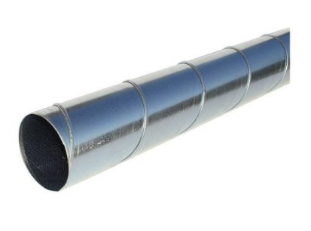
Spiral ductwork, or round ductwork, is a cylindrical form of ducting made by coiling metal strips (typically galvanised steel, aluminium, or stainless steel) into a spiral shape. This ductwork is distinct from the more common rectangular or square duct systems you might have seen. Spiral ducts offer a range of benefits that have made them increasingly popular in various applications, from large-scale industrial installations to trendy modern offices and even residential spaces.

Spiral ducting offers significant advantages in energy efficiency and noise control, addressing critical concerns for HVAC system managers and engineers. This article will delve into how spiral ductwork effectively addresses these issues while providing additional valuable benefits.

Energy Efficiency: Optimising HVAC Performance and Cutting Costs

If you’ve ever had to deal with skyrocketing energy bills, you know how important it is to keep your HVAC system running efficiently. Energy waste in heating and cooling systems is a well-known issue, especially in large commercial buildings, where leaky ducts, inefficient airflow, and equipment can all lead to excessive energy consumption. With energy prices rising and sustainability becoming a priority for many businesses, finding ways to reduce energy waste has never been more urgent.

That’s where spiral ductwork can be a game-changer. Spiral ducts are known for their energy efficiency, which is why more and more facility managers are switching. Let’s explore how this type of ducting can save you energy—and money—in the long run.

1. Minimised Air Leakage

Air leakage is one of the biggest culprits of energy waste in an HVAC system. Studies show that poorly designed or installed HVAC ducting can lose as much as 30% of the air passing through it due to leaks. This is a significant issue in systems with rectangular ductwork, which tend to have more seams and joints where air can escape. More leaks mean your HVAC system has to work harder to maintain temperature levels, leading to increased energy consumption and higher operating costs.

Spiral ductwork, on the other hand, offers a significant advantage in reducing air leakage. The spiral shape means fewer joints and seams than traditional rectangular duct systems. Fewer joints equal fewer opportunities for leaks. Additionally, spiral ducts are often more tightly sealed during installation, and when properly installed, they create a near-airtight system. By minimising air leakage, spiral ductwork ensures that more conditioned air reaches its intended destination—whether cooling down a server room or heating a conference space—without waste.

2. Superior Airflow for Maximum Efficiency

Airflow is another critical factor in determining HVAC energy efficiency. The more smoothly air moves through the ducts, the less strain on your system and the less energy it consumes. With their flat surfaces and sharp corners, rectangular ducts often create turbulence as air passes through. This turbulence can slow the airflow, requiring the system’s fans and blowers to work harder to move the same amount of air. Over time, this extra effort increases wear and tear on the equipment and drives up energy costs.

In contrast, spiral ductwork provides a more streamlined path for air. The smooth, cylindrical design reduces turbulence and friction within the duct system, allowing air to move more freely and efficiently. When air travels more quickly through the ducts, your HVAC system doesn’t have to work as hard to maintain airflow, which can lower energy consumption and prolong the life of your system. Spiral ducts often allow for better airflow even with a smaller diameter than rectangular ducts, meaning they take up less space while delivering the same or even better performance.

3. Space Efficiency and Material Savings

Another often overlooked benefit of spiral ductwork is its ability to handle the same air volume as rectangular ducts using a smaller diameter. Because spiral ducts offer more efficient airflow, you can often install ducts with a smaller cross-sectional area without sacrificing performance. This saves space and reduces the amount of material needed for installation, which can translate to cost savings—both upfront and in the long term.

Spiral ducts can also simplify the installation process by requiring less material and occupying less space. Contractors may spend less time on complex layouts or fittings, which can reduce costs. The smaller ducts also allow for greater flexibility in the design of the HVAC system, as they can be routed more easily through tight spaces.

Noise Reduction: Creating a More Comfortable and Productive Environment

While energy efficiency is a top concern for most facility managers, noise reduction is another pain point that can’t be ignored. HVAC noise can be a significant issue, especially in environments where peace and quiet are crucial—think offices, classrooms, hospitals, or even restaurants. If your HVAC system is too loud, it can negatively impact productivity, concentration, and overall comfort for employees, customers, and visitors. No one wants to work or dine next to a constant hum or a noisy vent.

Spiral ductwork shines here, too. Its design and material properties help create a quieter HVAC system, addressing many common noise issues associated with ductwork.

1. Smooth Airflow Equals Less Noise

One of the main reasons HVAC systems produce noise is turbulence within the ductwork. Air moving through a rectangular duct often hits corners or rough surfaces, creating noise as the airflow becomes more chaotic. This turbulence often leads to the whistling, rattling, or whooshing sounds you may hear in an office or commercial space.

Spiral ducts, with their round shape, significantly reduce this turbulence. The smooth, continuous surface allows air to flow through more naturally, cutting down on the noise caused by sudden changes in direction or velocity. Simply put, less turbulence equals less noise. This smoother airflow helps create a quieter HVAC system, particularly beneficial in noise-sensitive environments like libraries, classrooms, or healthcare facilities.

2. Structural Integrity Reduces Vibration Noise

Another common source of noise in ductwork systems is vibration. Air moving through the ducts can cause the metal to vibrate, producing a low-level hum or rattle. This is especially true with rectangular ducts, which tend to be less rigid and more prone to movement when air is forced through them.

Spiral ducts, however, are naturally more structurally sound due to their cylindrical shape. This built-in rigidity means they’re less likely to vibrate as air moves through, which helps minimise the buzzing or rattling noise that often accompanies other types of ductwork. Additionally, because spiral ducts have fewer joints and seams, there are fewer opportunities for vibration to occur at connection points, further reducing noise levels.

3. Enhanced Soundproofing with Insulation

If noise control is a top priority, spiral ducts also lend themselves well to additional soundproofing measures. These ducts can be easily insulated to provide an extra layer of noise reduction. Insulating ductwork helps dampen the sound of air moving through the system while preventing any noise from escaping through the metal. This is particularly useful in environments like theatres or high-end restaurants, where ambience is critical, and any mechanical noise would be distracting.

The insulation also has the added benefit of increasing energy efficiency. By keeping the conditioned air inside the duct system at the desired temperature, insulation reduces the amount of energy needed to maintain consistent heating or cooling. So not only does the insulation help with noise reduction, but it also helps you save even more on energy costs.

Other Benefits of Spiral Ductwork

In addition to energy efficiency and noise reduction, spiral ductwork offers several other advantages that make it a smart choice for modern HVAC systems. Here are a few more reasons why spiral ducts might be the right fit for your facility:

1. Aesthetic Appeal

One of the reasons spiral ducts have gained popularity in recent years is their aesthetic appeal. In spaces where the ductwork is left exposed—such as in modern office designs, retail spaces, or industrial-style restaurants—spiral ducts offer a sleek, polished look. Their smooth, cylindrical shape can add to the overall design of the space, giving it a clean, contemporary feel.

In contrast, rectangular ducts can look bulky and unfinished when exposed. With spiral ducts, you can achieve a more streamlined look that complements your facility’s architectural style. This is particularly true in open-ceiling designs, where ductwork is part of the overall visual experience.

2. Easier Installation and Maintenance

Another benefit of spiral ductwork is that it’s often easier to install and maintain than its rectangular counterparts. Spiral ducts are typically lighter and more flexible, which can simplify the installation process. Their round shape also makes it easier to fit them into tight spaces or around obstacles, reducing the need for complex fittings or custom fabrication.

Once installed, spiral ducts are generally easier to maintain. Their smooth interior surface makes them less prone to dust and debris buildup, improving air quality and reducing the need for frequent cleaning. Unlike rectangular ducts, which can trap dust in corners and seams, spiral ducts allow for more efficient airflow, preventing particles from settling inside the system.

Additionally, because spiral duct systems have fewer joints and seams, there are fewer opportunities for leaks or cracks to form over time. This means you’ll likely spend less time and money on repairs and maintenance. Should any issues arise, identifying and fixing problems in a spiral duct system is typically more accessible and faster, reducing downtime and disruptions to your facility’s operations.

When Does It Make Sense to Choose Spiral Ducting?

Now that we’ve explored spiral ductwork’s benefits in energy efficiency, noise reduction, aesthetics, and ease of installation and maintenance, you might be wondering whether this option is suitable for your facility. While spiral ducts offer many advantages, it’s essential to consider the specific needs of your building and HVAC system to make the best decision.

Larger Spaces with High Airflow Demands

Spiral ductwork is particularly well-suited for large commercial or industrial spaces where high volumes of air need to be moved efficiently. Manufacturing facilities, warehouses, schools, and office buildings benefit from the improved airflow and energy efficiency spiral ducts provide. These ducts can handle significant air volumes while maintaining smooth, turbulence-free airflow, which is critical in large spaces with varying temperature control requirements.

Facilities Concerned with Noise Reduction

Spiral ductwork is an excellent choice if your facility requires a quieter environment—such as in hospitals, libraries, or offices. The natural noise-reducing properties of spiral ducts and the option to add insulation for extra soundproofing make them ideal for spaces where excessive HVAC noise could be a distraction or a nuisance. Spiral ducts help maintain a more peaceful, productive environment with fewer vibrations and smoother airflow.

Exposed Ductwork in Aesthetic Designs

Spiral ducts offer an aesthetic advantage for spaces where the ductwork will be visible. If your building’s design features exposed ceilings, such as in modern offices, cafes, or retail stores, spiral ducts provide a clean, streamlined look that enhances the overall design. Their cylindrical shape and polished finish make them a functional part of the building’s visual appeal, seamlessly blending form and function.

Facilities Looking to Improve Energy Efficiency

Finally, spiral ducts are a strong choice for facilities aiming to improve energy efficiency and reduce costs. Suppose your building’s HVAC system is responsible for high energy bills, or you’re trying to meet sustainability goals. In that case, the reduced air leakage and superior airflow of spiral ducts can significantly lower your energy consumption. With fewer leaks and less turbulence, your HVAC system can operate more efficiently, using less energy to achieve the same level of performance.

How to Get the Most Out of Your Spiral Duct Installation

If you decide that spiral ductwork is the right choice for your facility, there are a few key factors to remember to ensure you get the most out of your installation. Here’s what to consider during the planning and installation phases:

Choose the Right Duct Material

Spiral ducts are available in several materials, including galvanised steel, aluminium and stainless steel. The best material for your facility will depend on the specific needs of your environment. For instance, stainless steel may be the best option in highly corrosive or high-humidity environments. In contrast, galvanised steel is a durable, cost-effective choice for most standard commercial and industrial applications.

Ensure Proper Sealing and Installation

Even though spiral ducts are designed to minimise air leakage, proper installation, and sealing are still essential. Working with experienced HVAC contractors who understand how to seal and join spiral ducts correctly will help prevent air loss at the joints or connections, maximising the system’s energy efficiency.

Consider Insulation for Added Efficiency and Noise Reduction

If noise reduction is a top priority or your facility operates in extreme temperatures, consider adding insulation to your spiral ductwork. Properly insulated ducts will help reduce noise levels further and improve the system’s energy efficiency by maintaining consistent air temperatures throughout the duct network.

Regular Maintenance for Longevity

While spiral ducts are generally low maintenance, scheduling regular inspections and cleanings is vital to keep your system operating at peak performance. By preventing dust buildup and ensuring there are no air leaks or blockages, you can extend the lifespan of your HVAC system and avoid costly repairs down the road.

Upgrade to Spiral Ductwork with AMS Ducting

By investing in spiral ductwork, you can create a more efficient, comfortable, and cost-effective HVAC system that meets your facility’s needs while minimising operational expenses. Whether managing a busy office building, a quiet library, or a large scale industrial warehouse, spiral ducts can help you achieve your energy efficiency goals and provide a better environment for everyone in your space.

At AMS Ducting, we take pride in providing high-quality spiral ductwork that’s tailored to your facility’s unique needs. Our experienced team is here to help you every step of the way. We understand that choosing the right ducting can be time-consuming, so we’ll take the time to listen to your requirements and guide you to the perfect fit for your HVAC system. With us, you can feel confident that you’re making the best choice for your space.

Contact us today to chat about your project and see how our spiral ductwork can improve your facility’s HVAC system. Whether you have questions, need some advice on the best options for your space, or just want to check out what we offer, our team is here to help.

Posted on

How to Disguise Spiral Ductwork in Commercial Building Designs

At AMS Ducting, we know that designing a commercial space isn’t just about making it functional—it’s about creating an environment that people want to spend time in. Whether you’re working on a trendy restaurant, a sleek office space, or a busy hospital, it’s essential to find ways to balance practicality with aesthetics. One common challenge we hear from customers is how to manage visible ductwork, especially spiral ducting, which is often a necessary part of an efficient HVAC system but can disrupt the look of a carefully designed space.

Spiral ductwork is highly efficient and great for distributing air, but its industrial look doesn’t always align with modern design preferences. Fortunately, there are several creative and practical ways to integrate or even disguise ductwork, ensuring your space remains inviting and visually pleasing while still functional. In this blog, we’ll share strategies that will help you hide or enhance your spiral ducting while maintaining the HVAC system’s efficiency, so your space not only looks great but works even better.

Understanding Spiral Ductwork

Before we dive into the design side, let’s talk about why spiral ductwork is such a popular choice in commercial buildings. At AMS Ducting, we often recommend spiral ducts because they are durable, cost-effective, and provide excellent airflow. Their cylindrical design reduces air resistance, which can help lower energy costs—a huge benefit in large commercial spaces.

However, as great as spiral ducts are for air circulation, their exposed, metal surface can sometimes clash with the warm, welcoming environments you’re trying to create, especially in spaces like cafés, offices, and high-end retail stores.

First impressions are everything, especially in a commercial setting. Whether you’re designing a shop, a restaurant, or a healthcare facility, the environment should be appealing and reflect the brand or purpose of the space. Exposed ductwork, while functional, can sometimes break up the flow or feel too industrial, and that’s not always what you want for every space. For example, imagine a spa with visible ducts—it just wouldn’t feel right, would it?

At AMS Ducting, we’ve worked with many designers and business owners who face this dilemma. The good news is, with the right approach, you can make sure that your ducting is either cleverly hidden or intentionally integrated into the design without compromising on efficiency.

Design Strategies for Disguising Spiral Ductwork

Use Ceiling Space Wisely

One of the most effective ways to hide ductwork is by using the ceiling space smartly. Installing a false ceiling or soffit is a popular method, and it’s one we often suggest to customers working on modern office spaces or even retail environments. A false ceiling allows you to conceal spiral ducts while maintaining easy access for maintenance.

What’s great about this approach is that false ceilings can be designed to add character to your space. Whether you’re going for a sleek, minimalistic look or something more textured, the ceiling can become part of the design story. And by incorporating features like recessed lighting or decorative ceiling tiles, you can draw attention away from the ductwork and focus more on the ambiance. We’ve seen this technique work wonders in office buildings, where the design needs to be both professional and comfortable for long hours of work.

Incorporate Ductwork into Architectural Features

We’ve seen some creative solutions where designers integrate spiral ducts into existing architectural features. For example, you can conceal ductwork within columns, arches, or even behind decorative wall panels. Not only does this help to hide the ducts, but it also allows you to maintain the building’s structural and aesthetic integrity.

Some of our customers working on restaurant interiors have found success in hiding ducts within support beams or using custom moldings to frame the ductwork, making it part of the overall design. With this approach, you’re turning what could be an eyesore into an intentional design feature. And of course, we can supply the right ducting parts to ensure this blend works seamlessly in your project.

Choose Decorative Duct Covers

When completely hiding the ductwork isn’t feasible, decorative duct covers can be an excellent option. We’ve worked with several businesses where the ductwork remains exposed, but by adding custom covers, the ducts actually enhance the design instead of disrupting it. Decorative duct covers come in a variety of finishes, including wood, metal, or even fabric, and can be tailored to fit your commercial space’s look.

For example, in restaurants, we’ve seen rustic wood covers work beautifully with a farm-to-table theme, while sleek metallic covers are often perfect for high-tech office environments. 

Embrace an Industrial Aesthetic

For some businesses, like restaurants, breweries, or creative office spaces, embracing the industrial look can be the best design choice. Instead of hiding the ducting, you can highlight it by pairing it with raw materials like exposed brick, polished concrete, and reclaimed wood. At AMS Ducting, we’ve supplied spiral ductwork for projects that specifically lean into this industrial style, and it’s amazing how effective it can be when done right.

In these cases, the ductwork itself becomes a design feature, adding character and uniqueness to the space. And by working with us, you can ensure that even though the ducts are on display, they’re efficiently supporting the space’s heating and cooling needs without being intrusive.

Modular Solutions

Modular ceiling systems are a smart way to hide ductwork while keeping things flexible for future updates. These systems use interchangeable panels that are easy to rearrange or replace, giving you the freedom to adapt the design as needed.

By choosing panels that match your space’s style while still allowing easy access for maintenance, you get both function and aesthetics. This flexibility is especially valuable in commercial spaces, where HVAC systems might need adjustments down the line, ensuring your ceiling remains both practical and visually appealing over time.

Creative Lighting Solutions

Lighting can work wonders when it comes to shifting attention away from ductwork. By placing lights strategically, you can enhance the overall atmosphere while making the ducting fade into the background. For example, recessed lighting along the edges of a ceiling creates a soft, welcoming glow that highlights the room’s best features, drawing eyes away from the ducting.

You can also use accent lighting to focus on artwork or architectural elements, further pulling attention from the ducts. With the right lighting, it’s easy to create a space that feels both dynamic and inviting, where ductwork becomes an afterthought rather than a focal point.

Consult Professionals

Finally, one of the best approaches to disguising ductwork is collaborating with professionals specialising in HVAC design and interior architecture. Working with experts can provide valuable insights into effectively integrating ductwork into your design without compromising functionality.

Professionals can recommend tailored solutions that meet your space’s unique needs while enhancing its overall aesthetic. By partnering with experienced designers and engineers, you can unlock innovative design strategies that create cohesive and appealing commercial environments.

Balancing Aesthetics and Functionality

While aesthetics are vital in commercial building design, it’s essential to remember that ductwork is crucial to the building’s overall functionality. The goal should be to create a balance where the ducting is effectively concealed without compromising airflow, maintenance access, or energy efficiency.

The Importance of Ductwork in Commercial Spaces

Spiral ductwork is essential for creating comfortable, efficient, and healthy commercial spaces. Properly designed systems regulate temperature, improve air quality, and enhance energy efficiency, making a significant difference in day-to-day operations. Let’s explore how ducting helps solve common challenges in commercial environments.

Temperature Regulation and Comfort

Ductwork plays a vital role in regulating temperature throughout a building, ensuring heated or cooled air is distributed evenly. In commercial spaces like restaurants or offices, this is critical for maintaining a comfortable environment. Uneven temperature control can lead to hot or cold spots, making customers uncomfortable or reducing employee productivity. A well-functioning system prevents these issues, ensuring consistent airflow and comfort throughout the space.

Air Quality and Health

In high-traffic commercial spaces, air quality is another key concern. Ductwork helps circulate clean air, preventing the buildup of dust, allergens, and pollutants. This is especially important in environments like hospitals, retail stores, and offices, where poor air quality can affect occupant health. Spiral ducting is particularly effective, as its smooth surface reduces dust accumulation and improves airflow, promoting healthier indoor environments.

Energy Efficiency and Cost Savings

Proper duct design ensures energy efficiency by reducing air resistance and strain on the HVAC system. Poorly designed or leaking ducts can cause higher energy bills and shorter system lifespans. At AMS Ducting, our spiral ducts offer superior airflow efficiency, helping businesses lower energy costs while maintaining optimal system performance. This not only supports sustainability efforts but also provides long-term cost savings for commercial spaces.

Before implementing any design solution, ensure that it won’t hinder the performance of the HVAC system. Proper airflow is critical for maintaining indoor comfort, so any concealment method should allow for adequate ventilation. Additionally, it’s essential to guarantee easy access to ductwork for repairs or maintenance to avoid challenges when it comes time for servicing.

Find your Ducting Solutions at AMS Ducting

At AMS Ducting, we understand the importance of finding the right ducting solutions for your commercial projects. We supply a full range of high-quality ducting parts, including spiral ducting, ensuring you have everything you need to design a system that is efficient, durable, and easy to integrate into your space. With our wide selection of components, you can seamlessly incorporate ductwork into any environment, whether you’re working on a small retail space or a large commercial building.

We’re here to support you throughout the design and installation process, providing expert advice and top-quality products to ensure your project runs smoothly. Get in touch with us today to learn more about how our ducting solutions can help you create a space that looks great and performs even better.