






What is Ducting? A Complete Guide

Ducting plays a vital role in ventilation and extraction systems, helping to keep your environment free from airborne pathogens. From regulating airflow and temperature to removing hazardous dust and fumes, ducting supports your ventilation, making your workplace cleaner and safer.
In this guide, we explain what ducting is, how it works, the different types and materials available and how to choose the right ducting system for your application. Whether you are designing a new ventilation setup or upgrading an existing system, understanding ducting fundamentals is essential for long-term performance and compliance.
What is Ducting?
Ducting refers to the network of channels or pipes used to transport air, fumes, dusts and gases from one location to another. It forms a core part of ventilation, HVAC and extraction systems, enabling controlled airflow throughout a building or workspace.
By directing air efficiently, ducting helps remove contaminants, manage heat, reduce condensation and improve overall air quality. Well-designed ducting systems also reduce pressure loss, improve energy efficiency and support compliance with health and safety requirements.
What is Ducting Used For?

Ducting is used across a wide range of industries and environments, including:
- General ventilation and air circulation
- Dust and fume extraction
- Removal of heat, moisture and airborne pollutants
- Air supply and exhaust in HVAC systems
Ducting is commonly found in warehouses, factories, workshops, commercial kitchens, laboratories and plant rooms. In each case, the ducting system is designed to suit the needs of the industry, catering for airflow demands, space constraints and environmental conditions.
Types of Ducting Systems:
Ducting systems consist of two different types: Rigid and Flexible; each of these being suitable for different demands and environments. Although sometimes used in unison, it’s important to understand the differences to ensure you are choosing the appropriate ducting type.
Rigid Ducting
Rigid ducting is manufactured from solid materials and often supplied in fixed lengths. It is commonly used in permanent installations where airflow efficiency and durability are priorities.
Rigid ducting offers smooth internal surfaces, which reduce air resistance and improve system performance. It is widely used in industrial ventilation systems, extraction lines and large-scale commercial environments.

Flexible Ducting
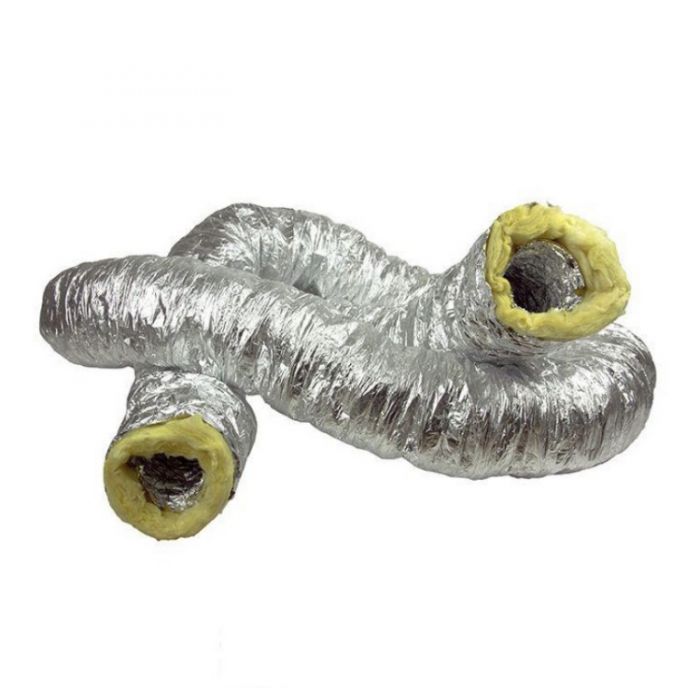
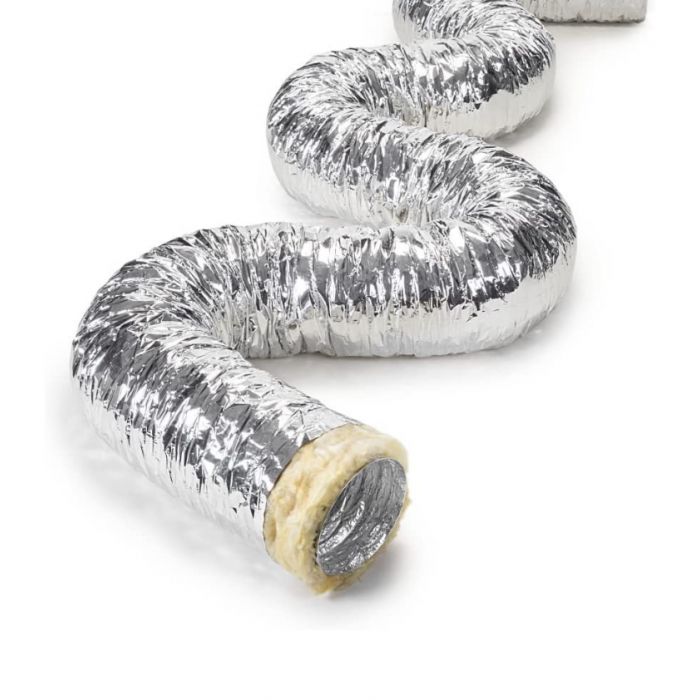
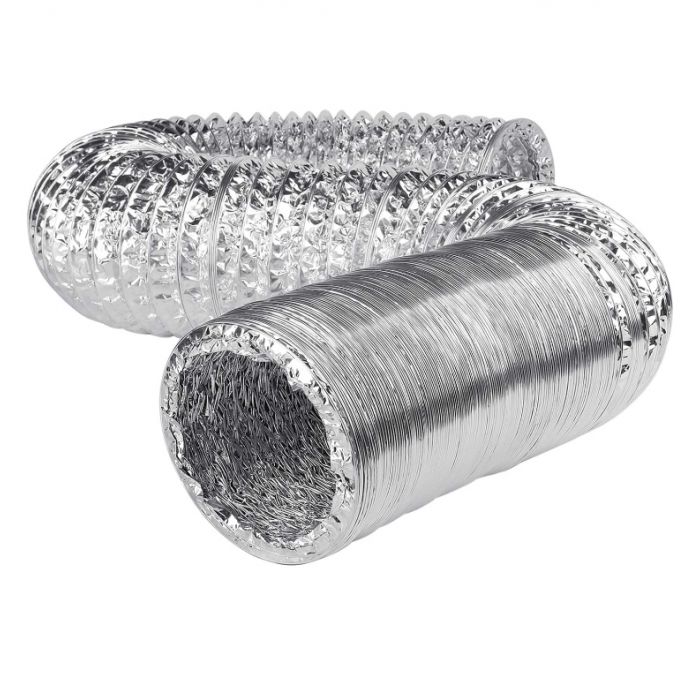
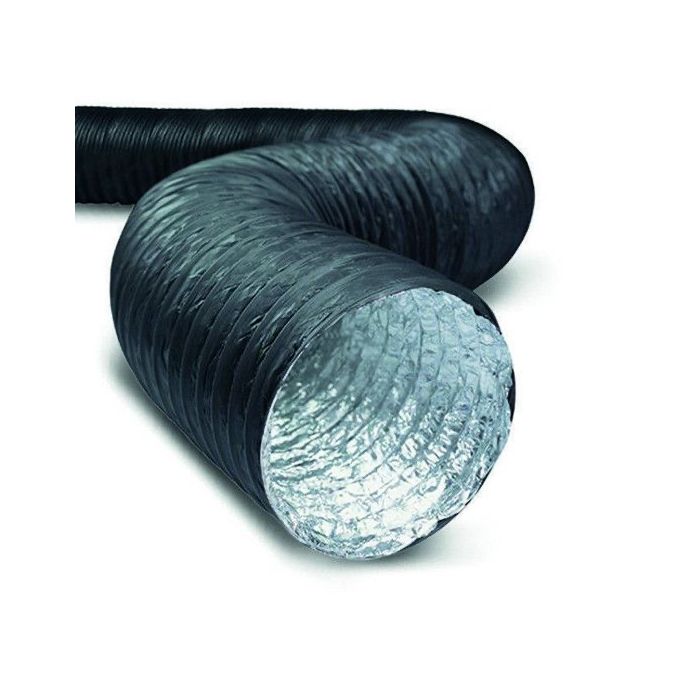
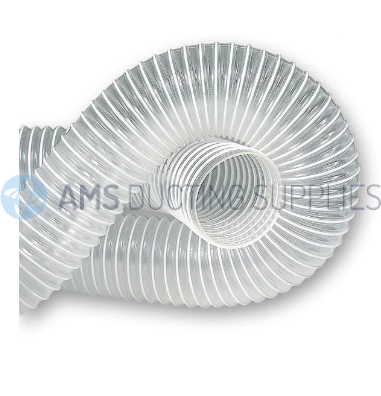
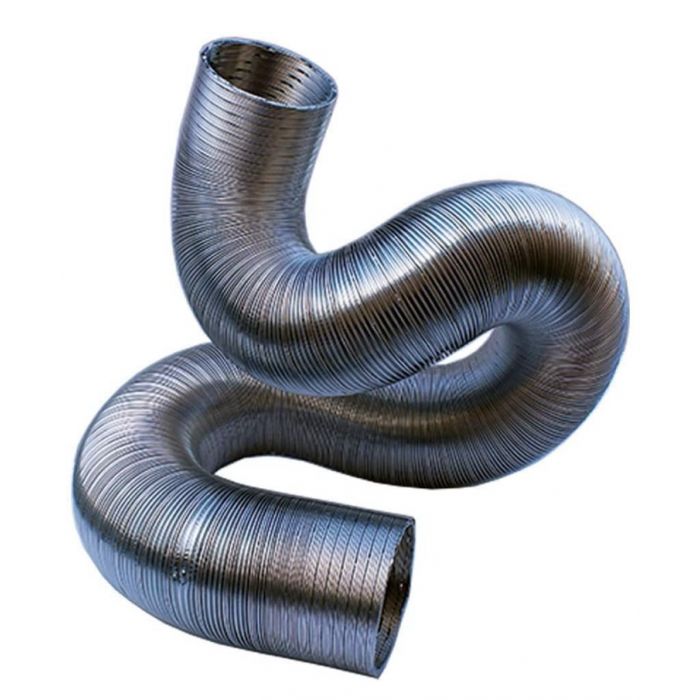
Flexible ducting is lightweight and bendable, making it ideal for installations where space is limited or where routing needs to change direction frequently.
It is often used for short connections, equipment link-ups or retrofit projects. While flexible ductwork is easy to install, it is typically less efficient than rigid ducting over longer distances due to increased airflow resistance.

Common Ducting Materials:
Galvanised Steel
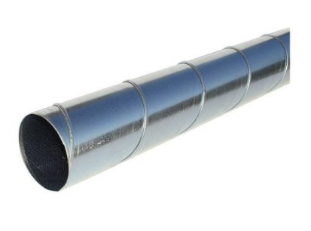
Galvanised steel ducting is one of the most popular choices for industrial and commercial systems. It offers excellent strength, corrosion resistance and fire performance, making it suitable for demanding and high-airflow environments.
Plastic
Plastic ductwork is lightweight, corrosion-resistant and easy to handle. It is commonly used in light commercial and domestic ventilation systems where temperatures and pressures are lower.
Aluminium
Aluminium ducting is often used in flexible formats and is well suited to applications involving heat or restricted spaces. Its reflective properties and flexibility make it ideal for specific ventilation and extraction uses such as workshop dust extraction.
Ducting Sizes, Shapes and Configurations

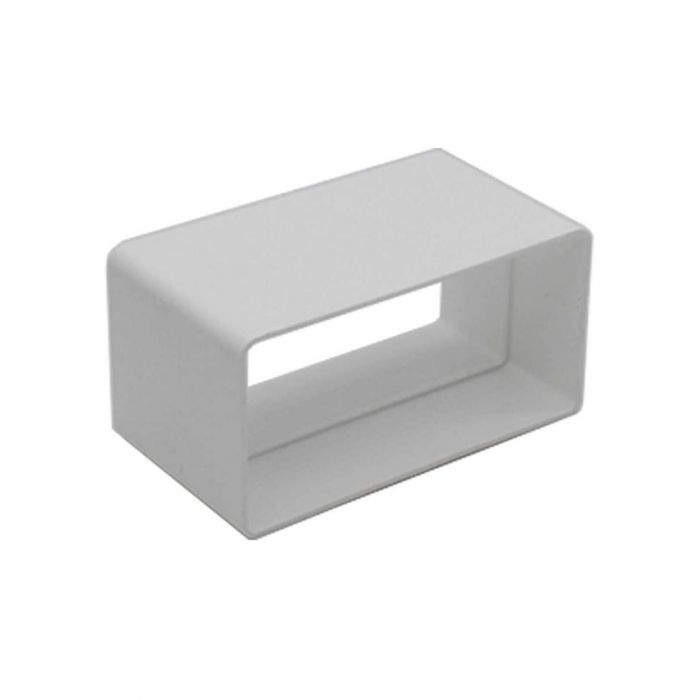
Ducting systems are available in spiral and rectangular profiles, each offering different performance benefits. Spiral ductwork typically provides better airflow efficiency and improved durability, while rectangular ductwork is often used in more compact spaces that require a low-profile solution.
Having the correct ducting size is critical to performance. Undersized ducting can restrict airflow and overload fans, while oversized ducting may reduce air velocity and efficiency. Proper sizing ensures balanced airflow, lower energy consumption and longer system lifespan.
How to Choose the Right Ducting
Selecting the correct ducting system depends on several key factors:
- Required airflow volume and pressure
- Type of air being moved (clean air, dust, fumes or heat)
- Operating environment and temperature
- Available installation space
- Compliance with industry and safety standards
By considering these factors early, you can avoid performance issues and costly modifications later. At AMS Ducting Supplies, our team of experts are always on hand to help discuss your ducting requirements to ensure your system works efficiently.
Common Ducting Components and Accessories
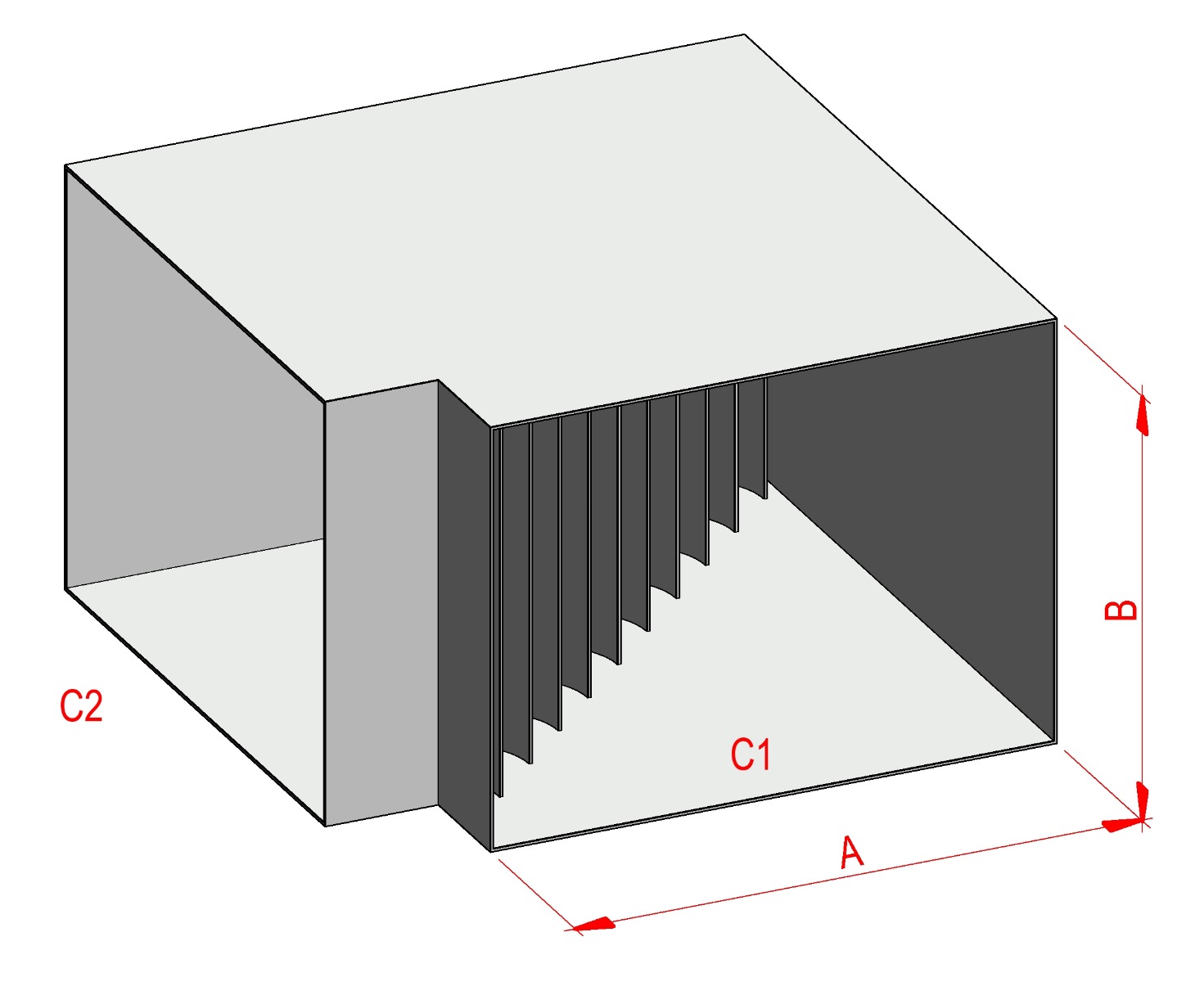
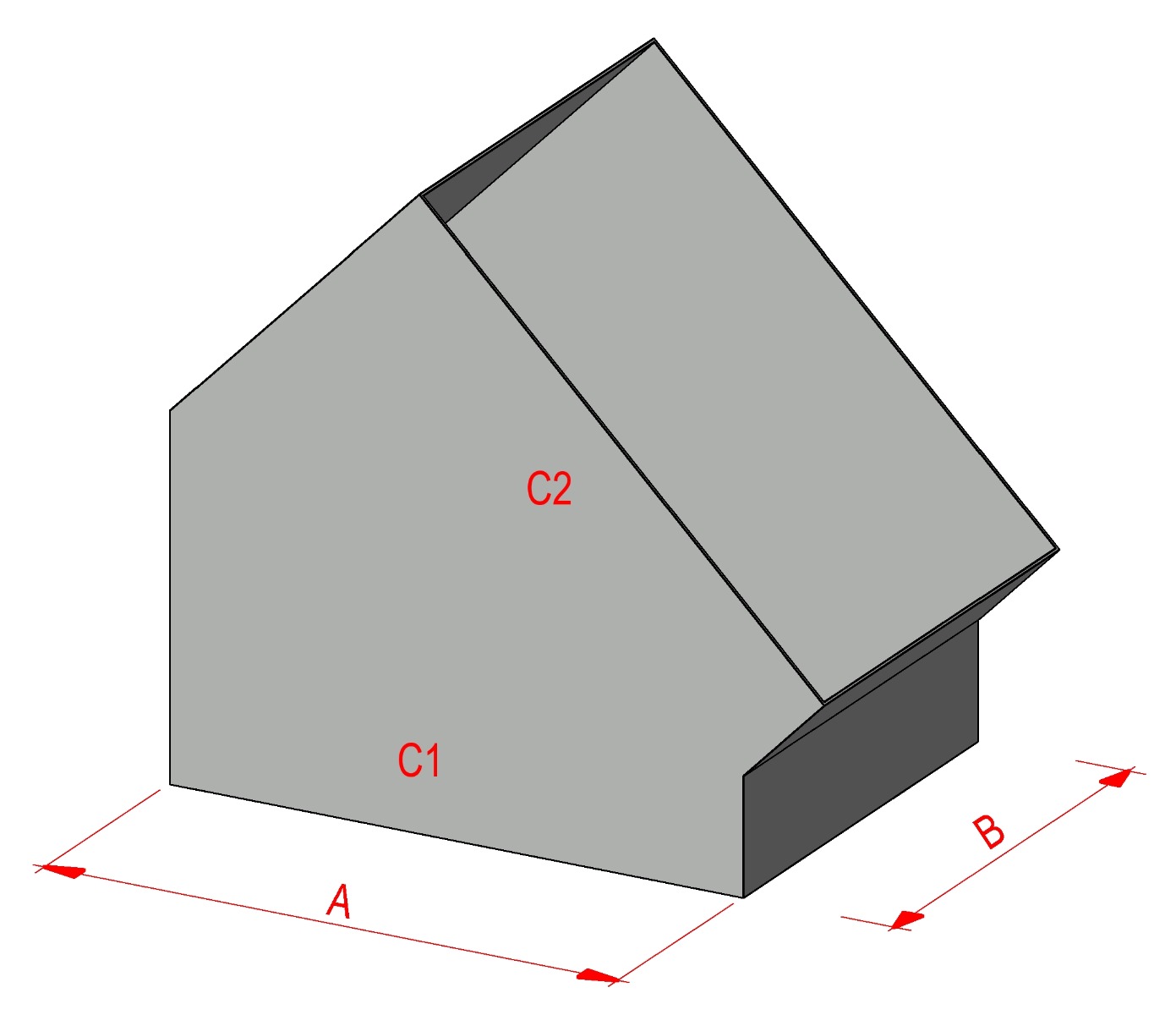
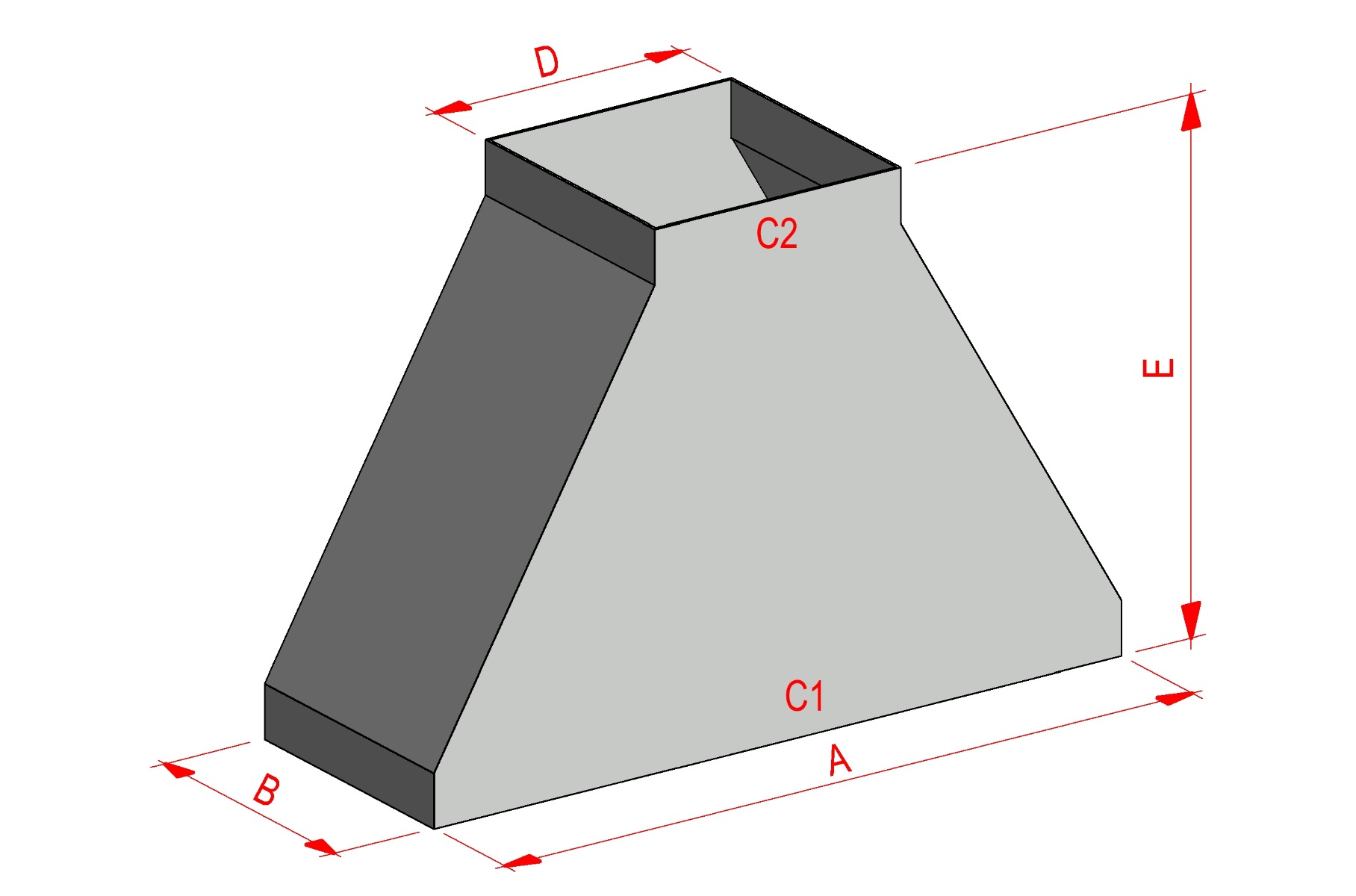
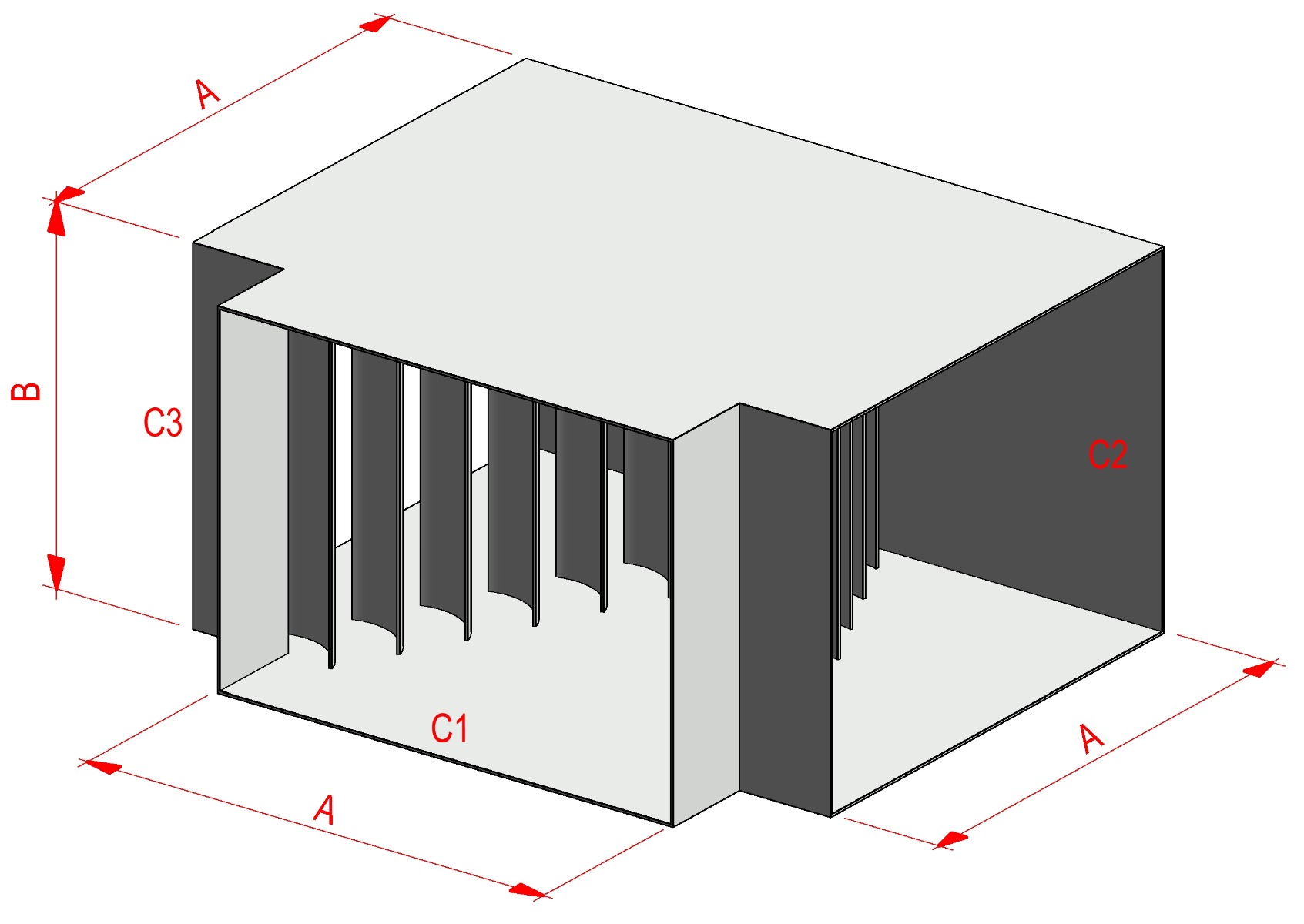
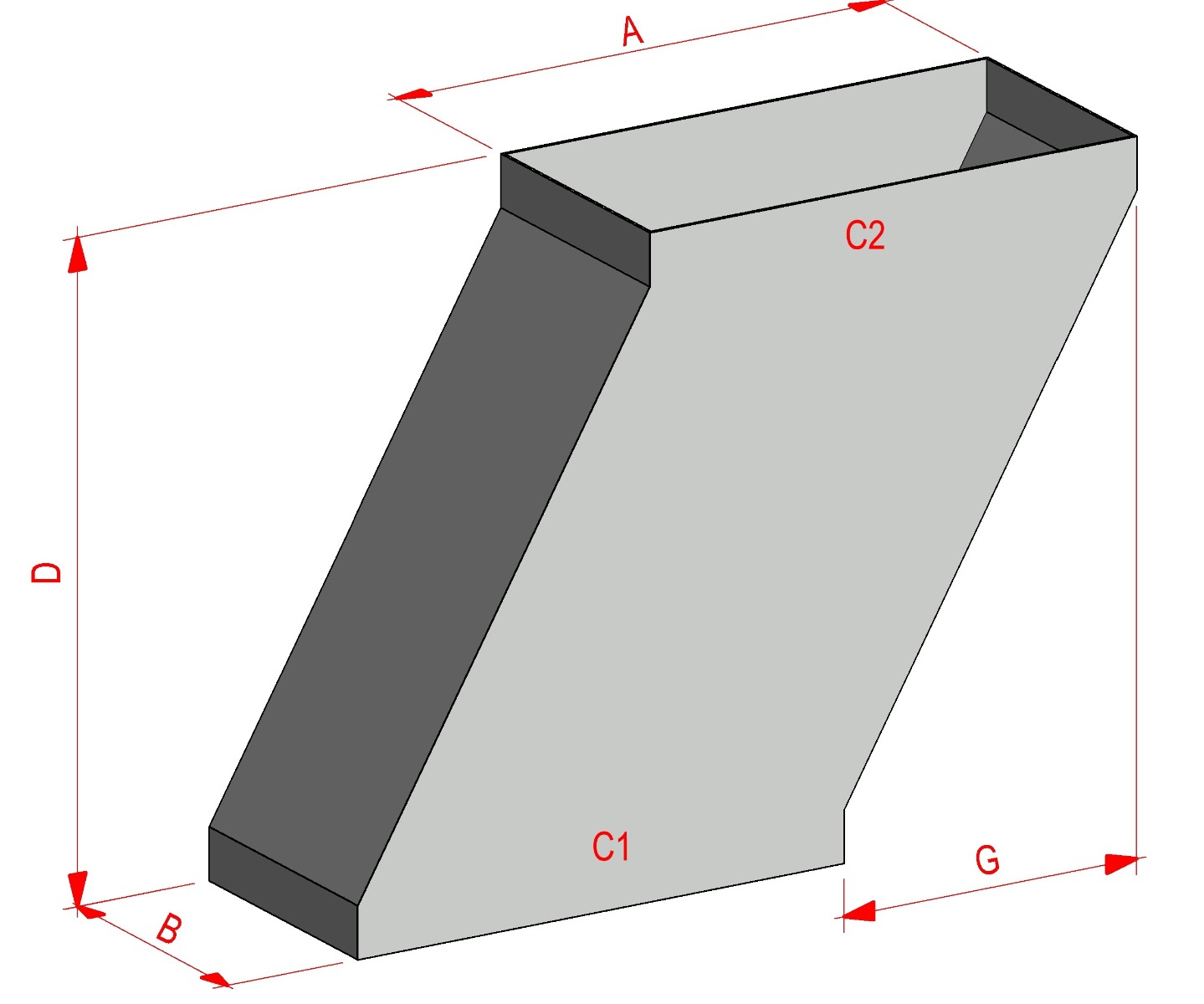
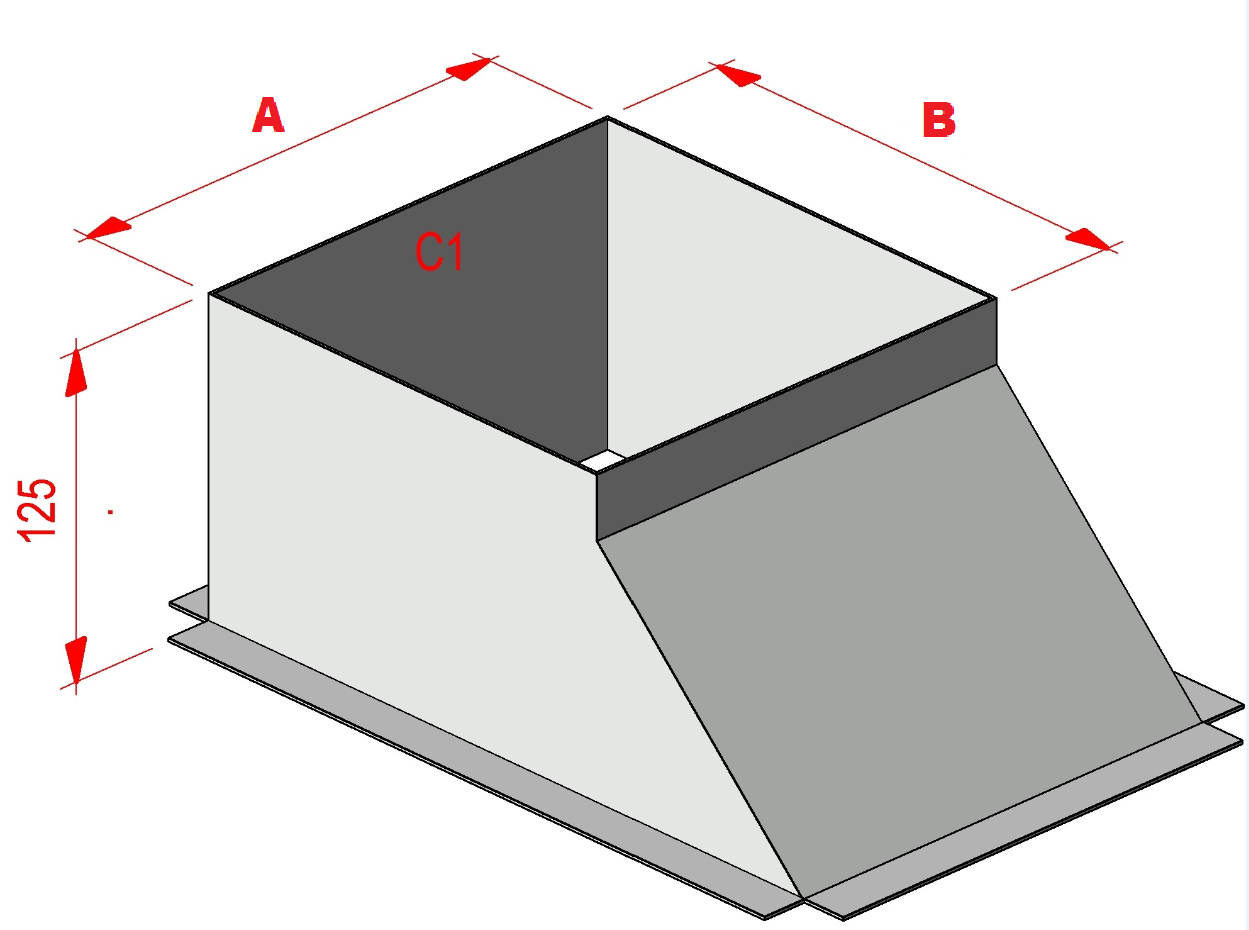
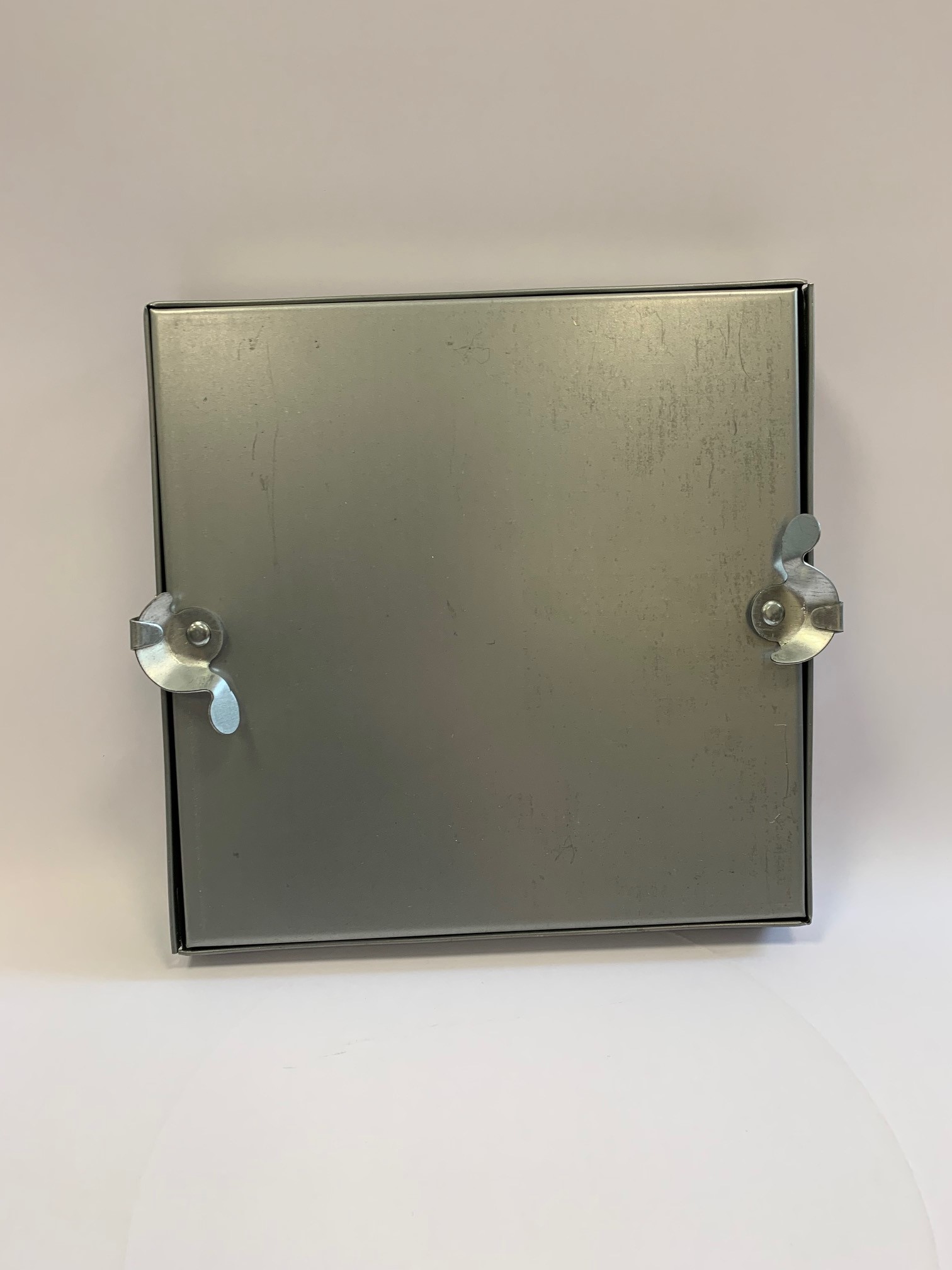
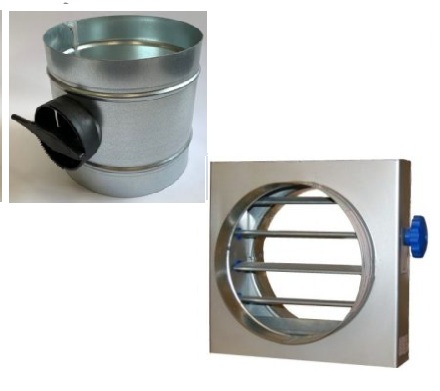
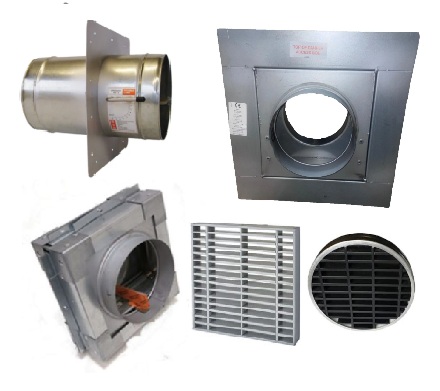
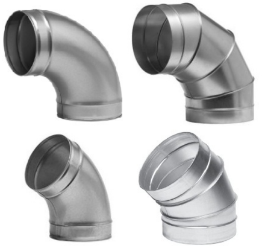
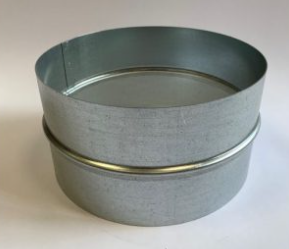
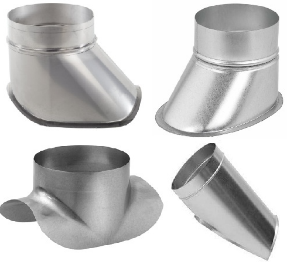
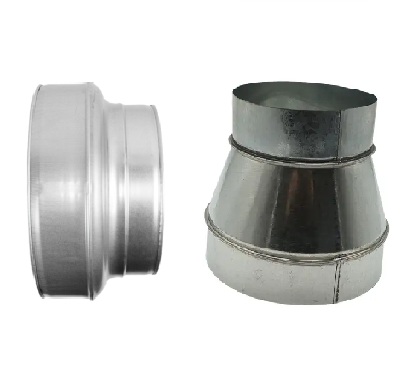
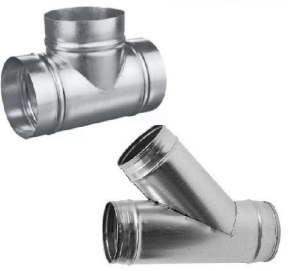
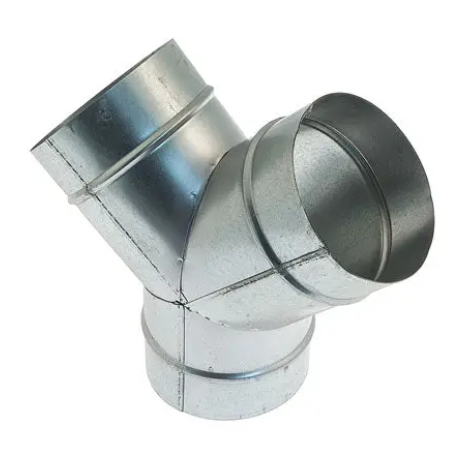
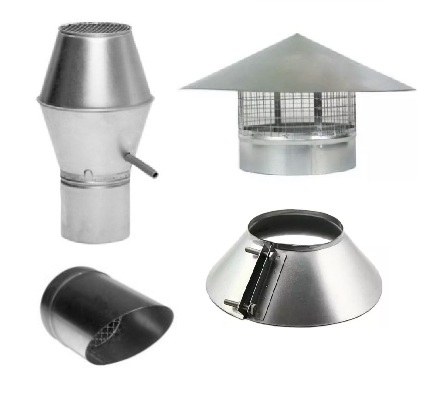
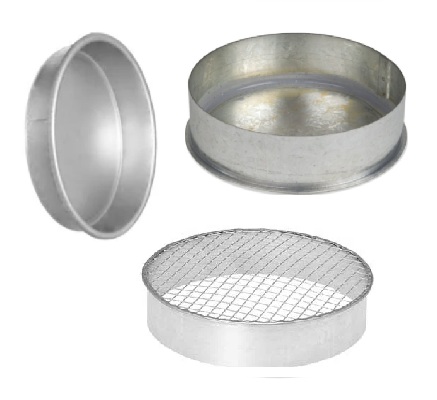
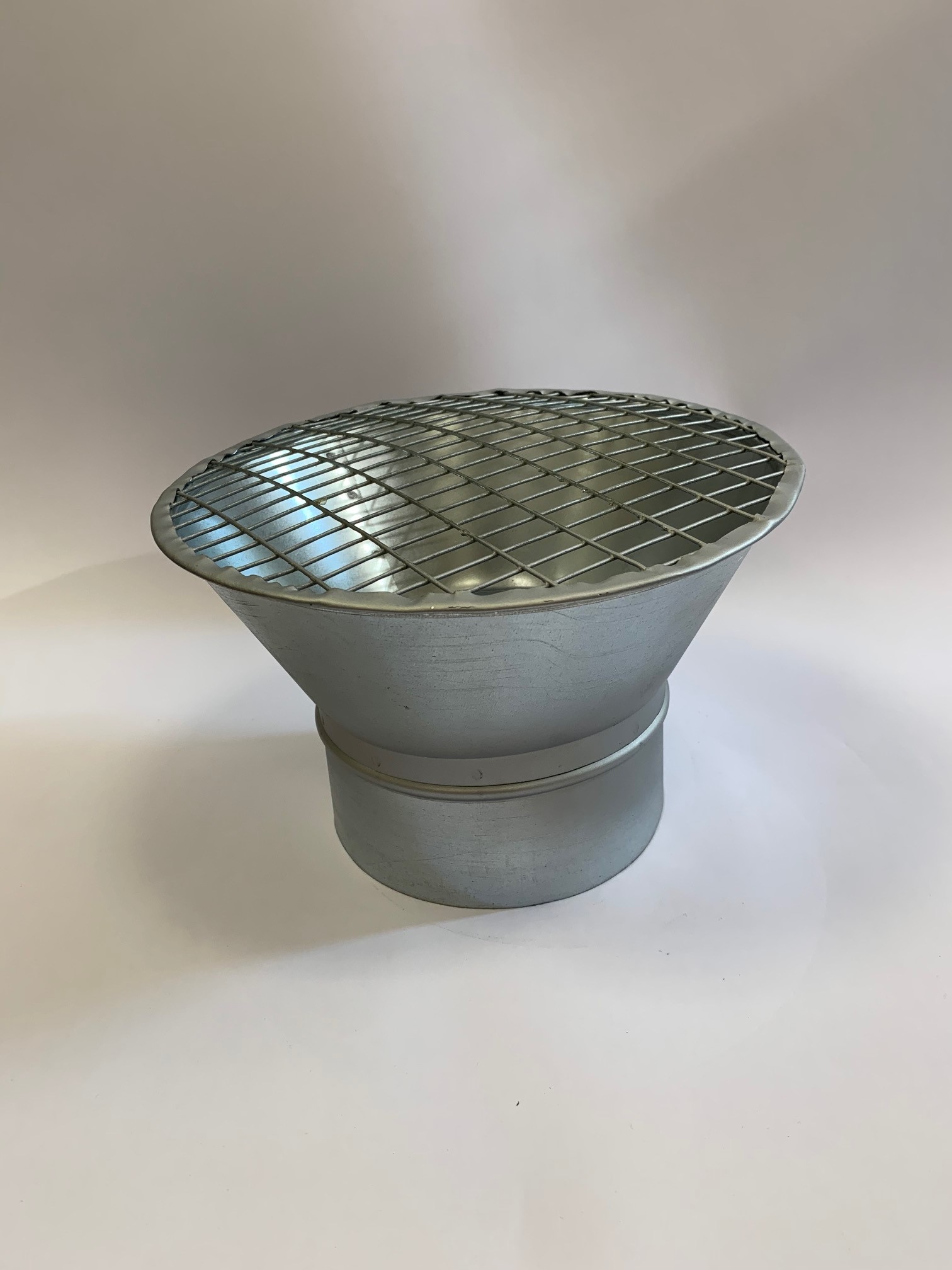
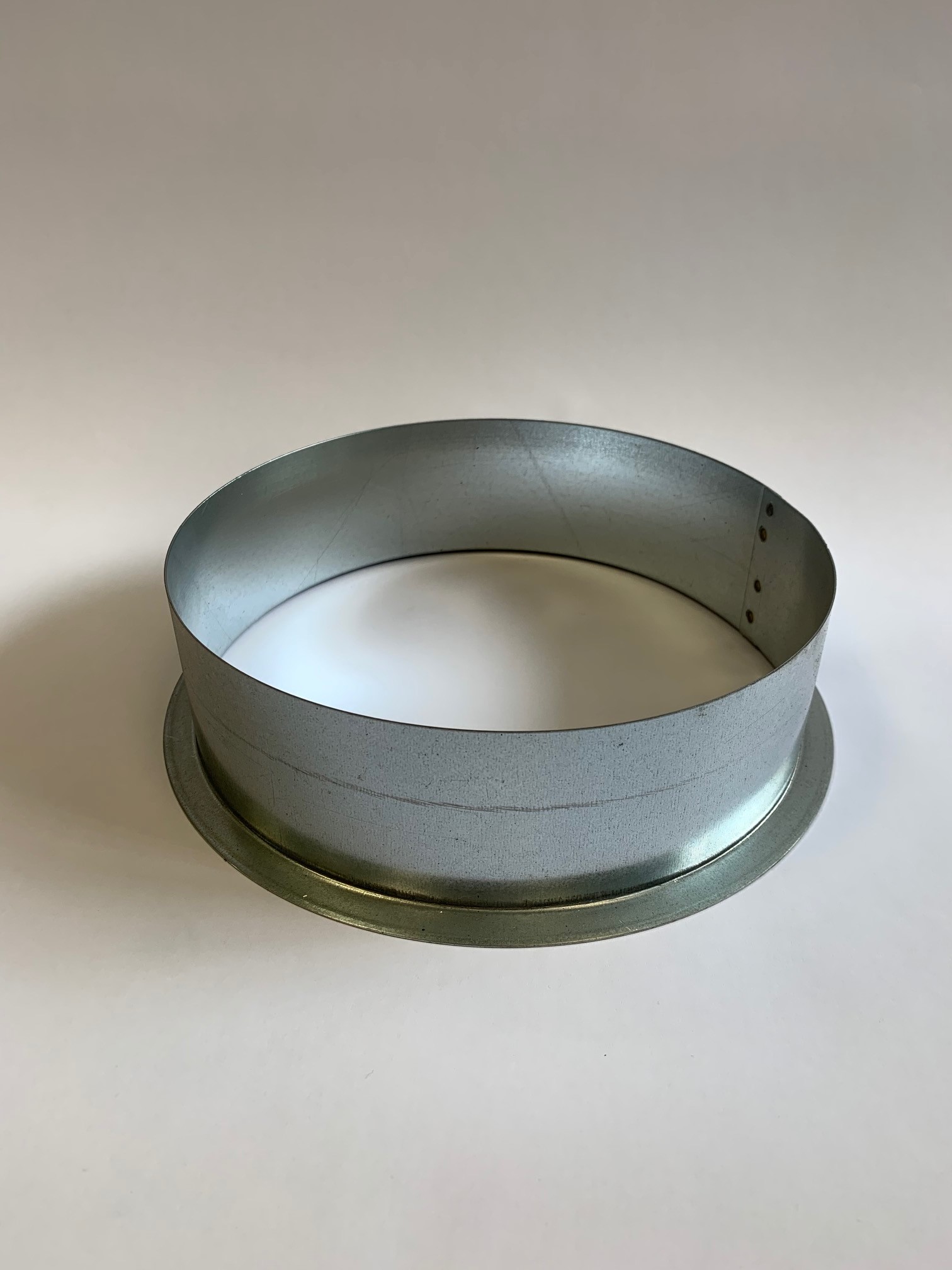
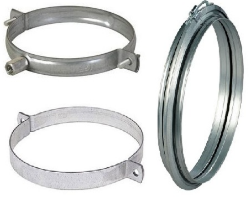
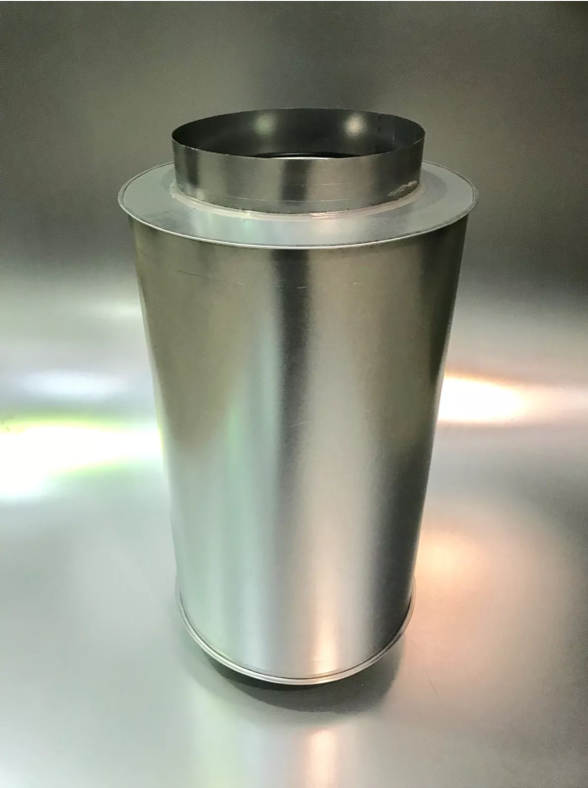
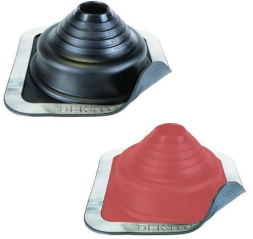
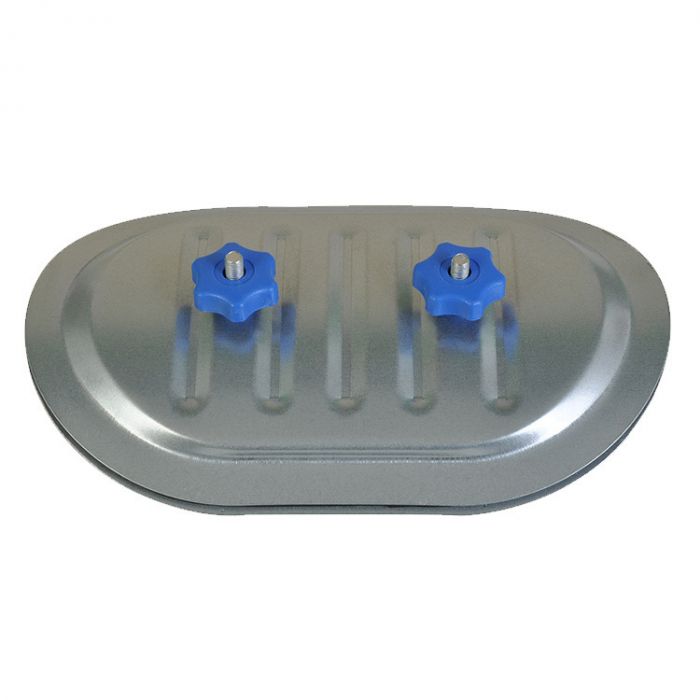
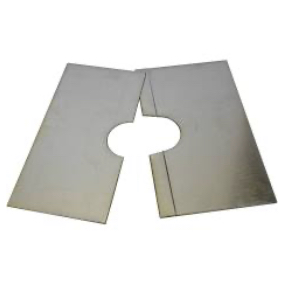
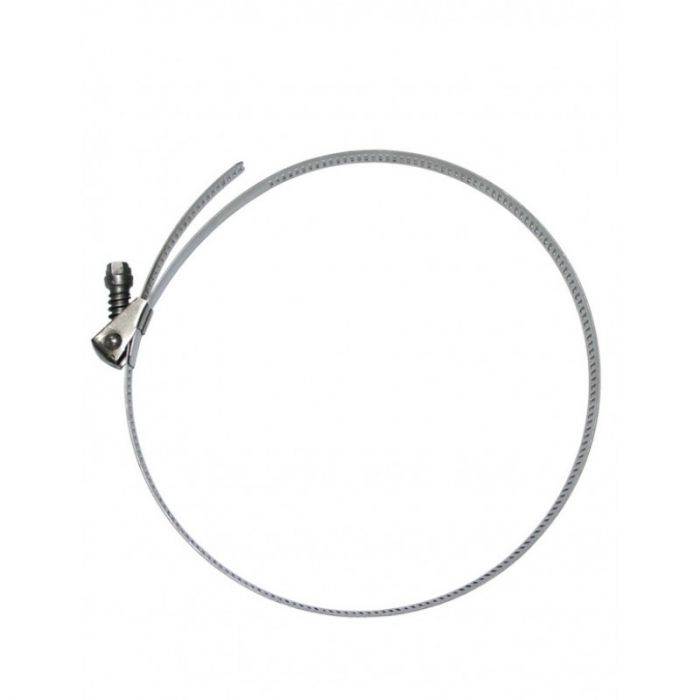
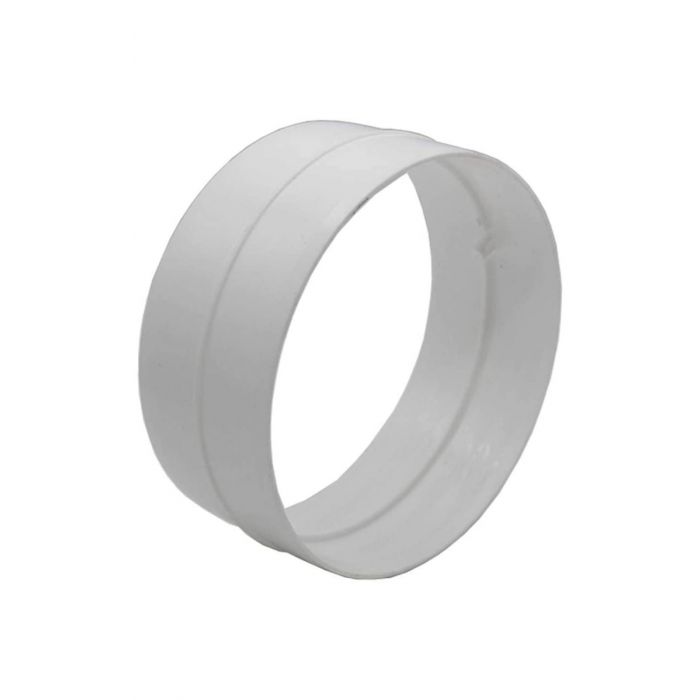
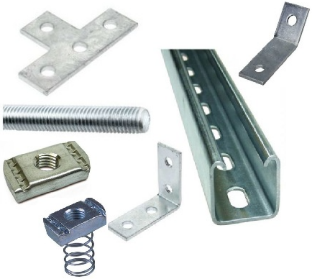
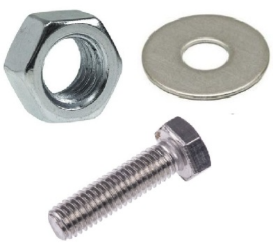
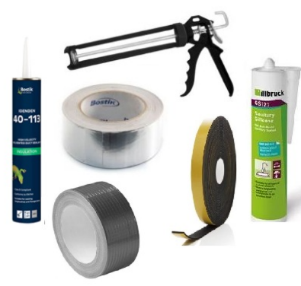
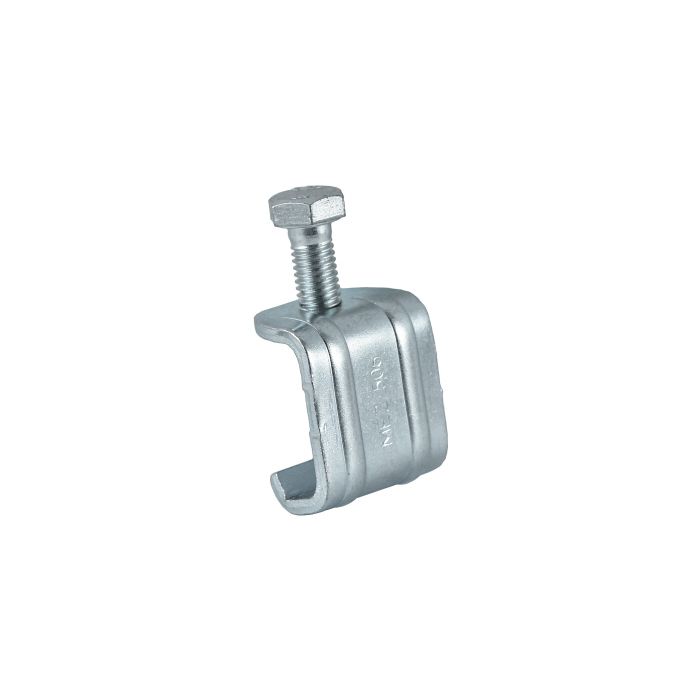
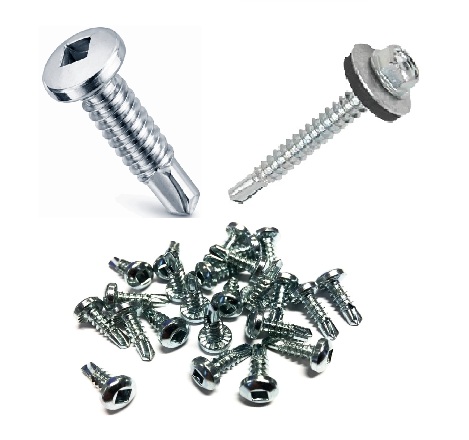
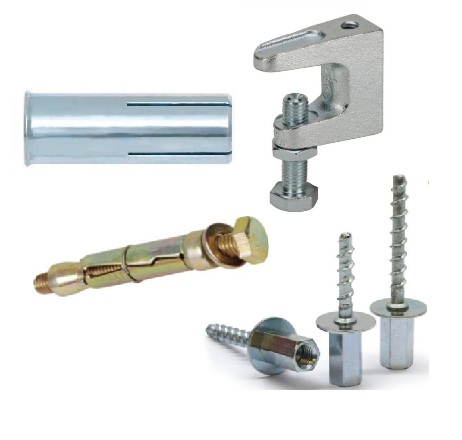
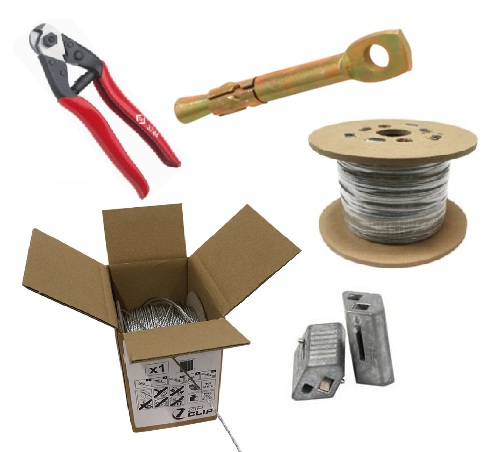
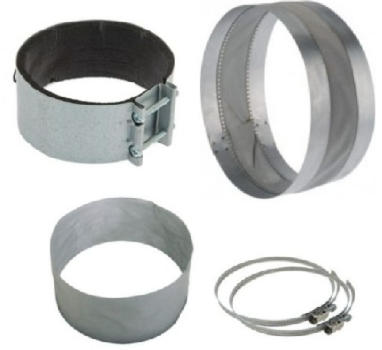
A complete ducting system includes more than just straight lengths. They also need other components and accessories to make sure the installation is secure and works effectively. Common components include bends, elbows, reducers, dampers, connectors and mounting accessories.
Each component plays a role in controlling airflow direction, balancing pressure and ensuring a secure, airtight installation. Using compatible, high-quality components helps maintain system efficiency and reliability over time.
Ducting Installation and Maintenance

Whether you are looking to install a brand new ducting system or upgrading an old system, correct installation and appropriate maintenance is vitally important. Poorly sealed joints, unsupported runs or excessive bends can all reduce airflow efficiency and increase system strain.
Regular inspection and maintenance help identify leaks, blockages or wear before they impact performance. In extraction systems, periodic cleaning is also important to maintain air quality and system safety.
Ducting Solutions with AMS Ducting Supplies
At AMS Ducting Supplies, we provide a comprehensive range of ducting systems, components and accessories to support commercial and industrial ventilation projects of all sizes.
With expert knowledge and a wide product range, we support businesses across the UK with high-quality, reliable ducting solutions tailored to their specific requirements. Whether you need rigid or flexible ducting, specialist components or technical guidance, our team is on hand to support your project from specification through to supply.

