








Spiral Ducting vs Rectangular Ducting: Which Is Better?
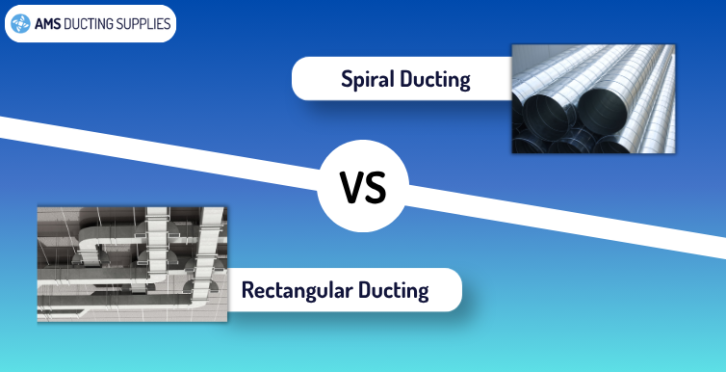
Spiral Ducting vs Rectangular Ducting: Comparison Guide
When designing a ventilation or extraction system, one of the most important decisions is the type of ducting to use. Two of the most common options are spiral ducting and rectangular ducting, each offering distinct advantages depending on the application.
Understanding the differences between these ducting types is essential for achieving efficient airflow, maximising available space and ensuring long-term system performance. Factors such as pressure loss, installation constraints, leakage rates and maintenance requirements all influence which system is best suited to a particular environment.
In this guide, we compare spiral and rectangular ducting to help you determine which is best suited to your project.
What Is Spiral Ducting?
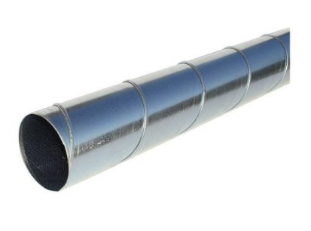
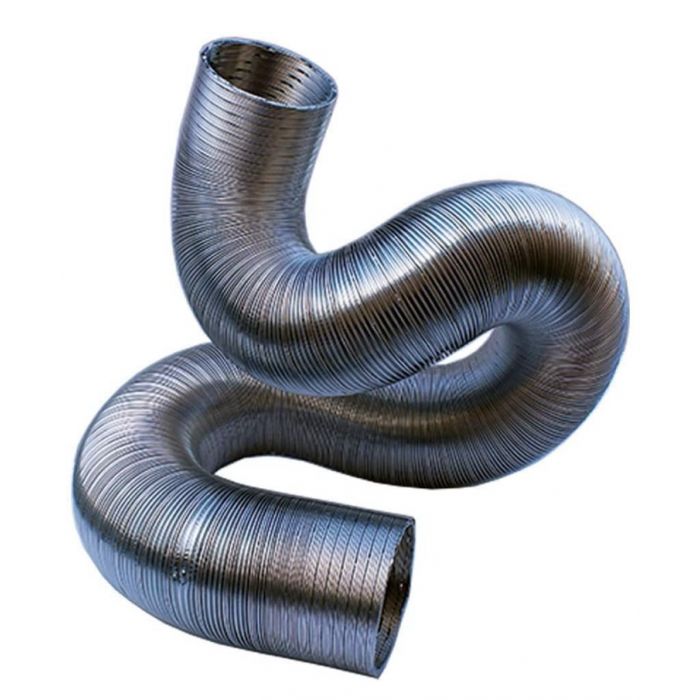
Spiral ducting is a form of circular, rigid ducting manufactured by winding metal into a continuous spiral seam. This construction method creates a strong, airtight structure that supports efficient airflow.
Due to its circular shape, spiral ducting allows air to move more freely through the system, reducing resistance, minimising turbulence and lowering static pressure loss. Spiral systems also typically achieve lower air leakage rates compared to rectangular alternatives, helping maintain airflow efficiency across longer duct runs.
Spiral ducting is widely used in commercial HVAC systems, industrial ventilation and dust extraction applications, particularly where airflow performance, durability and visual appearance are important. It is also commonly specified for exposed ducting installations due to its clean, modern appearance.
What Is Rectangular Ducting?
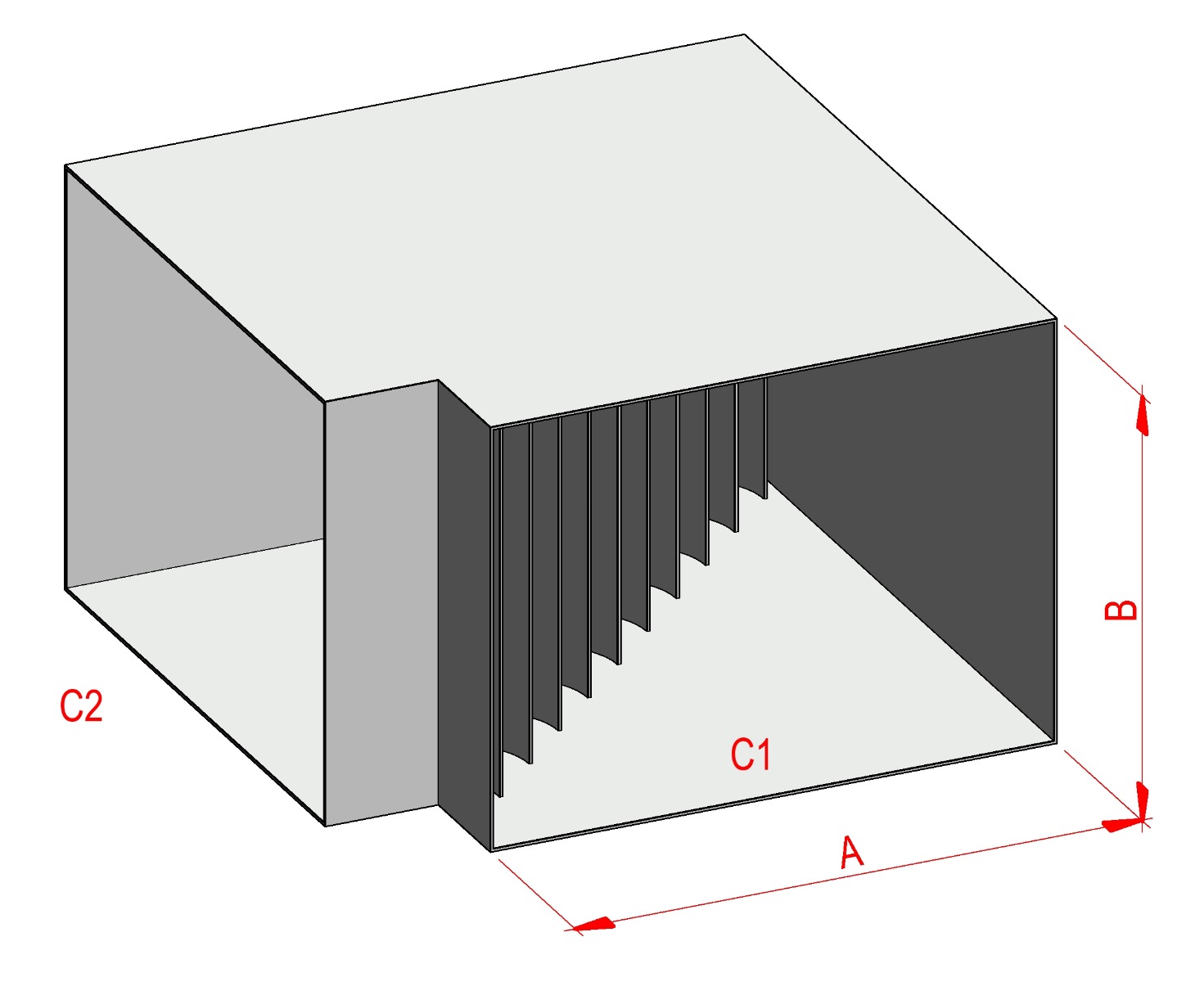
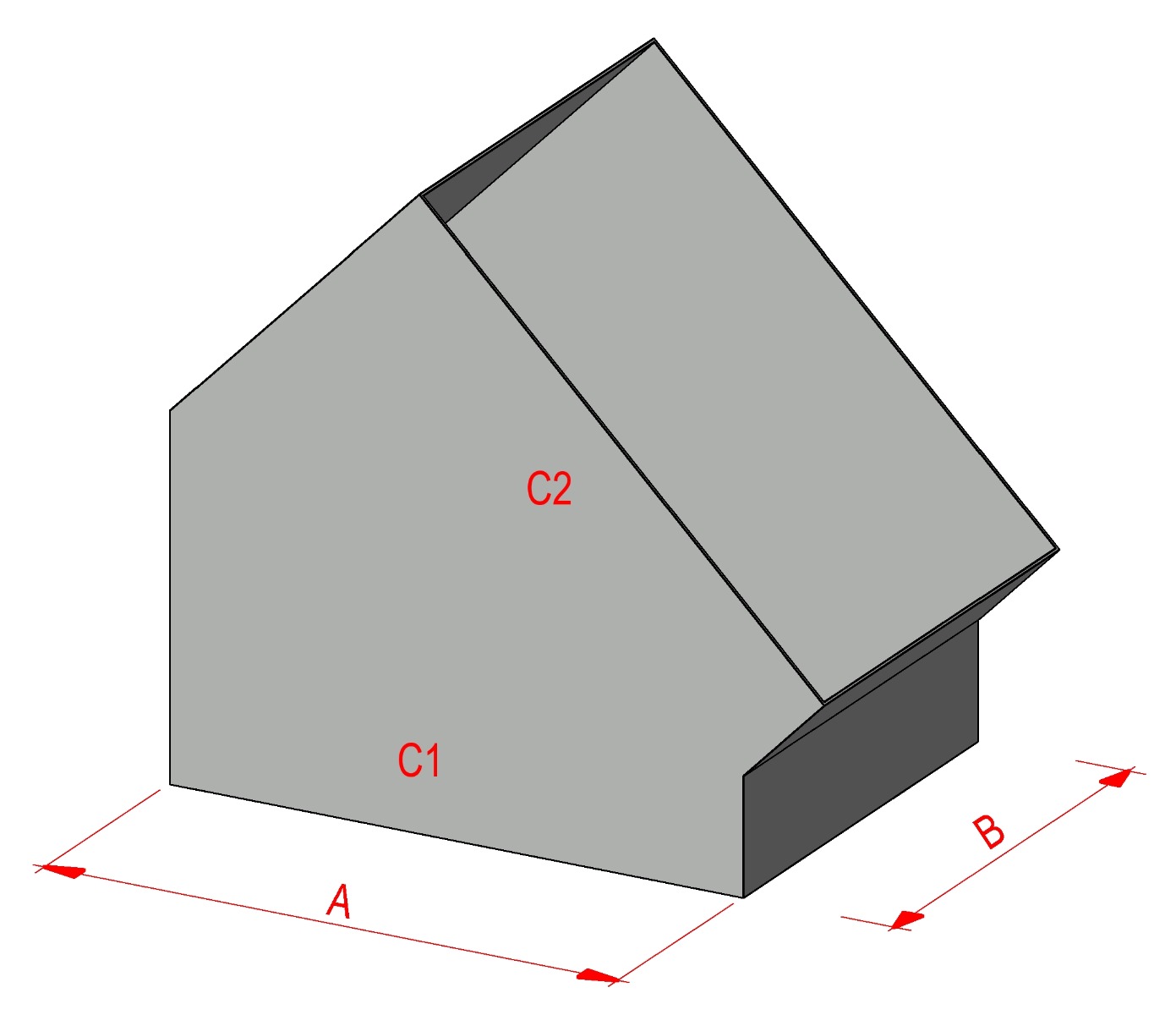
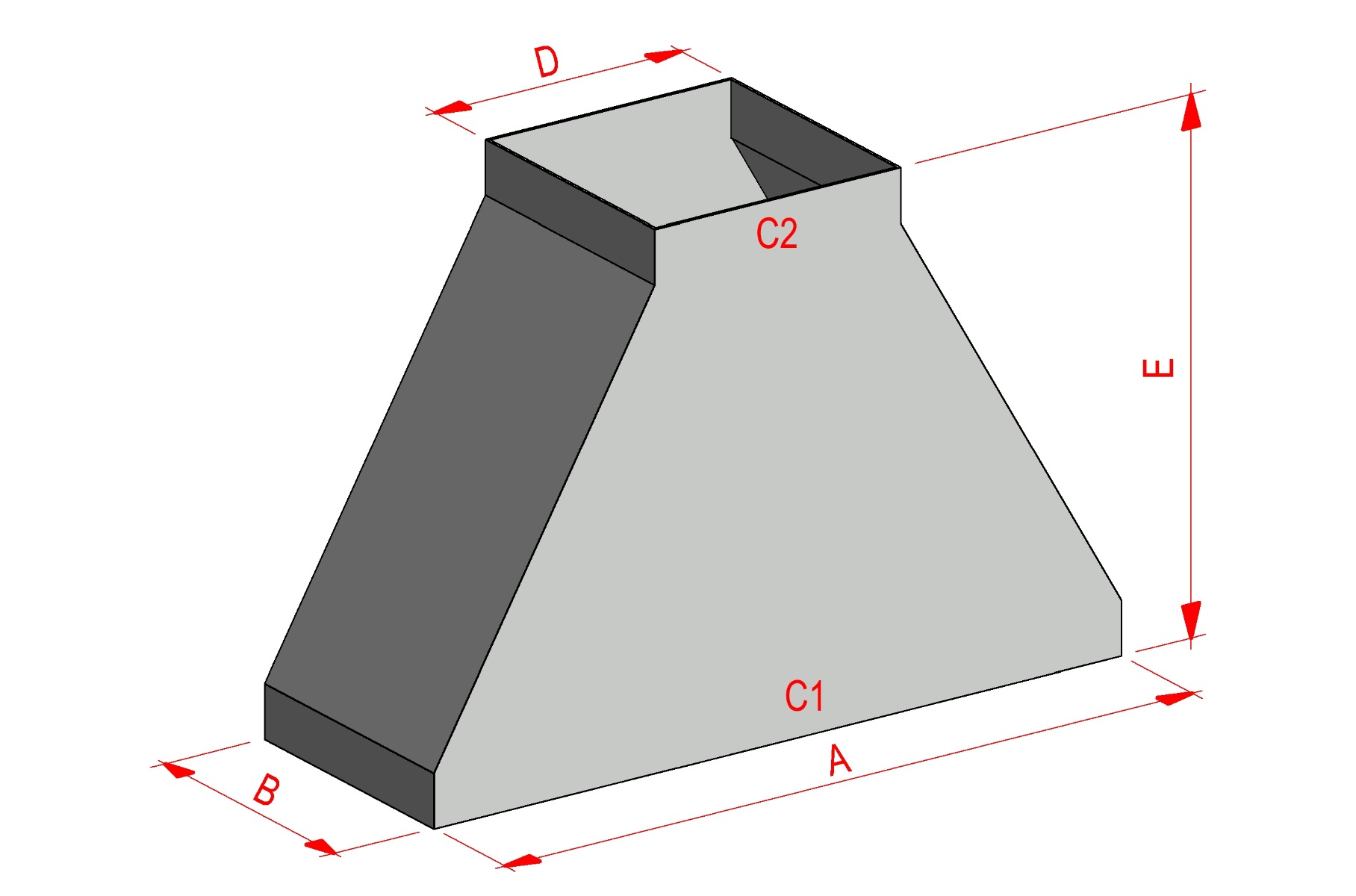
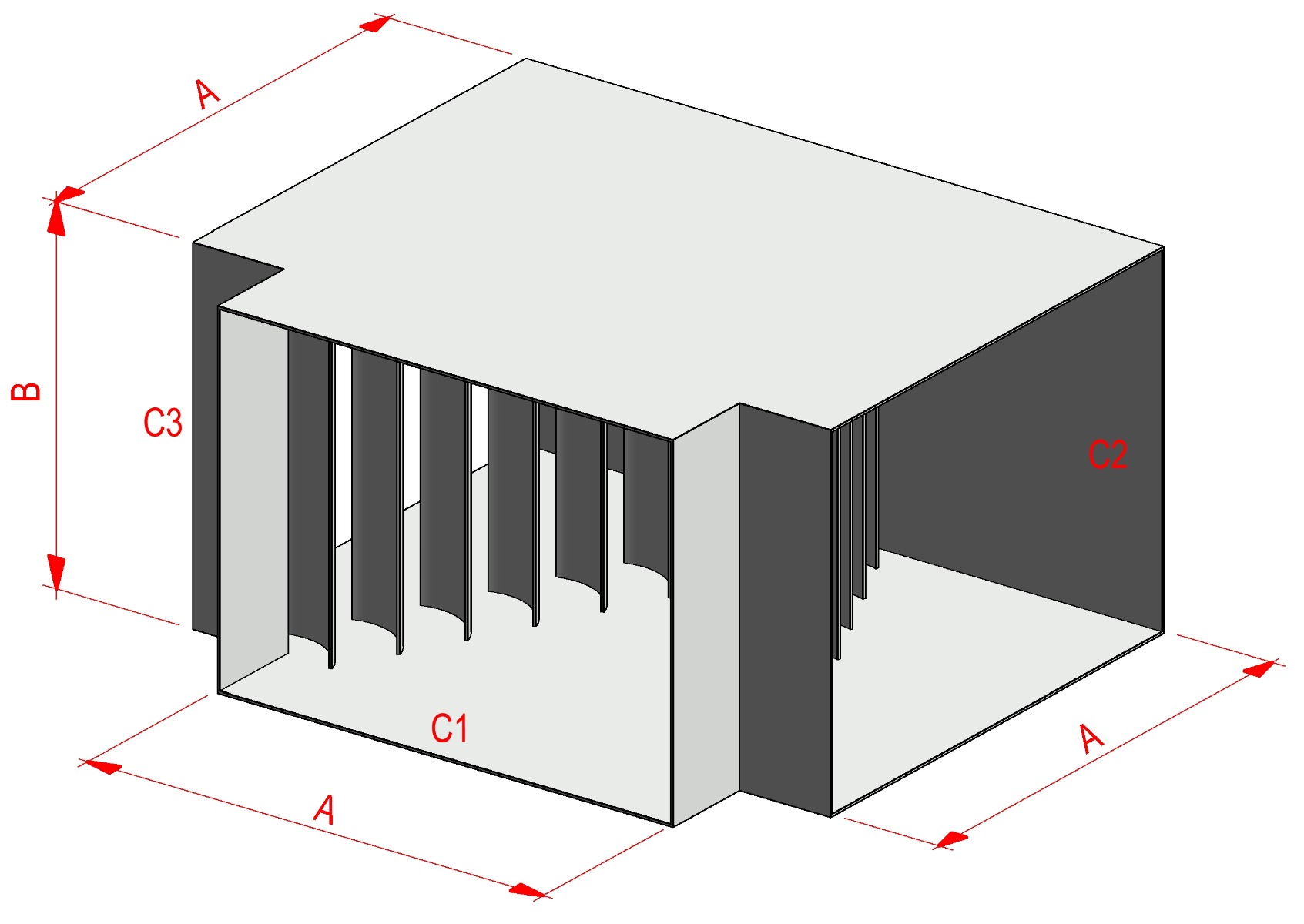
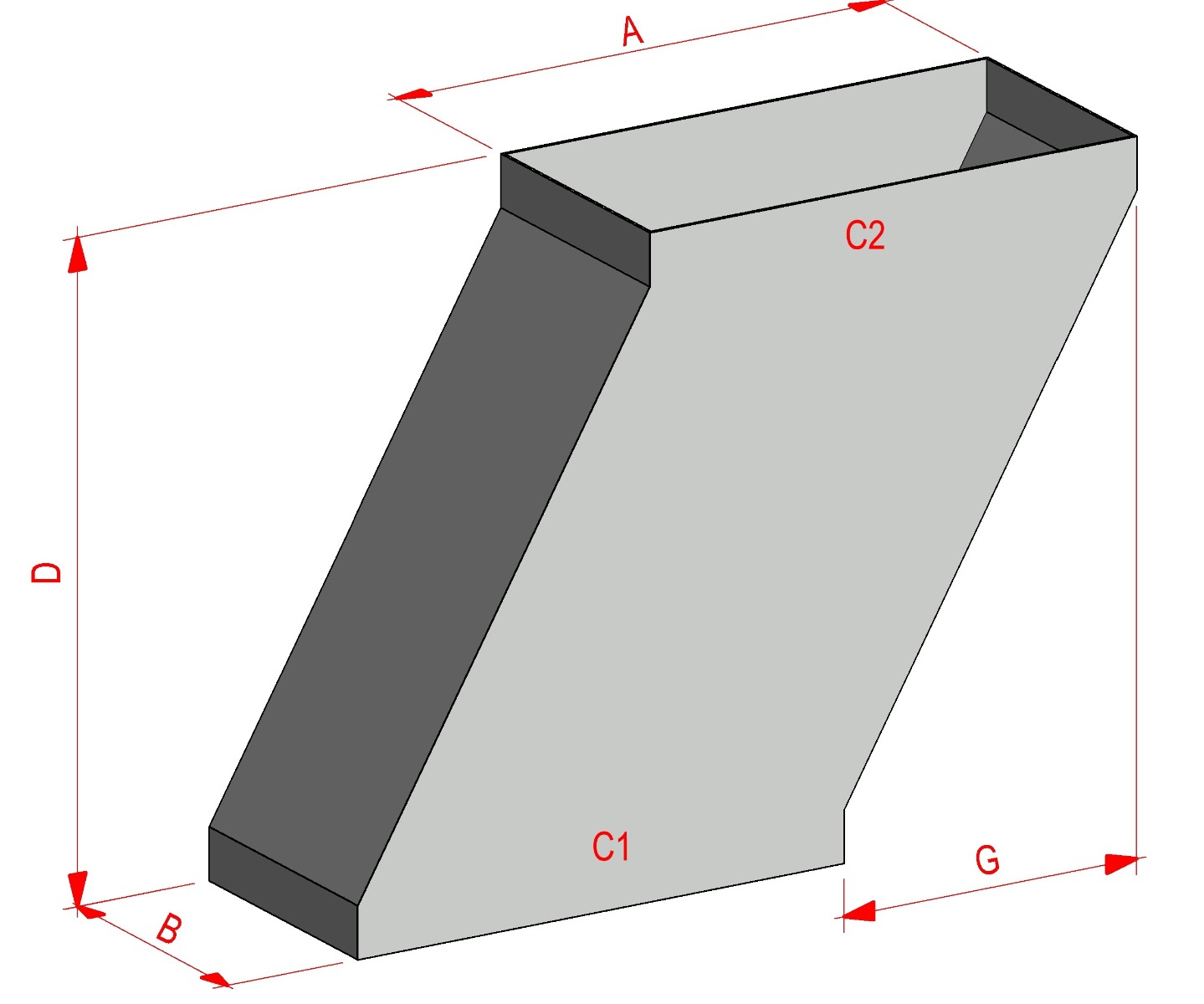
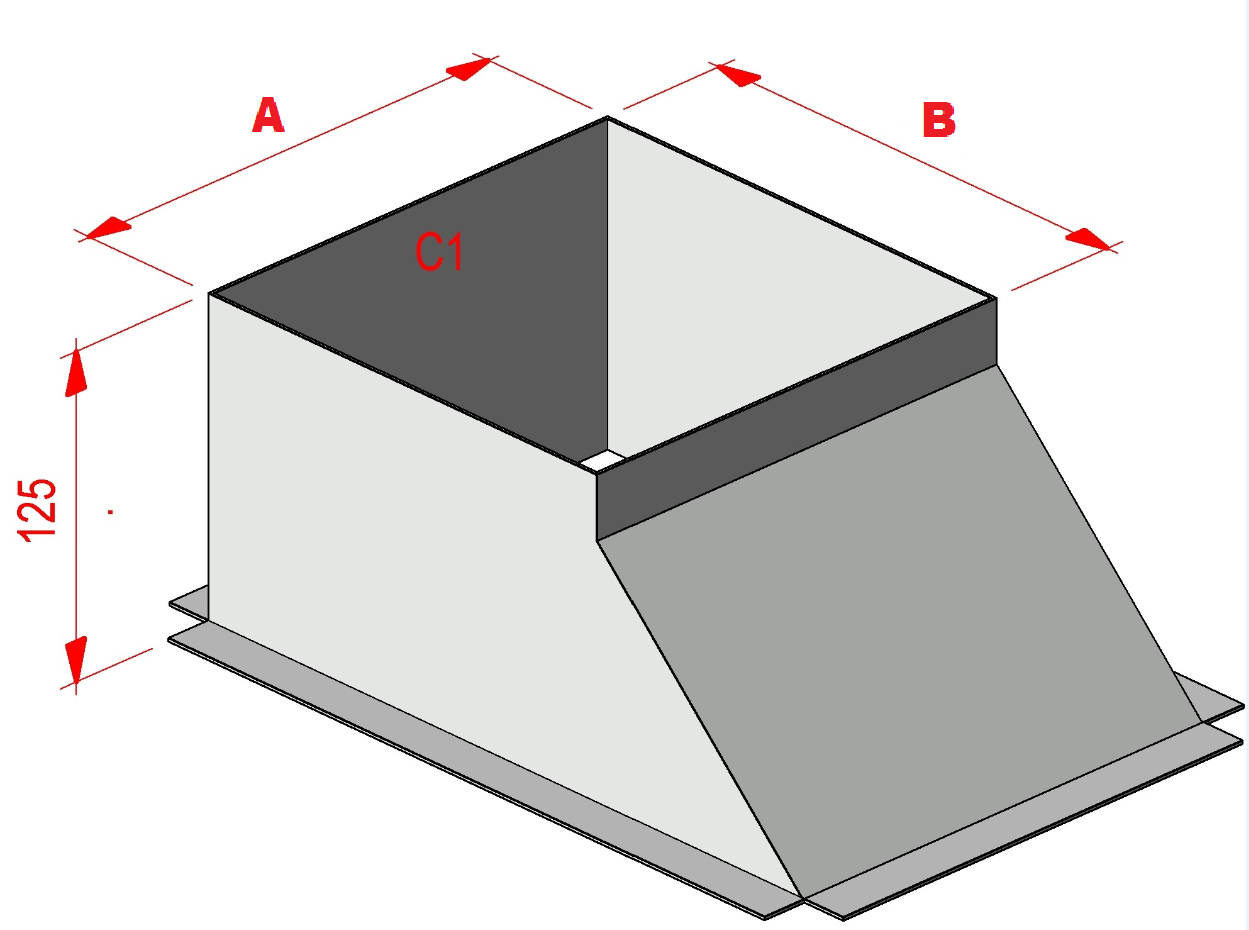
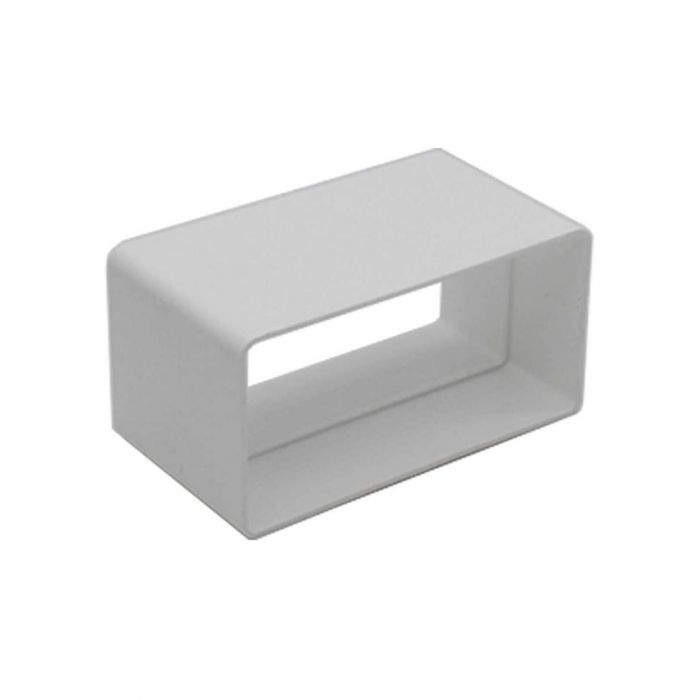
Rectangular ducting is designed with flat sides, allowing it to fit into tight or restricted spaces such as ceiling voids, walls and service corridors. It is commonly used in buildings where height limitations or structural constraints make circular ducting impractical.
Although rectangular ducting is highly versatile in terms of installation, its shape can create increased airflow resistance and turbulence due to its internal corners and flat surfaces. This means careful system design is required to maintain efficient airflow performance and reduce unnecessary pressure drops.
Rectangular systems are widely used in commercial buildings, retail fit-outs and concealed HVAC installations where available space is limited.
Spiral vs Rectangular Ducting: Key Differences
| Feature | Spiral Ducting | Rectangular Ducting |
| Shape | Circular/Cylindrical | Rectangular |
| Airflow Efficiency | High (low resistance, smooth airflow) | Moderate (more friction and turbulence) |
| Space Requirements | Requires more height | Ideal for tight or restricted spaces |
| Installation | Simpler in open areas | Better for concealed or compact installs |
| Strength | High structural integrity | May require reinforcement |
| Aesthetics | Clean, modern (good for exposed systems) | Typically concealed |
| Cost Efficiency | Lower long-term energy costs | May require more design input |
Airflow Efficiency and Performance Comparison
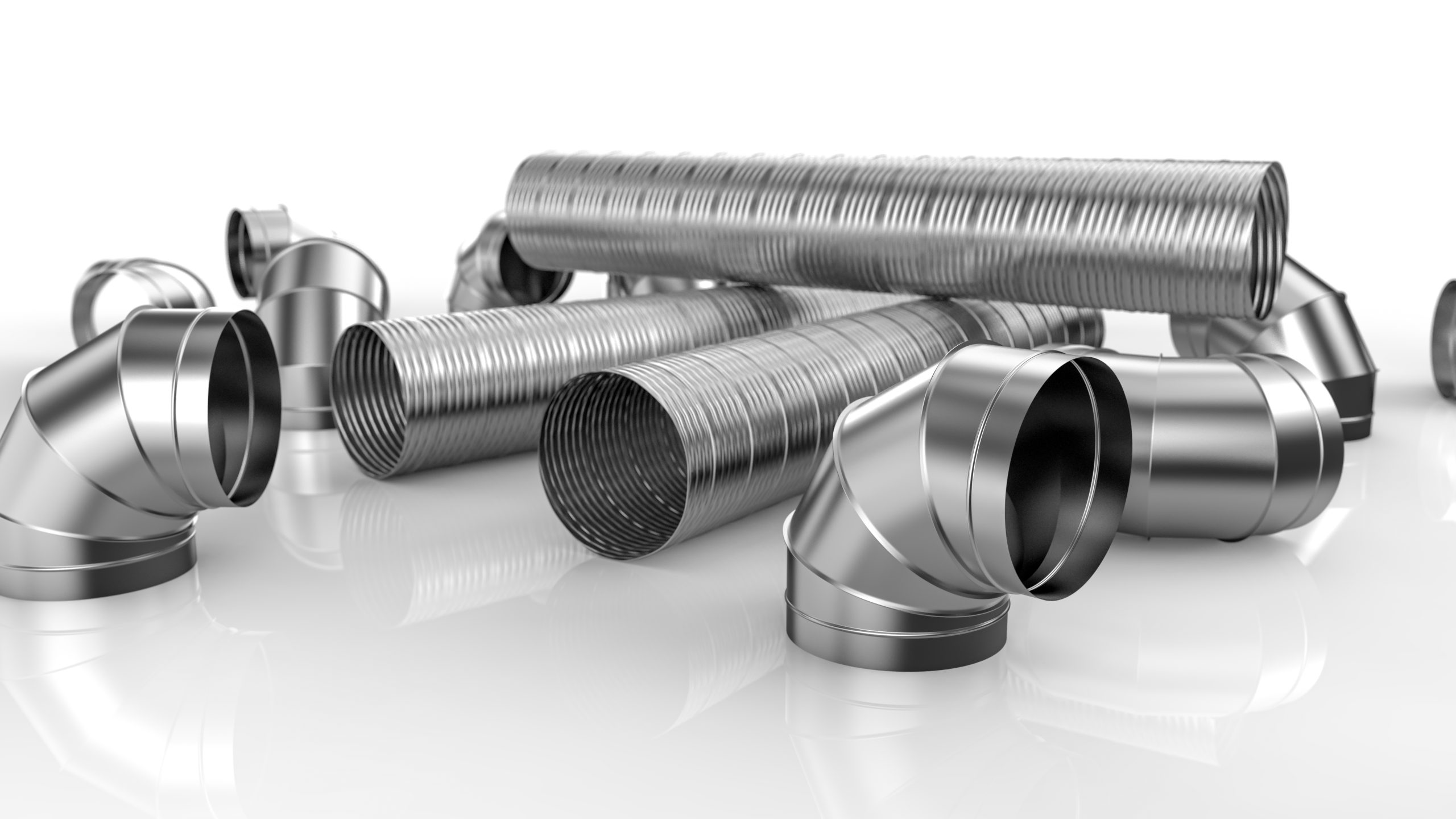
One of the biggest advantages of spiral ducting is its airflow efficiency. The circular design allows air to travel evenly through the system, reducing turbulence and maintaining consistent pressure. This can lead to lower energy consumption and improved overall system performance.
Rectangular ducting, while effective, introduces more resistance due to its flat surfaces and internal angles. This can impact airflow if not properly designed. For this reason, rectangular systems often require more detailed planning to achieve optimal results.
Space and Installation Considerations
Space constraints are often the deciding factor between these two ducting types.
Rectangular ducting is ideal for installations where ceiling height is limited or where ductwork must be concealed within walls or service voids. Its low-profile design makes it a practical choice for commercial buildings and offices.
Spiral ducting is better suited to open environments where space is less restricted. It is also commonly used in exposed installations, where its uniform appearance can enhance the overall look of the space.
It’s important to also consider that the installation methods can also vary significantly. Spiral ducting generally requires fewer supports due to its structural strength, while larger rectangular systems may require additional reinforcement to prevent flexing under pressure.

Strength, Durability and Maintenance
Spiral ducting offers excellent strength due to its spiral seam construction, allowing it to withstand higher pressures with minimal additional support. This makes it a durable and reliable option for long-term use.
Rectangular ducting can also be durable but may require reinforcement, particularly in larger systems.
In terms of maintenance, spiral ducting benefits from smoother internal surfaces, which can help maintain consistent airflow and reduce the build-up of contaminants over time.
Which Is Better Between Spiral and Rectangular Ducting?
There is no one-size-fits-all answer. The best choice depends on your project requirements.
- Choose spiral ducting for airflow efficiency, durability and exposed installations
- Choose rectangular ducting where space is limited or concealment is required
In many systems, a combination of both ducting types is used to balance performance and practicality.
For a rough guideline, we’ve put together a list of our recommendations for various applications:
| Application | Recommended Ducting Type |
| Commercial HVAC Systems | Spiral Ducting |
| Ceiling Void Installations | Rectangular Ducting |
| Dust Extraction Systems | Spiral Ducting |
| Retail & Office Fit-Outs | Rectangular Ducting |
| Industrial Ventilation | Spiral Ducting |
| Exposed Architectural Systems | Spiral Ducting |
| Concealed Ductwork | Rectangular Ducting |
| Kitchen Extraction Systems | Rectangular Ducting |
Choosing the Right Ducting for Your System
Selecting the right ducting system involves considering airflow demands, available space and environmental conditions. A well-designed system will ensure efficient air movement, reduced energy costs and long-term reliability.
At AMS Ducting Supplies, we provide a wide range of spiral and rectangular ducting supplies, along with the accessories needed to complete your system. Whether you know what you need or are looking for guidance, our team can help you find the most suitable option for your application. Get in touch today for more information.
FAQs
Is spiral ducting more efficient than rectangular ducting?
Yes, spiral ducting is generally more efficient due to its circular, cylindrical shape, which allows smoother airflow and reduces resistance. This can result in improved system performance and lower energy usage.
When should rectangular ducting be used?
Rectangular ducting is best used in environments where space is restricted, such as ceiling voids or wall cavities. It is ideal when a low-profile solution is required.
Can spiral and rectangular ducting be used together?
Yes, many ventilation systems use a combination of both. Spiral ducting may be used for main runs, while rectangular ducting is used in areas where space is limited. Having both spiral and rectangular allows for more efficient and functional systems.
Which ducting type is more durable?
Both spiral ducting and rectangular ducting offer durable ventilation solutions, with spiral ducting typically more durable due to its reinforced structure. Both types can provide long-lasting performance when properly installed and maintained.

